
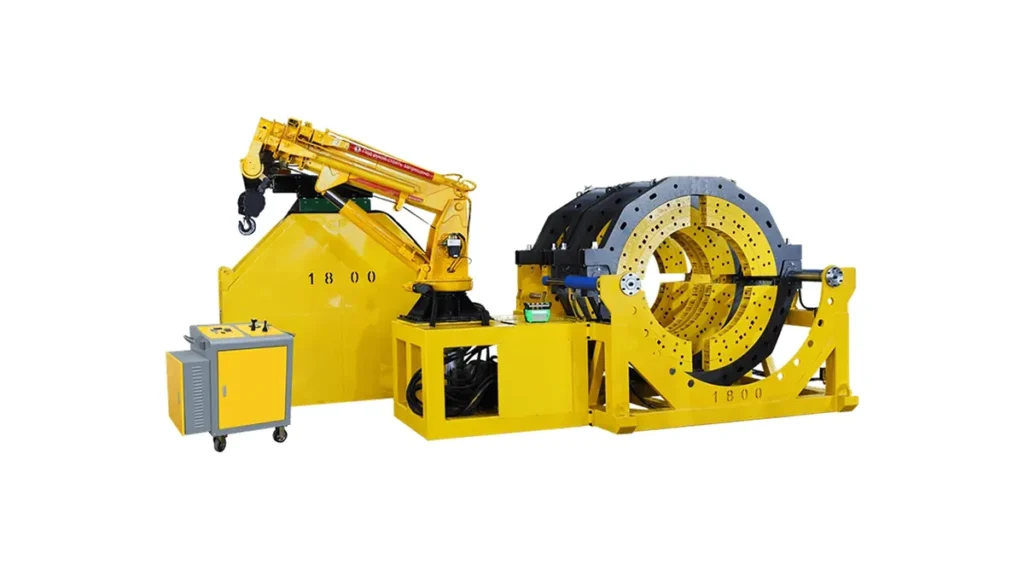
Modern pipeline projects require precise, reliable control to ensure long-term performance and operational efficiency. The Pipe Microcomputer Control Unit brings intelligent automation to HDPE and other thermoplastic pipeline welding and monitoring, enabling contractors and utility operators to achieve consistent weld quality, reduce rework, and optimize crew workflows.
What Is a Pipe Microcomputer Control Unit?
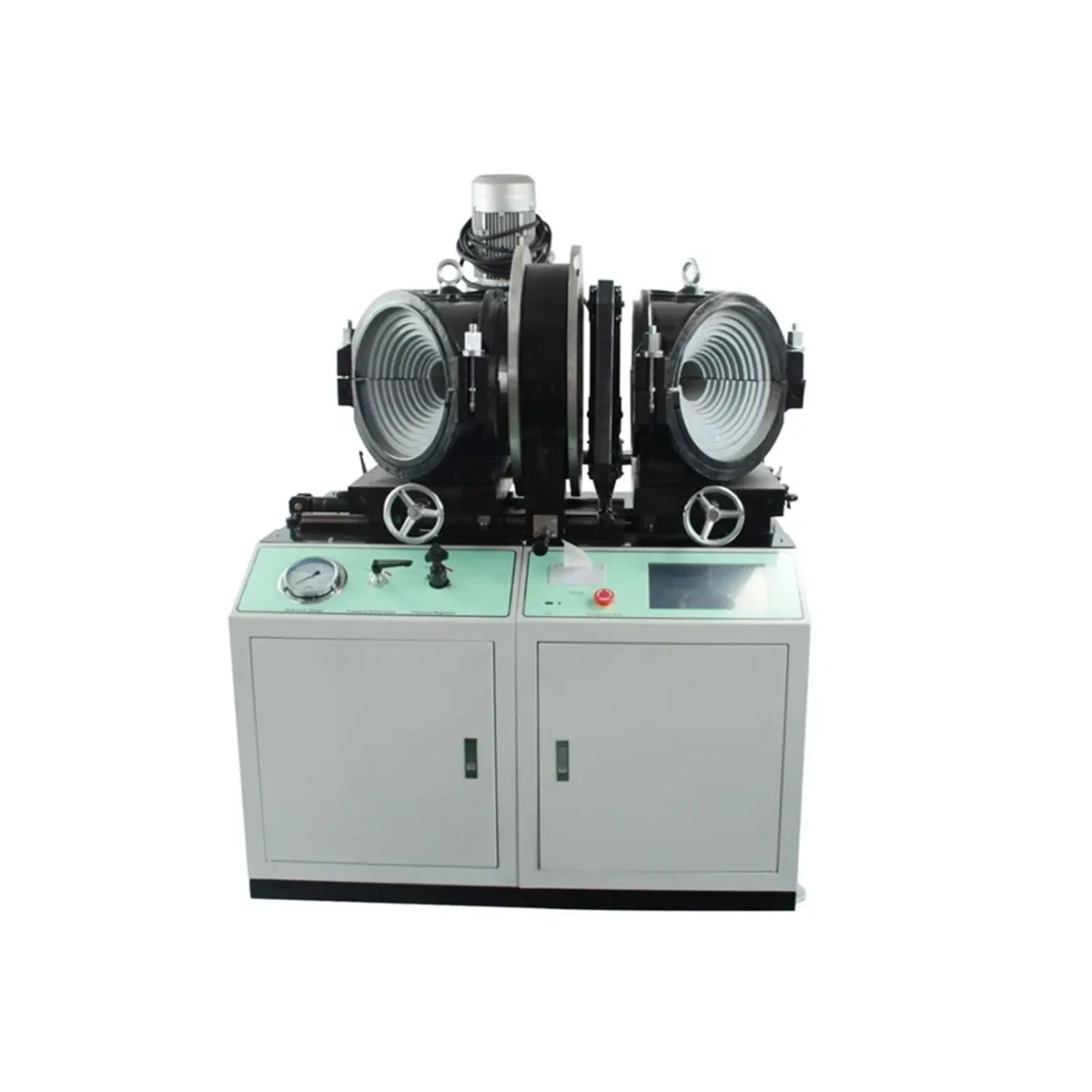
The Pipe Microcomputer Control Unit is an embedded control module designed for pipeline fusion equipment and site-control systems. It manages heating cycles, pressure and displacement monitoring, timing, and data logging. By combining digital sensors, microcontroller logic, and a user-friendly interface, it standardizes fusion processes across manual, hydraulic, and automatic machines.
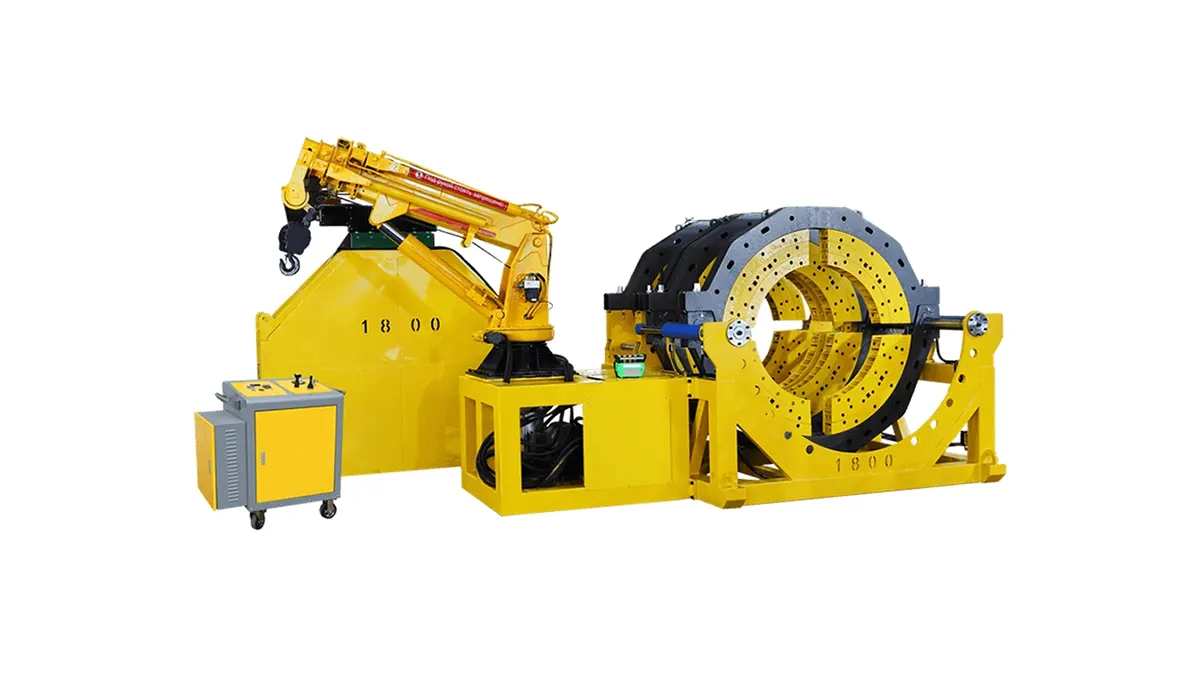
Key Components
Microcontroller core: Executes welding profiles and safety interlocks. Sensor inputs: Temperature, pressure, and displacement. Human-Machine Interface (HMI): Touch or keypad display for recipe selection. Data storage & connectivity: USB/SD logging, optional Bluetooth or Ethernet for remote monitoring.
Top Benefits for Pipeline Projects
Integrating a microcomputer control unit into fusion equipment delivers measurable advantages on site:
Operational Consistency
Automated control of heating and cooling cycles reduces human variability and delivers repeatable welds that meet industry specifications.
Increased Productivity
Pre-programmed weld recipes and automated timing shorten cycle times and free operators to handle parallel tasks, improving daily output.
Improved Quality Assurance
Real-time monitoring and built-in data logs make traceability simple. Operators can export welding reports for inspection and regulatory compliance.
Typical Applications
Microcomputer control units are used across sectors that rely on welded thermoplastic pipe systems, including municipal water networks, gas distribution, industrial process piping, and mining operations. The technology is equally valuable for small-scale repairs and large infrastructure installations where consistent weld quality is essential.
Data Table — Typical Control Unit Specifications
| Parameter | Typical Value | Benefit |
|---|---|---|
| Temperature control | ±1°C accuracy | Consistent heating for reliable fusions |
| Pressure monitoring | 0–10 MPa range | Detects leaks and improper fusion pressure |
| Displacement sensor | High-resolution linear feedback | Accurate butt spacing and squeeze control |
| Data logging | SD/USB, optional cloud | Traceability and report export |
| Connectivity | Bluetooth/Ethernet available | Remote supervision and firmware updates |
Installation & Field Integration
Microcomputer units are designed for retrofit or factory integration. Typical installation steps include mounting the unit on the fusion machine control panel, connecting temperature and pressure sensors, and configuring welding recipes through the HMI. On-site calibration and a short training session ensure operators can run standard procedures immediately.
Maintenance Tips
Keep sensors clean, verify calibration yearly (or per manufacturer guidance), and use the unit’s diagnostic logs to catch developing issues early. Firmware updates delivered via USB or network keep the control logic aligned with the latest welding standards.
How to Choose the Right Unit
When selecting a microcomputer control unit, consider compatibility with your fusion machines, the level of automation you need, and reporting requirements. For contractors managing multiple crews or large-diameter projects, prioritize units with robust data logging and network connectivity.
One Reliable Source
For dependable fusion equipment and control solutions, JQ-Fusion offers a range of welding machines and integration-ready control options designed for contractors and utilities worldwide.
Get Started
Adopting a Pipe Microcomputer Control Unit can significantly reduce weld variability, improve documentation, and accelerate project timelines. Review compatibility with your current fusion fleet and request a profile demonstration to evaluate benefits on a pilot jobsite.



