
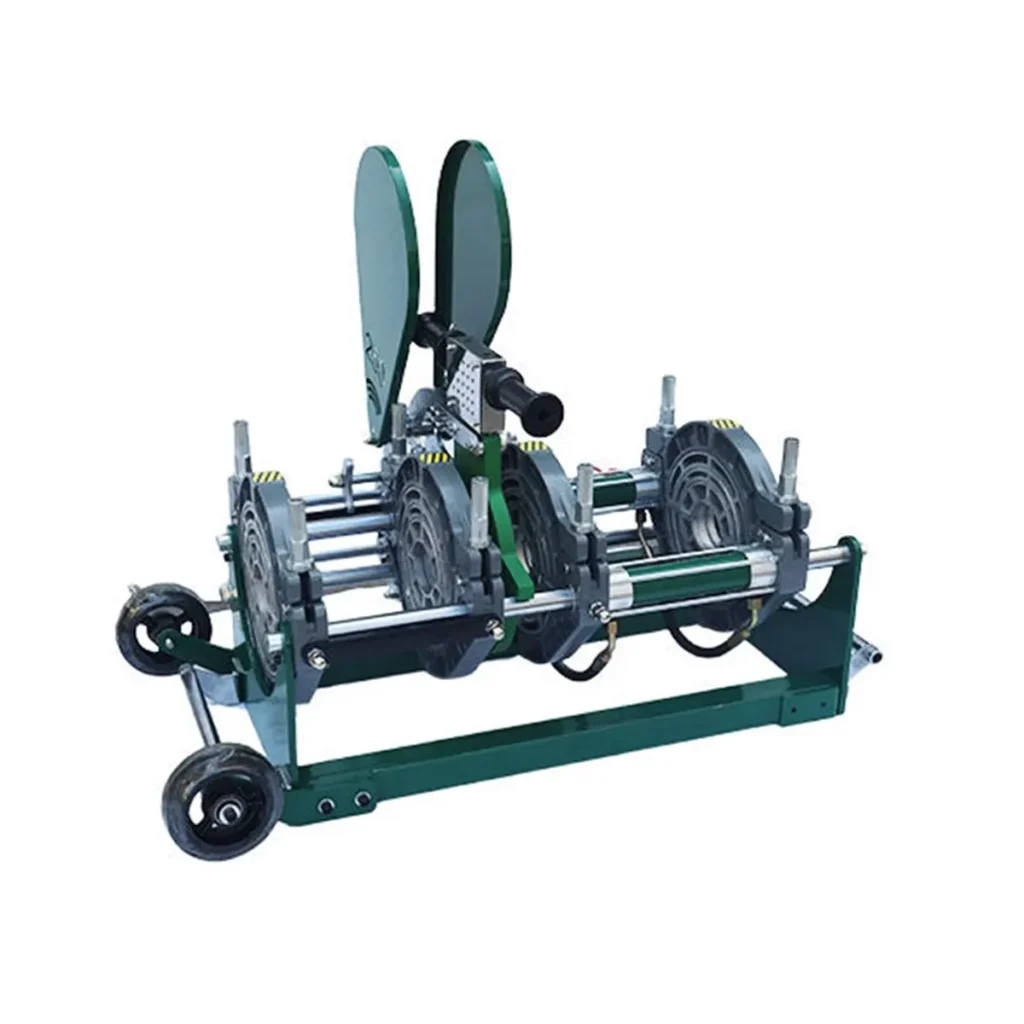
Choosing the best pipe welding machine manufacturer for projects in Peru means balancing machine performance, after-sales support, and adaptability to local conditions — from coastal cities like Lima to high-altitude mining sites in the Andes. For municipalities, contractors, and mining companies focused on reliable HDPE pipeline installations, the right manufacturer can make the difference between on-time handover and costly rework.
Why Peruvian Infrastructure Needs Proven Pipe Welding Solutions
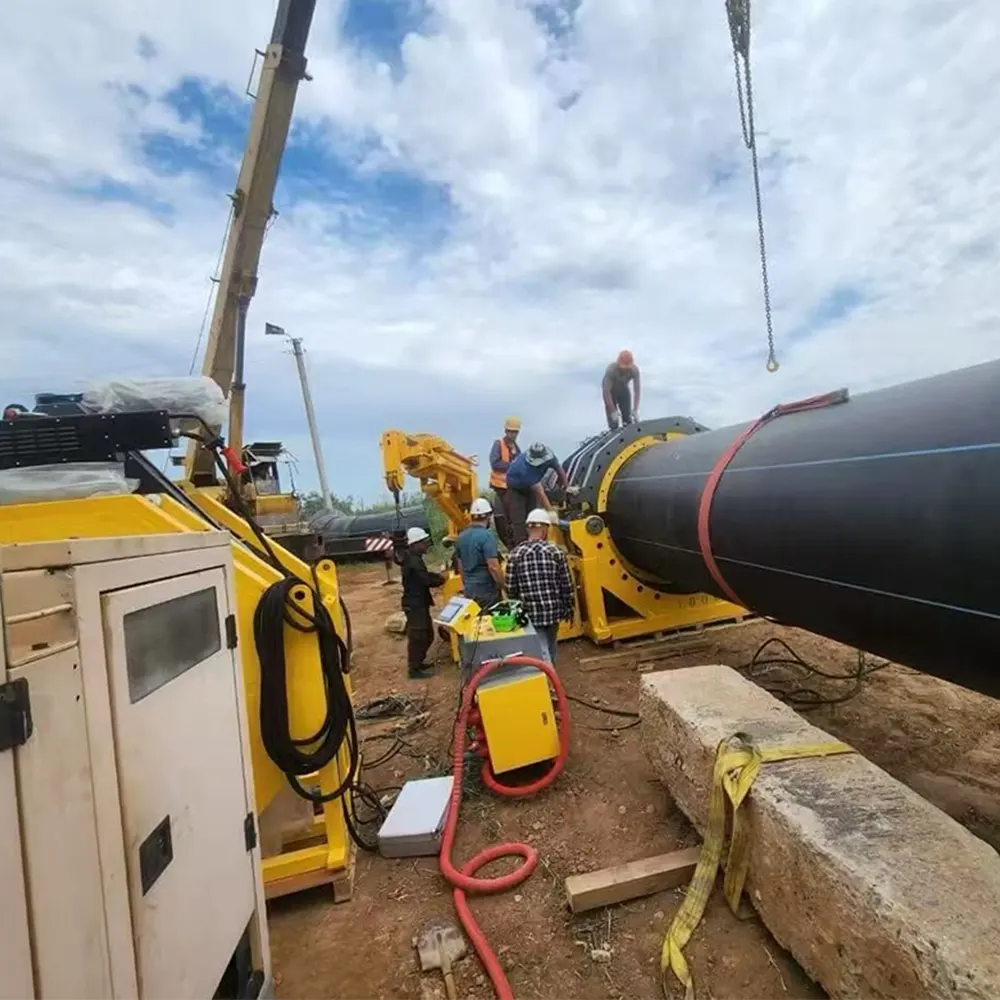
Water supply expansion, gas distribution, mining tailings management, and agricultural irrigation are major drivers of pipeline demand across Peru. Harsh environments (UV exposure on the coast, cold and dust at elevation) and logistical challenges in remote areas require machines that are robust, mobile, and easy to maintain. Contractors also prioritize equipment that delivers consistent weld strength to meet local standards and long-term durability.
Key Criteria to Evaluate Manufacturers
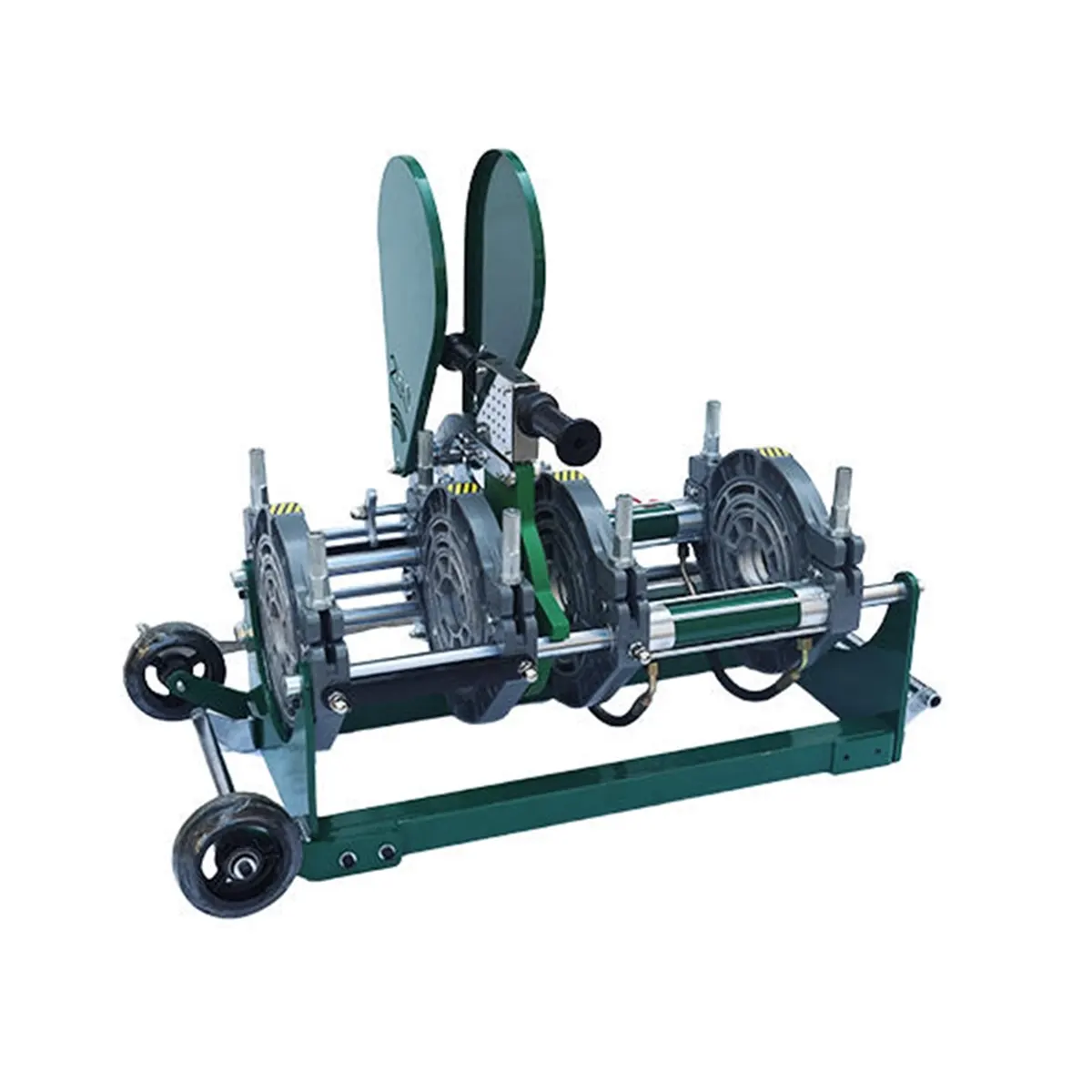
- Product Range: From manual to hydraulic and CNC automatic butt fusion machines to electrofusion systems — match the machine to project scale.
- Build Quality: Corrosion-resistant components, hardened clamps, and reliable hydraulic blocks are essential for field longevity.
- Local Support: Spanish-language documentation, timely spare parts delivery to Lima or regional hubs, and on-site training reduce downtime.
- Certifications & Traceability: Calibration records, weld reports, and compliance with ISO/ASTM standards ensure quality assurance for public tenders.
- Portability & Power Options: Battery-operated controls or diesel generators for off-grid mountain sites improve usability.
Top Machine Types for Peruvian Conditions
Most Peruvian projects benefit from a mix of solutions: compact manual units for small-diameter repairs, hydraulic machines for medium to large pipes used in municipal works, and CNC automatic units for high-volume factory-style welding where precision and documentation matter. JQ-Fusion specializes in HDPE pipe welding machines across these categories and offers models suitable for both remote fieldwork and centralized fabrication yards.
| Machine Type | Best For | Typical Pipe Range | Field Durability |
|---|---|---|---|
| Manual Butt Fusion | Small repairs, tight budgets | 20–160 mm | High (simple mechanics) |
| Hydraulic Butt Fusion | Large municipal & mining pipelines | 160–2000+ mm | Very high (robust frames) |
| CNC Automatic Butt Fusion | Production yards, quality traceability | 63–2000 mm | High (precision electronics) |
| Electrofusion Machines | Service connections & fittings | 20–630 mm (fittings) | Moderate (sensitive electronics) |
Local Support & Training — What Peruvian Buyers Should Ask For
Peruvian buyers should confirm lead times to major ports (Callao, Matarani), availability of Spanish manuals, and whether the supplier offers on-site commissioning and operator training for highland and coastal conditions. For mining operations in regions like Cusco and Puno, ask about vibration-resistant fixtures and cold-start capabilities for early-morning shifts.
Quick Buying Checklist
- Warranty & Spare Parts: Confirm parts list and local distributors or export logistics to Peru.
- Factory Test Reports: Request melt pressure logs and calibration certificates.
- Training Package: On-site or virtual operator training in Spanish.
- Power Flexibility: Options for generator or battery-powered control units for remote sites.
Final Recommendation
For Peruvian projects, prioritize manufacturers that combine a wide product range with proven field durability, Spanish-language support, and clear documentation. Evaluate machine samples, request weld test data, and verify spare parts logistics to regional hubs — these steps will help ensure long-term pipeline integrity across Peru’s diverse environments.



