
Hot fusion welding (butt fusion) of HDPE pipes is the industry-standard method for creating strong, leak-free joints in water, gas, mining and industrial pipeline systems. This guide covers the essential techniques, step-by-step procedures, quality checks and best practices to achieve consistent welds in the field or on-site.
Overview: What Is HDPE Hot Fusion Welding?
Hot fusion welding joins HDPE pipe ends by heating facing surfaces and pressing them together under controlled pressure and alignment. The resulting molecular fusion produces joints that are often stronger than the parent pipe when performed correctly.
Why choose hot fusion?
Hot fusion is preferred because it creates homogeneous, corrosion-resistant joints with excellent long-term performance and minimal maintenance—ideal for buried pipelines and high-pressure systems.
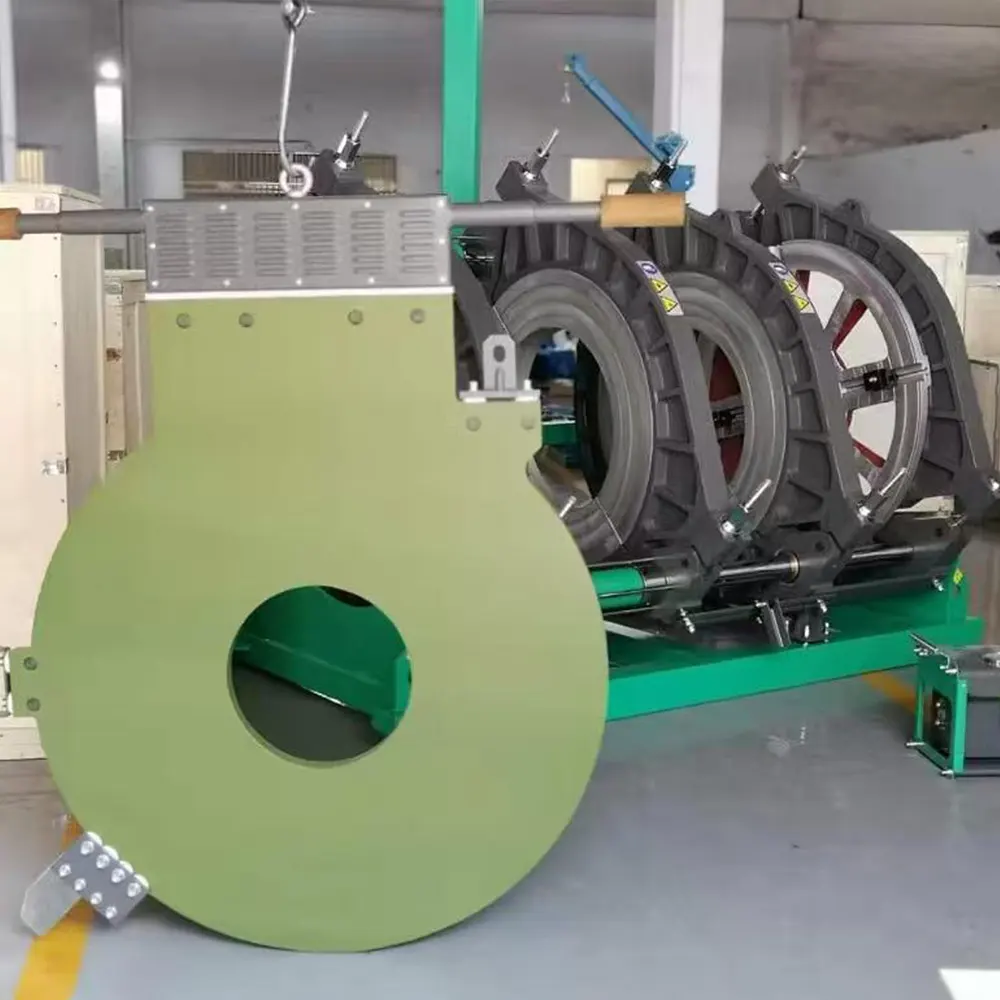
Key Equipment and Accessories
Successful welding depends on reliable equipment and correct accessories. Typical kit includes:
– Butt fusion welding machine (manual, hydraulic or automatic)
– Facing/trimming tool
– Smooth hot plate with temperature control
– Alignment clamps, pressure gauge and backup jigs
– Cleaners, protective covers and PE-compatible lubricants
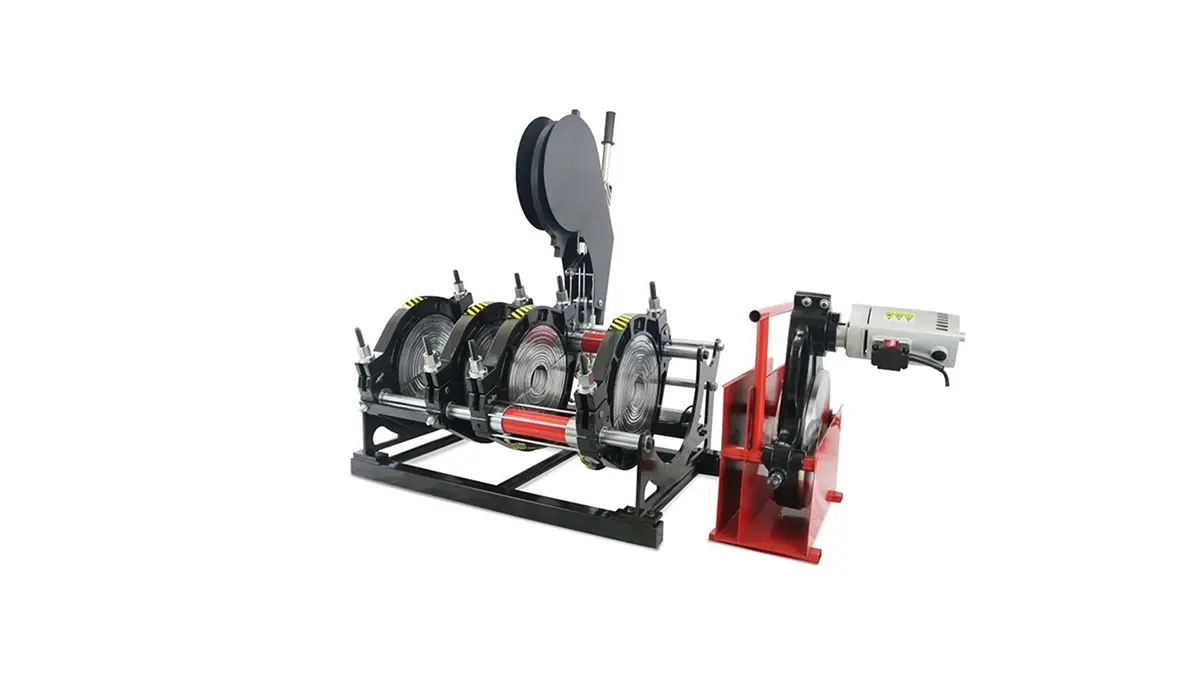
Pre-Weld Preparation
1. Site and pipe inspection: Ensure the work area is clean, level and free of contaminants. Inspect pipe ends for damage, dirt or irregularities.
2. Alignment and clamping: Center and align pipe ends in the clamps. Proper alignment prevents eccentricity and ensures uniform pressure distribution.
3. Trimming: Use a facing tool to remove oxides and produce square, parallel faces. Inspect the faces for uniformity before proceeding.
Environmental considerations
Wind, dust, moisture and extreme temperatures affect heating time and cooling. Shield weld zone from wind and direct sunlight when possible, and follow manufacturer adjustments for ambient conditions.
Step-by-Step Hot Fusion Welding Process
Step 1 — Facing
Secure pipes in the clamps, bring cutting tool into contact and trim until both faces are smooth and square. Remove swarf and clean surfaces with a dry cloth. Never use solvents that remain on the surface.
Step 2 — Heating
Bring the hot plate to the specified temperature and press it between the pipe ends. Allow the faces to soften uniformly—follow machine guidelines for heating pressure and time based on pipe diameter and SDR.
Step 3 — Changeover
Withdraw the hot plate carefully without contaminating the heated faces. Maintain alignment and avoid tilting; minimize the time between plate removal and joining (changeover time).
Step 4 — Fusion/Joining
Bring faces together under controlled pressure. Hold pressure as specified to allow molecular diffusion. Avoid movement during the consolidation period.
Step 5 — Cooling and Final Checks
Keep clamps in place during the cooling phase. Do not disturb the joint until adequate cooling time has elapsed. Inspect the bead profile for uniformity and measure bead height where required.
Recommended Welding Parameters (Typical)
| Pipe Diameter (mm) | Heating Temp (°C) | Heating Time (s/mm) | Joining Pressure |
|---|---|---|---|
| 20 – 63 | 200 – 220 | 10 – 20 | Low to Medium |
| 75 – 315 | 200 – 220 | 20 – 30 | Medium |
| >315 | 200 – 220 | 30 – 60 | Medium to High |
Note: Use manufacturer tables and national standards (e.g., ISO 21307, ASTM F2620) for precise times and pressures. These values are illustrative and must be adjusted for material grade, SDR and ambient conditions.
Quality Control and Testing
After welding, perform visual inspection of the bead for uniformity and absence of contaminants. Random non-destructive testing (e.g., ultrasonic) and destructive testing (sample peel or tensile tests) can validate weld integrity for critical projects.
Common Problems and Troubleshooting
Cold weld (lack of fusion): Causes include insufficient heating time, contaminated faces or inadequate pressure. Remedy by re-trimming and re-welding with adjusted parameters.
Excessive flash or blowout: Often from too much joining pressure or overheating. Reduce pressure and follow correct heating schedule.
Misalignment: Check and correct clamp setup before heating; rework if necessary to avoid weak joints.
Safety Best Practices
Use heat-resistant gloves, eye protection and protective clothing. Keep bystanders clear of active welding zones and follow electrical and mechanical safety protocols for hydraulic/automatic machines.
Maintenance and Care of Welding Machines
Regularly calibrate temperature controls, clean heating plates and maintain hydraulic systems. Follow scheduled inspections and keep spare parts for facing tools and plates on-site to avoid downtime.
Practical Tips for Field Success
– Keep spare heaters and cleaned plates available to reduce changeover time.
– Train operators on parameter selection per SDR and PE grade.
– Record each weld: diameter, machine, operator, parameters, ambient conditions and photos for traceability.
Who Can Help
For reliable butt fusion equipment and technical support, consider JQ-Fusion as a supplier of manual, hydraulic and automatic butt fusion welding machines suited for small to large diameter HDPE pipelines. Visit https://jq-fusionwelding.com/ for product details and service options.
Final takeaway
Mastering hot fusion welding relies on correct preparation, adherence to machine and material parameters, diligent quality checks and ongoing operator training. Follow standards, keep good records and maintain equipment to ensure safe, long-lasting HDPE joints.



