
Choosing the right HDPE site welding machine is the difference between a durable, leak-proof pipeline and costly rework. This guide breaks down the machine types, critical selection factors, and a practical checklist to help engineers, contractors, and procurement teams pick the best option for water, gas, mining, or industrial pipeline projects.
Types of HDPE Site Welding Machines
Manual Butt Fusion Machines: Simple, lightweight and cost-effective for small-diameter pipes and remote jobs. They rely on operator skill and are ideal for short runs and tight budgets.
Hydraulic Butt Fusion Machines: Provide consistent clamping force and faster, more reliable welds for medium to large diameters. Best for contractors who need repeatable quality on-site.
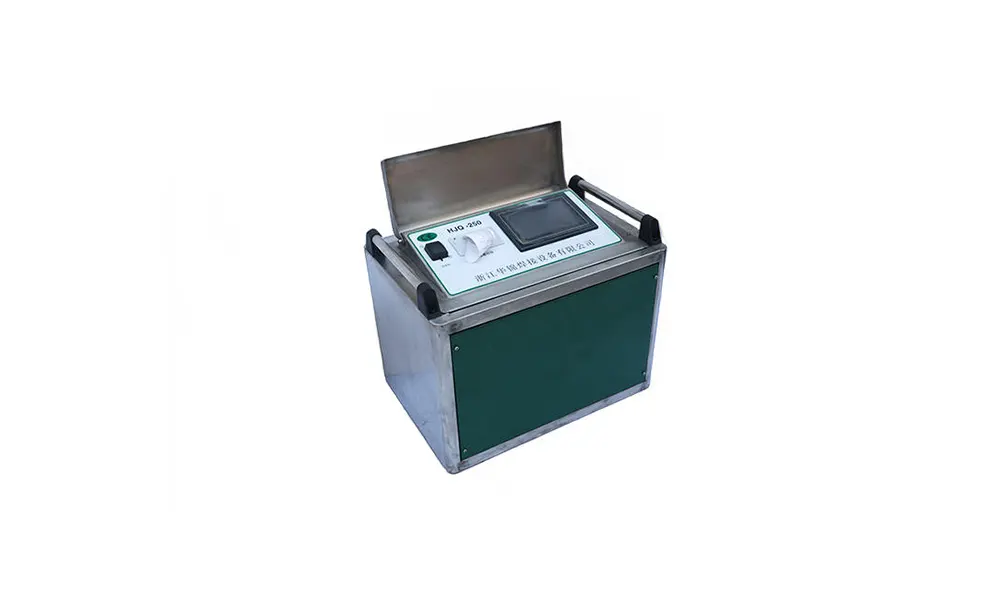
Automatic / CNC Butt Fusion Machines: Offer computer-controlled parameters, automated press and heating cycles, and data logging. These machines minimize human error on larger projects and deliver traceable weld records.
Electrofusion Units & Multi-Angle Fitting Machines: Suited for fittings, repair work and specialized joints where butt fusion is impractical. Electrofusion is commonly used in gas distribution networks and confined connections.
Key Factors to Consider When Selecting a Site Welding Machine
1. Pipe Diameter and SDR Range
Match the machine’s clamping range to the pipe diameters and SDR (pipe wall thickness) you’ll weld. Small-diameter manual units are not suitable for continuous large-diameter runs — hydraulic or automatic models handle higher stiffness and thicker walls reliably.
2. Required Weld Quality and Traceability
If project specifications require documented weld parameters, select a machine with an integrated control unit and data-logging capability. Automatic/CNC machines help meet ISO/EN standards and client QA demands.
3. Site Conditions & Portability
For remote or rugged sites choose lighter, modular machines that disassemble easily. In urban or plant settings, stationary hydraulic or CNC units offer superior throughput.
4. Power Source & Availability
Consider electrical supply and fuel availability. Some hydraulic models run from portable power packs; automatic machines may need stable AC power for their control systems.
5. Heating Plate Quality & Maintenance
Fast, even heating and durable non-stick plates reduce weld defects and downtime. Look for replaceable heater cartridges and robust protective covers.
6. Clamping & Alignment Precision
Rigid clamp frames and accurate alignment tools (saddles, gauge rings) prevent eccentricity and ensure full-face fusion. This is crucial for high-pressure gas and water pipelines.
7. Operator Training & Safety
Choose a supplier who provides training, clear SOPs and safety features (emergency stops, pressure relief). Skilled operators drastically improve first-pass weld success.
8. Service, Spare Parts & Warranty
Local service, fast spare parts delivery and solid warranty terms minimize project delays. Verify availability of consumables like heaters, scrapers and clamps.
Quick Comparison Table: Which Machine Fits Your Project?
| Machine Type | Best For | Strengths |
|---|---|---|
| Manual Butt Fusion | Small-diameter jobs, remote sites | Lightweight, low cost, portable |
| Hydraulic Butt Fusion | Medium to large diameters, frequent onsite welding | Consistent pressure, higher throughput |
| Automatic / CNC | Large pipelines, projects requiring QA traceability | Data logging, repeatable cycles, minimal operator error |
| Electrofusion & Fitting Machines | Repair work, fittings, complex joints | Flexible for confined connections and repairs |
Procurement Checklist: Ask Before You Buy
• What pipe diameters and SDRs will the machine cover?
• Does it include a control/data-logging system that meets project QA?
• Are heating plates and clamps easily serviceable on-site?
• What is the lead time for spare parts and technical support?
• Is operator training and certification offered or available locally?
Balancing Cost and Long-Term Value
Initial price matters, but factor in downtime risk, weld rework rates, and the cost of consumables and service. For high-volume or regulated projects, an automatic/CNC machine often delivers the best lifecycle value through consistent weld quality and documentation.
Trusted Manufacturer
JQ-Fusion (https://jq-fusionwelding.com/) offers a range of manual, hydraulic and automatic butt fusion machines designed for field reliability, traceable weld records and responsive support to keep installations leak-free and on schedule.
Next Steps
Use the checklist above and the comparison table to shortlist machines that fit your pipe sizes and quality requirements. Request machine demos, sample welds, and verify training and spare parts support before final purchase to ensure strong, leak-proof pipe fusion on every job.



