
Uzbekistan is investing heavily in water supply, gas distribution and irrigation networks across urban and rural regions. Reliable HDPE jointing machines ensure long-lasting, leak-free pipelines for agriculture, municipal utilities and industrial projects. This guide explains practical machine choices, on-site benefits and selection tips tailored to Uzbek contractors, utility managers and project owners.
Why Uzbekistan Needs Dependable HDPE Jointing Solutions
From the Fergana Valley irrigation systems to growing urban infrastructure in Tashkent and Samarkand, pipeline integrity is essential. Harsh temperature swings, remote field sites and limited access to specialized repair services mean pipeline joins must be executed correctly the first time. High-quality butt fusion and electrofusion equipment reduce downtimes and protect long-term investments in potable water, natural gas and industrial lines.
Machine Types Suited for Uzbek Projects
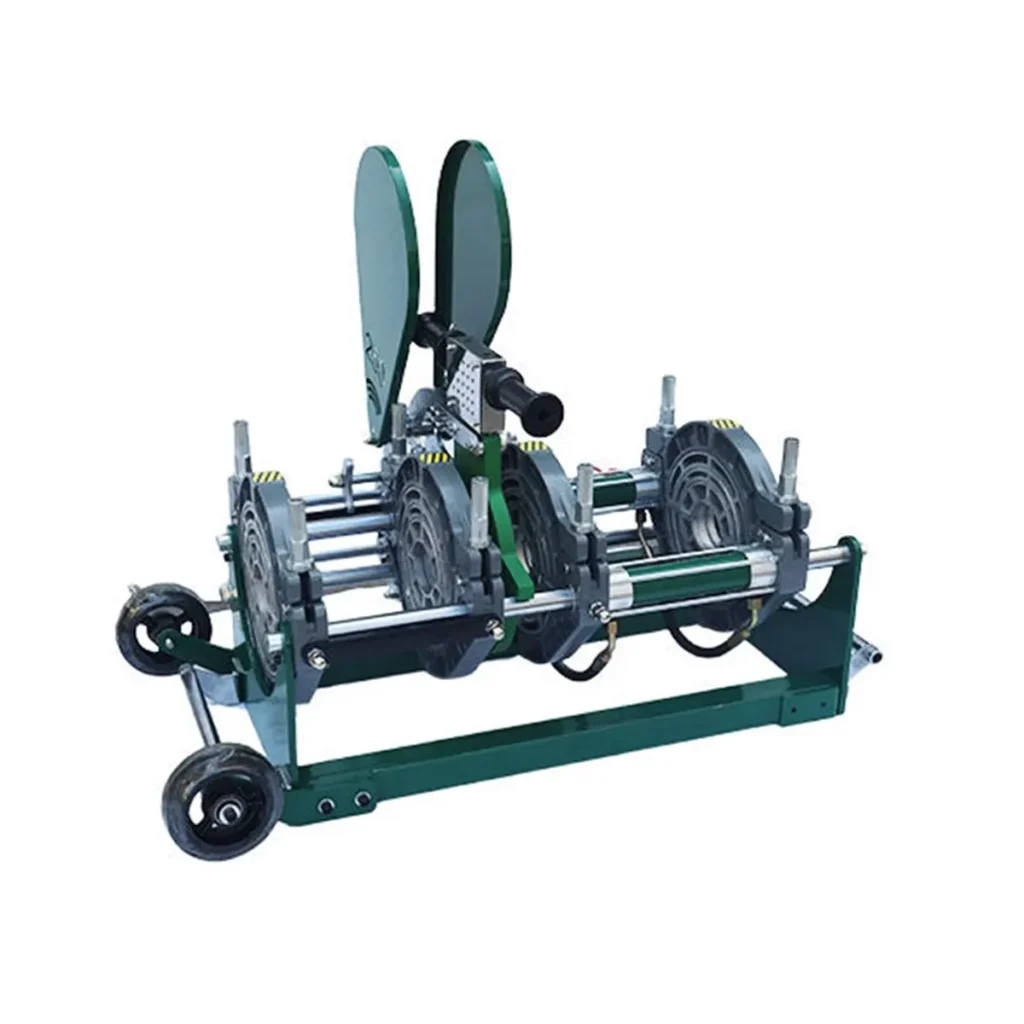
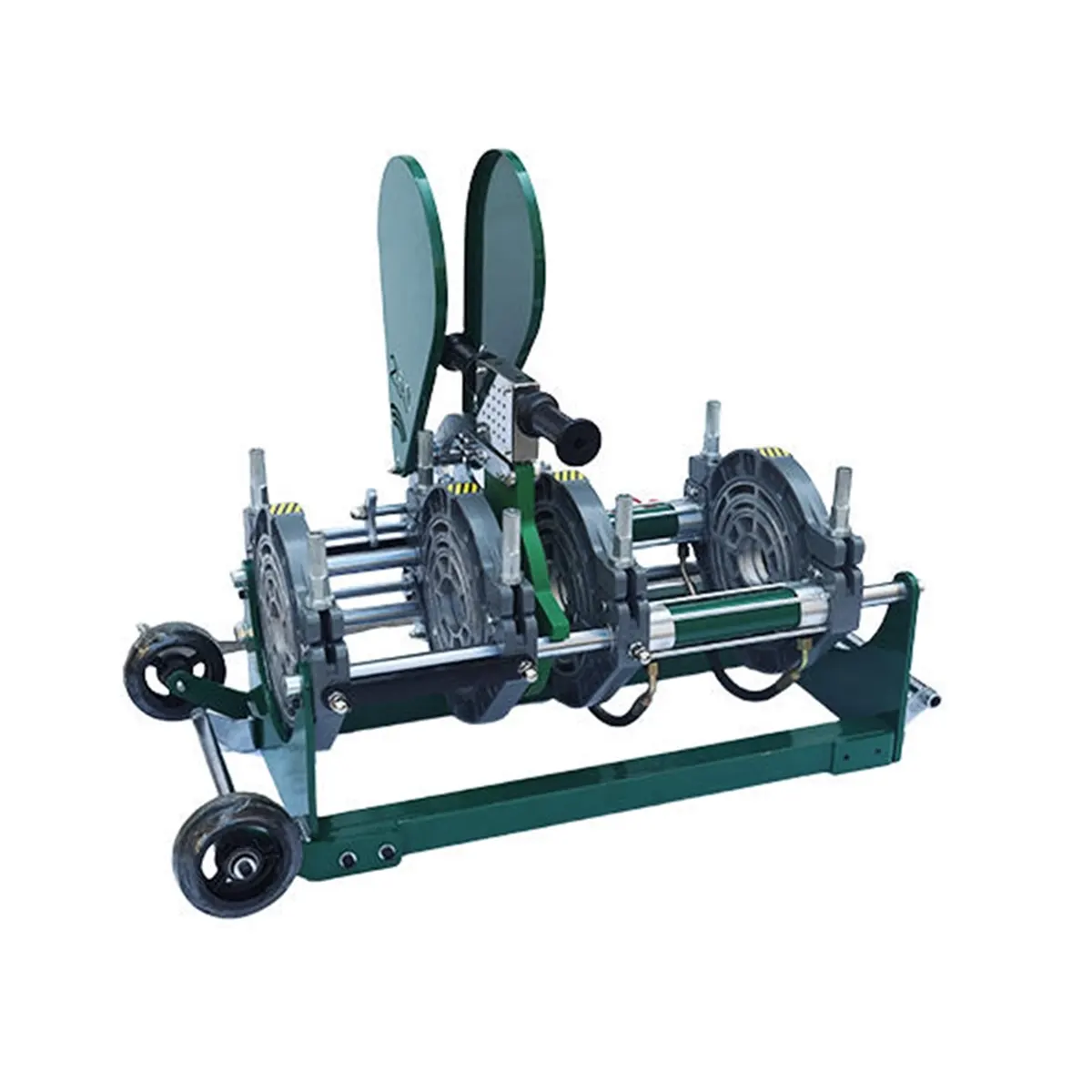
Manual butt fusion machines — compact and cost-effective for rural crews and small-diameter pipes (20–315mm). Easy to transport and operate in remote sites.
Hydraulic butt fusion machines — deliver consistent pressure for medium to large diameters (63–1200mm). Ideal for municipal contractors handling mains and distribution networks.
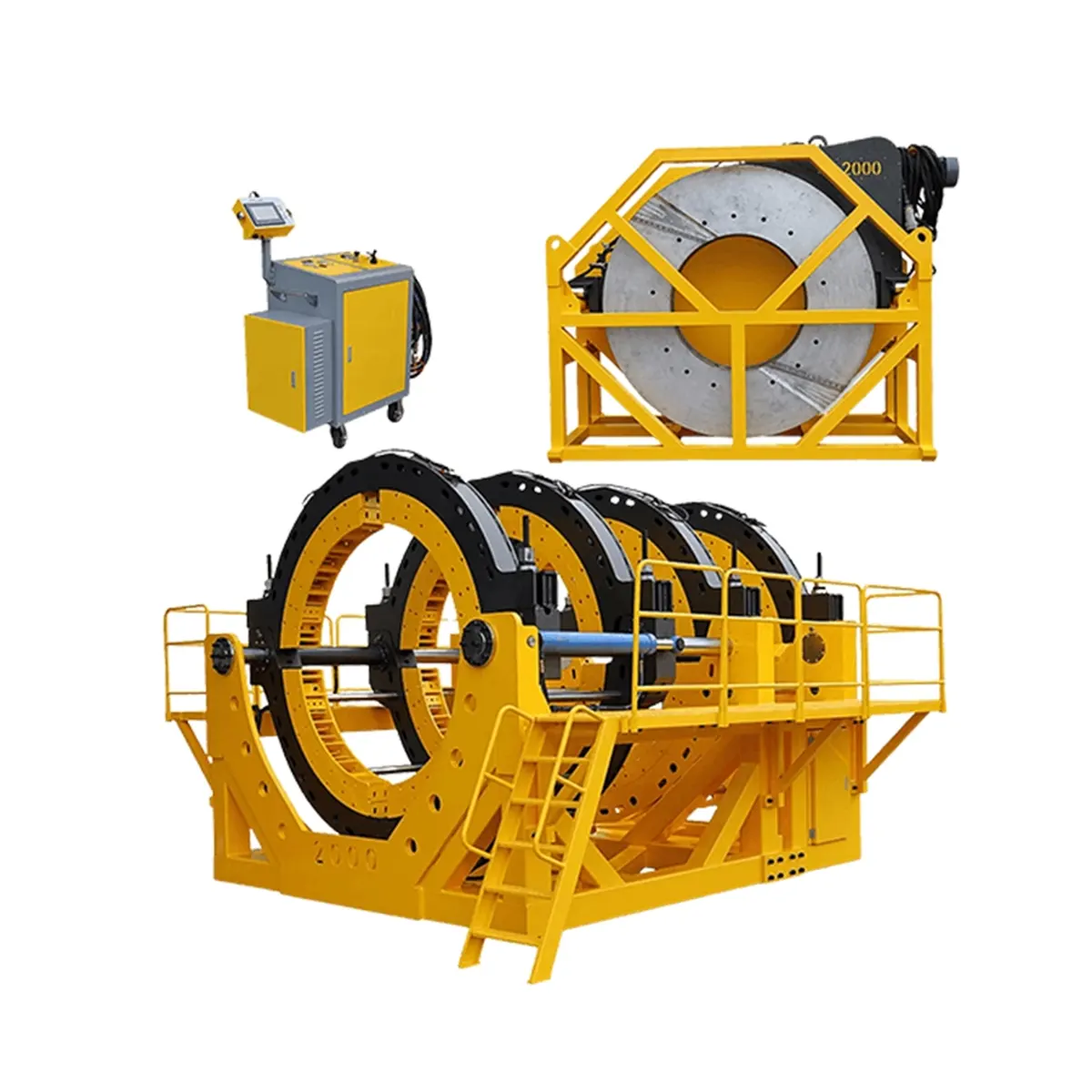
Automatic / CNC butt fusion machines — programmable for repeatable weld cycles, excellent for large-diameter and high-volume projects where traceability matters.
Multi-angle fitting welders — for fitting fabrication and branch welds frequently used in complex irrigation and industrial systems.
Key Benefits for Contractors and Utilities
Durability: Proper fusion eliminates mechanical joints that can corrode or leak, extending service life.
Cost efficiency: Faster weld cycles and fewer field repairs lower total lifecycle costs for public works and agricultural irrigation.
Safety and compliance: Consistent fusion quality supports regulatory standards for gas and potable water distribution.
Local adaptability: Machines that perform in high temperatures and dusty environments help crews in remote Uzbek regions maintain schedule reliability.
Compact Comparison Table: Typical Models & Applications
| Model | Type | Pipe Range (mm) | Ideal Application |
|---|---|---|---|
| JQSY-2M | Manual Butt Fusion | 20–160 | Rural irrigation, service lines |
| JQH355 | Hydraulic Butt Fusion | 63–355 | Urban distribution mains |
| JQA800 | Automatic/CNC Butt Fusion | 200–800 | Large-diameter pipelines, industrial |
Quality Assurance, Training and Local Support
Manufacturers that provide training, calibration documentation and spare parts help Uzbek contractors maintain weld quality across projects. JQ-Fusion (https://jq-fusionwelding.com/) supplies a range of manual, hydraulic and automatic machines and can support export logistics and technical guidance for Central Asian projects.
How to Choose the Right Jointing Machine
Assess project scale, pipe diameters, site accessibility and available operator skill level. For single crews in remote fields choose portable manual units; for municipal networks and long pipelines select hydraulic or automatic systems that offer data logging and repeatability.
Next steps: Define your pipe size range, expected annual welding volume and on-site conditions. Request machine spec sheets, welding procedure documentation and local training offers before procurement to ensure reliable performance on Uzbekistan projects.



