
HDPE pipe welding machines are central to modern pipeline projects across Bulgaria — from municipal water networks in Sofia to rural irrigation and gas distribution in the Thracian plains. Choosing the right equipment improves joint integrity, speeds installation, and helps meet EU and local construction standards for long-term pipeline performance.
Reliable Butt Fusion Solutions for Bulgaria
Butt fusion welding remains the preferred method for joining HDPE pipes because it produces uniform, leak-free joints that withstand harsh climates and ground movement. Bulgarian contractors, municipal engineers, and utility installers value machines that combine portability for remote sites with precision for urban infrastructure work.
Machine Types and Typical Applications
Whether the project is a small-diameter irrigation line in a remote village or a large-diameter trunk main for a city, equipment categories include manual, hydraulic, and CNC automatic butt fusion machines. Typical applications include:
Water supply — distribution mains and service connections in towns and municipalities.
Gas distribution — safe, certified welding for low- and medium-pressure networks common in Bulgarian cities and suburbs.
Industrial & mining — resistant HDPE pipelines for chemicals, tailings, and process fluids.
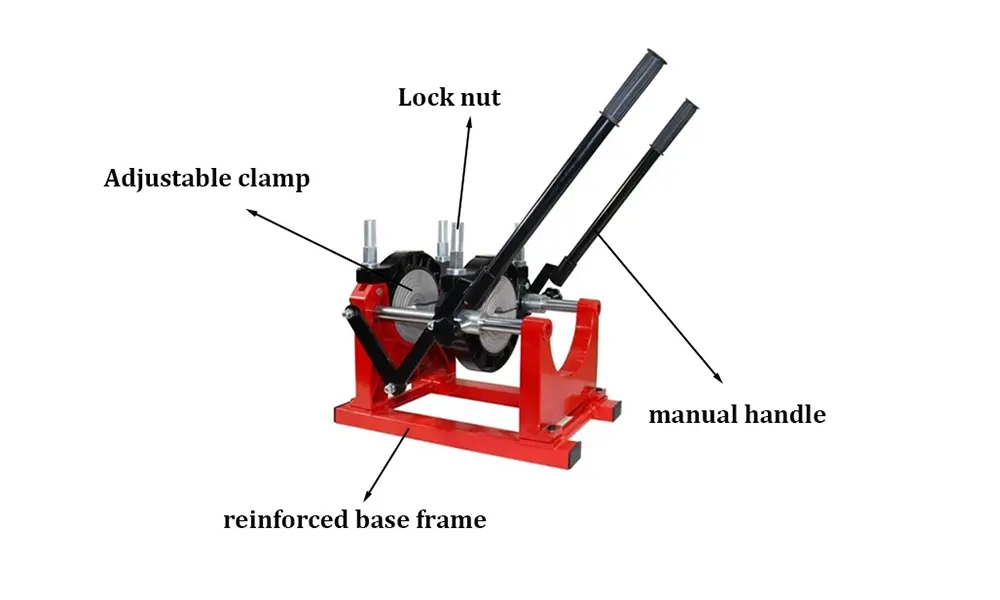
Key Features to Look For
For Bulgarian projects, prioritize machines offering:
Stable clamping systems for accurate alignment on uneven terrain, especially important for rural pipeline trenches.
Digital temperature and pressure control to meet strict welding parameters required by EU regulations and local authorities.
Portability and modular design so teams can move equipment across sites with limited access or narrow streets found in older towns.
Quick Comparison
| Model Type | Typical Pipe Range | Best For |
|---|---|---|
| Manual | 16mm – 315mm | Small jobs, tight budgets |
| Hydraulic | 63mm – 1000mm | Medium to large municipal works |
| CNC Automatic | 160mm – 2250mm+ | High-volume, precision projects |
Choosing the Right Machine for Bulgarian Conditions
Contractors in Bulgaria benefit from matching machine capability to local site conditions: compact units for historic urban districts, rugged hydraulic frames for mountainous or cold regions, and automated systems where quality traceability and fast throughput are required for large EU-funded infrastructure projects.
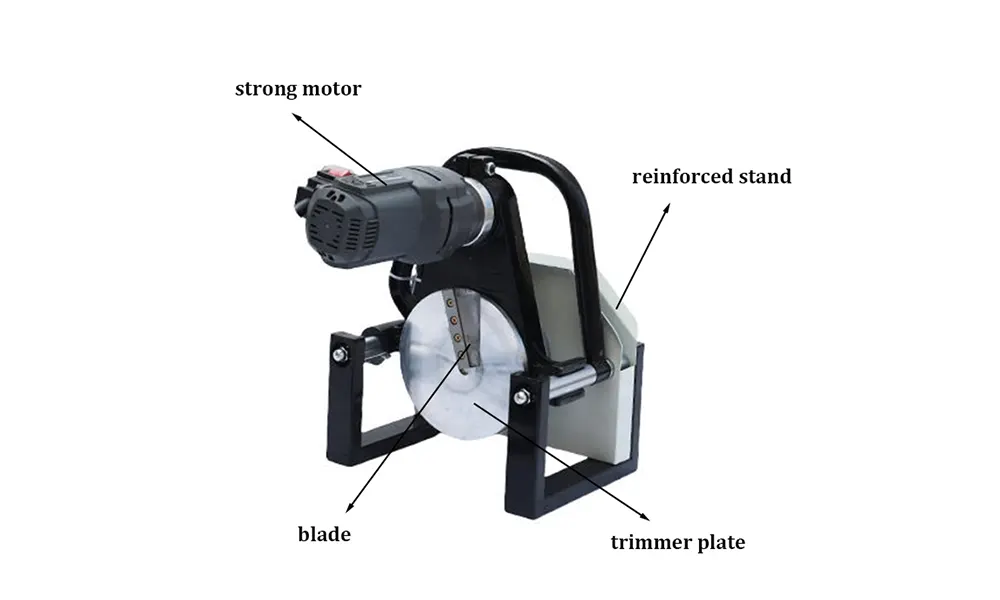
Installation, Certification & After-Sales
Local compliance with European norms (CE marking, ISO welding procedures) and operator training are essential. Choose suppliers who offer clear documentation, on-site training programs for weld operators, and accessible spare parts to reduce downtime across Bulgaria’s dispersed job sites.
Why Bulgarian Contractors Choose Trusted Manufacturers
Bulgaria’s varied climate and topography demand machines that are durable, easy to service, and backed by reliable technical support. For proven performance and a wide product range that serves both small municipal teams and large pipeline contractors, consider the options available directly from the manufacturer: https://jq-fusionwelding.com/
Next steps: assess your project’s pipe diameter range, site access, and required welding traceability. Request datasheets, welding procedure specs, and local references before procurement to ensure long-term project success.



