
HDPE pipe welding machines are the backbone of modern pipeline installation — delivering consistent, strong, and leak-proof joints for water, gas, mining, and industrial systems. This guide explains how reliable butt fusion equipment improves project outcomes, what to look for when choosing machinery, and practical tips to ensure long-lasting welds.
Why Quality HDPE Pipe Welding Machines Matter
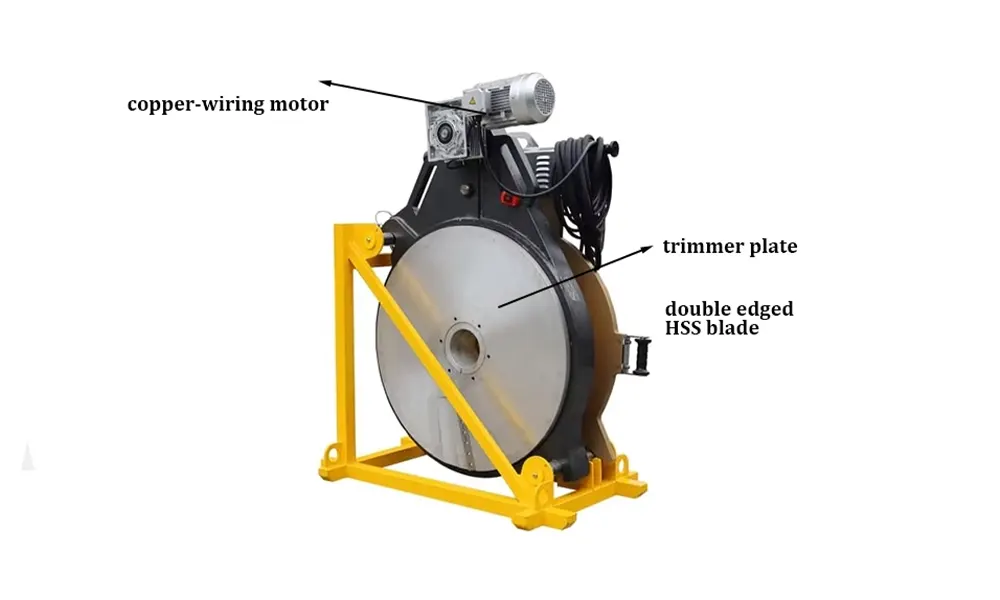
A high-quality HDPE welding machine ensures uniform heating, accurate alignment, and controlled cooling — all critical to producing a fusion joint that meets safety and regulatory standards. Poor equipment leads to weak welds, costly rework, and potential network failures. For contractors and pipeline operators, investing in robust butt fusion technology reduces downtime and warranty risk.
Key Applications
HDPE welding machines are used across many sectors:
-
Municipal water distribution and sewer systems
-
Natural gas and LPG pipelines
-
Mining slurry and tailings transport
-
Industrial fluid handling and chemical process piping
Types of Butt Fusion Machines
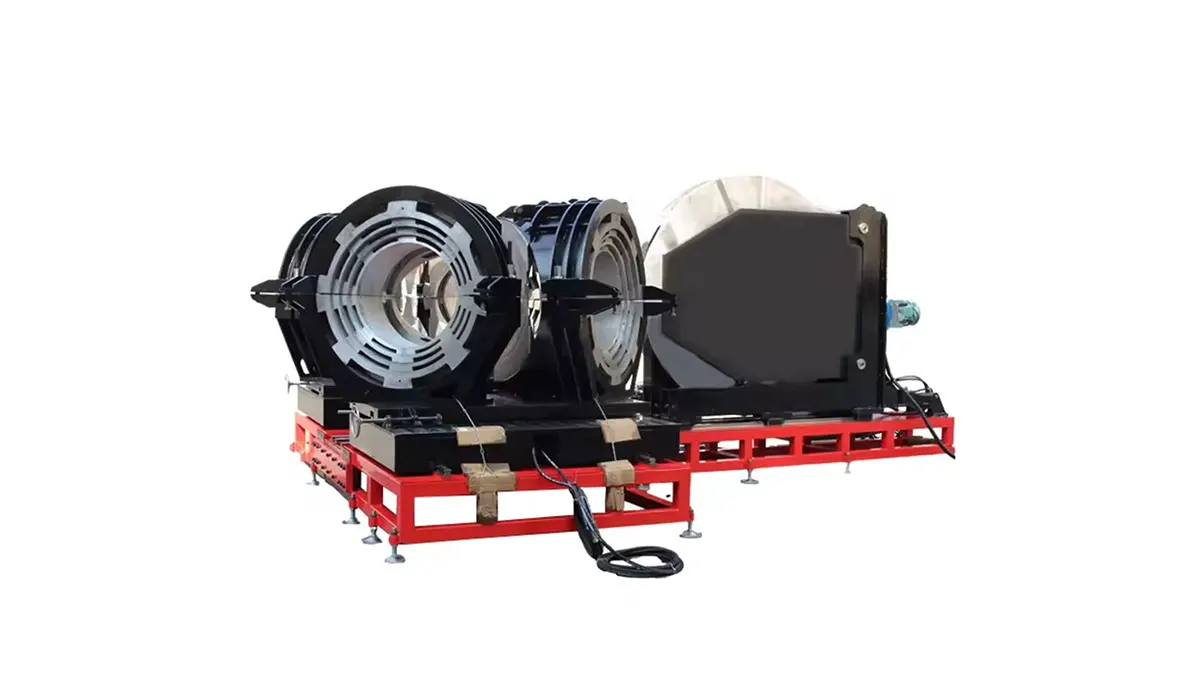
Manual units are portable and economical for small jobs. Hydraulic machines provide higher clamping force for medium to large diameters. CNC automatic fusion systems deliver precise, repeatable weld cycles for large-scale or high-spec projects.
Selecting the Right Model
Choose based on pipe diameter range, site mobility needs, automation level, and available power. Prioritize machines with clear control panels, reliable heaters, and sturdy frames that resist jobsite wear.
Performance Metrics That Matter
When evaluating suppliers and models, compare these core metrics to ensure you get durable, leak-proof joints:
| Metric | Why It Matters | Good Benchmark |
|---|---|---|
| Clamping Force | Prevents pipe slip during heating and fusion. | Hydraulic systems ≥ required psi for diameter |
| Heater Plate Uniformity | Ensures even melting across joint faces. | Stable temperature ±2°C |
| Alignment Accuracy | Reduces cold zones and weak joints. | Precision guides and adjustable clamps |
| Control & Automation | Repeatable cycles reduce human error. | CNC or digital controllers recommended |
On-Site Best Practices
Preparation matters: clean pipe ends, verify facing tool condition, and follow specified heating and cooling cycles. Use proper ferrules and protect joints during curing. Document each weld — date, operator, machine settings — to maintain traceability and quality control.
Troubleshooting Common Issues
Uneven bead: Check heater plate temperature and alignment. Cold weld: Increase heating time or verify plate contact. Over-melt: Reduce heating time and confirm correct pressure during fusion.
Why Partner with an Experienced Manufacturer
Choosing an experienced manufacturer ensures access to tested machine designs, spare parts, and technical support. JQ-Fusion provides a wide range of manual, hydraulic, and CNC automatic butt fusion welding machines suitable for small to large diameters, backed by quality controls and aftermarket service.
Practical ROI Considerations
Beyond upfront cost, consider machine uptime, consumable longevity, training needs, and warranty. A reliable machine reduces rework, speeds installation, and lowers total project cost — delivering measurable savings over the lifetime of a pipeline.
Final Checklist Before Purchase
-
Confirm pipe size range and material compatibility
-
Verify heating plate uniformity and control features
-
Ask about spare parts availability and lead times
-
Request training and documentation for operators
Investing in the right HDPE pipe welding machine is an investment in safety, reliability, and long-term performance. With appropriate equipment selection, standardized procedures, and quality support, teams can achieve consistent, leak-proof joints that stand the test of time.



