
Butt fusion joint failure is one of the most frustrating problems in thermoplastic pipeline construction because it can lead to leaks, pressure loss, costly rework, and serious service interruptions. In many projects, the joint itself is expected to be stronger than the pipe wall, yet a small error in heating, alignment, clamping, or cooling can compromise the entire system. Understanding what causes failure and how to analyze it is essential for contractors, inspectors, and operators who want stable long-term performance.
In HDPE and other plastic pipeline applications, the quality of a butt fusion joint depends on a controlled chain of actions. The heating plate must reach the correct temperature, the pipe ends must be trimmed cleanly, the fusion pressure must be applied correctly, and the joint must cool without movement. If one stage is weak, the final weld may look acceptable on the surface while hiding internal defects that only appear later in service. For this reason, failure analysis is not just about repairing a damaged joint; it is about identifying the root cause and preventing repeat defects.
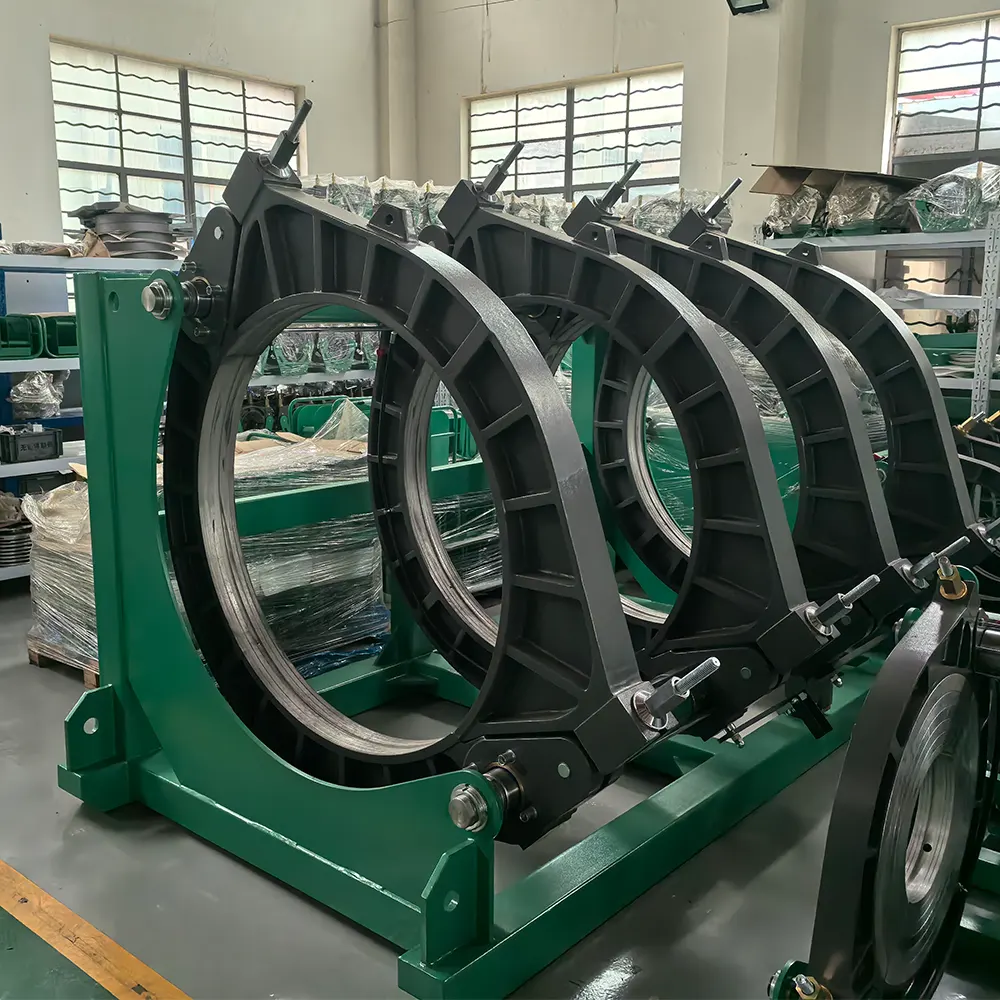
For project teams working with a butt fusion machine, the most effective approach is to combine correct welding practice with a disciplined inspection process. JQ-Fusion, a professional manufacturer of HDPE pipe welding equipment, emphasizes stable performance, accurate temperature control, and clamp alignment because these factors directly influence weld integrity. Whether the machine is manual, hydraulic, or CNC automatic, consistent process control remains the foundation of reliable fusion.
What Is Butt Fusion Joint Failure?
Butt fusion joint failure occurs when the fused connection between two pipe ends does not achieve the required mechanical strength, sealing ability, or long-term durability. The failure may be immediate, such as visible separation during pressure testing, or delayed, such as slow crack growth, leakage, or deformation under operating stress. Because the weld is intended to become a permanent part of the pipeline, failure usually indicates a problem in process execution, material condition, or equipment performance.
Key point: A failed butt fusion joint is rarely caused by a single factor. In most cases, it results from a combination of poor preparation, unstable welding parameters, or insufficient quality control.
Main Causes of Butt Fusion Joint Failure
1. Improper Pipe End Preparation
One of the most common causes of failure is inadequate pipe end preparation. If the pipe ends are not cut square, cleaned properly, or faced evenly, the two surfaces will not align well during fusion. Contamination from dust, moisture, oil, or oxidation layers can prevent proper molecular bonding and create weak zones in the weld. Even a small amount of debris trapped at the interface can lead to voids, inclusions, or partial fusion.
Good preparation includes accurate pipe trimming, dry cleaning, correct clamping, and careful inspection before heating begins. Operators should ensure the faces are smooth and parallel, and that no external contamination remains on the fusion surfaces. On larger projects, this step is often underestimated because it appears simple, yet it has a major effect on final joint strength.
2. Incorrect Heating Temperature
Heating temperature is critical in butt fusion welding. If the heating plate is too cold, the pipe ends will not soften enough to flow and form a strong molecular bond. If it is too hot, the material may degrade, become overly molten, or form a weak, brittle interface. Both conditions increase the risk of joint failure.
Warning: Temperature accuracy should never be guessed. A calibrated heating plate and regular machine testing are essential for repeatable weld quality.
The heating cycle must also match pipe size, wall thickness, and ambient conditions. Wind, cold weather, or uneven heat distribution can all affect surface softening. That is why industrial welding equipment from experienced manufacturers such as JQ-Fusion is often designed with stable heating performance and comprehensive testing for temperature accuracy.
3. Poor Pressure Control During Fusion
The amount of pressure applied during the fusion and joining stages determines how the molten material flows and bonds. Too much pressure may force material out excessively, creating a thin bond line or excessive flash that hides defects. Too little pressure can leave gaps, reduce contact, and prevent full fusion. Pressure instability is especially dangerous when using hydraulic systems that are not properly maintained or calibrated.
In field conditions, pressure errors may come from an incorrect machine setup, worn components, inaccurate gauges, or operator inexperience. For this reason, hydraulic and CNC systems with stable pressure control are preferred for larger-diameter pipes and high-demand projects.
4. Misalignment of Pipe Ends
Pipe end misalignment can create uneven stress concentration and an irregular joint profile. If one pipe end sits higher or lower than the other, the fused area may not distribute load evenly. Over time, this can lead to localized weakness, cracking, or premature separation under internal pressure or external movement.
Proper clamp alignment is therefore essential. The machine should hold both pipe ends firmly and symmetrically, allowing facing, heating, and joining to occur without movement. High-quality machines with precision machining and stable clamp systems reduce this risk significantly.
5. Insufficient Cooling Time
After joining, the fused joint must remain undisturbed until it cools enough to retain its shape and strength. Moving, bending, or pressurizing the joint too early can disrupt internal bonding and cause hidden failure. Some welds appear acceptable immediately after joining but weaken significantly if handled before the cooling cycle is complete.
Cooling time should always follow the recommended procedure for the pipe material and size. Operators should resist the temptation to speed up the process, because premature handling often creates long-term reliability problems that are expensive to trace later.
6. Material Defects or Incompatible Pipe Quality
Even when welding parameters are correct, poor-quality raw material can still cause failure. Pipe sections with contamination, uneven wall thickness, degraded resin, or inconsistent manufacturing quality may not fuse reliably. Incompatible materials or unknown supply sources increase this risk further.
That is why pipeline projects should use traceable materials and approved specifications. A strong welding process cannot fully compensate for bad pipe quality.
How to Analyze a Butt Fusion Joint Failure
Failure analysis should begin with a structured review of the welding record, the machine condition, the pipe material, and the site environment. The goal is to reconstruct the welding process and identify the point where the procedure deviated from the standard. In many cases, a careful analysis can distinguish between a process error, an equipment issue, and a material defect.
Analysis checklist: review temperature records, pressure settings, clamp alignment, cooling time, operator steps, and pipe surface condition.
Visual Inspection
A visual inspection is usually the first step. Inspectors should look for uneven bead formation, excessive or insufficient flash, visible gaps, burn marks, contamination, off-center joints, and signs of deformation. The surface appearance of a joint often provides important clues about what went wrong during the weld cycle.
Process Record Review
If the project uses a machine with data logging or written welding records, these should be reviewed immediately. Temperature, pressure, heating time, transfer time, joining time, and cooling time must all be compared with the required procedure. Deviations may point directly to the source of the problem.
Mechanical Testing
When necessary, mechanical testing can help confirm the severity of the failure. Tensile tests, bend tests, and burst tests may reveal whether the weld achieved adequate strength. These tests are especially useful when the failure is not visible but suspected from pressure loss or service performance issues.
Fracture Surface Examination
Examining the fracture surface can reveal whether the failure was caused by incomplete fusion, contamination, overheating, or a brittle break. A clean, ductile fracture pattern may suggest a different issue from a rough, layered, or contaminated interface. In more advanced investigations, microscope-based analysis may be used to study the weld interface in detail.
How Equipment Quality Affects Failure Prevention
A dependable welding machine is a key part of failure prevention. Stable heating, accurate hydraulic pressure, and secure clamping all reduce the chance of operator error and make the fusion process more repeatable. This is one reason why experienced contractors prefer machines from manufacturers with proven engineering and testing capability.
JQ-Fusion focuses on manual, hydraulic, and CNC automatic butt fusion machines for water supply systems, gas distribution networks, mining projects, and industrial pipeline installations. Their products are tested for temperature accuracy, hydraulic stability, and clamp alignment to support consistent welding results across different pipe diameters. In projects where uptime and weld reliability matter, good equipment is often the difference between a stable system and repeated repair work.
Practical note: Even the best operator cannot fully compensate for a machine with unstable temperature control or poor alignment performance.
Best Practices to Reduce Butt Fusion Joint Failure
Use a properly calibrated machine and verify all settings before each weld.
Keep pipe ends clean, dry, and accurately faced before heating.
Follow the correct heating, joining, and cooling times for the pipe material and size.
Maintain clamp alignment and avoid movement during the fusion cycle.
Record welding parameters and inspect each joint before service.
Train operators regularly so they understand both the equipment and the material behavior under heat and pressure.
Why Root Cause Analysis Matters
Root cause analysis turns a single failure into useful project knowledge. Instead of replacing a damaged joint and moving on, teams can learn which step failed and update their procedure, training, or equipment selection. This approach reduces repeat defects, improves safety, and protects the long-term value of the pipeline investment.
When the same failure occurs repeatedly, the cause is often systemic rather than accidental. It may reflect a machine setup issue, lack of operator training, or poor quality assurance. Structured analysis makes it possible to correct these issues before they affect a larger section of the pipeline.
Conclusion
Butt fusion joint failure is usually preventable when the welding process is controlled carefully from start to finish. Most failures can be traced to poor preparation, incorrect temperature, pressure instability, misalignment, premature handling, or low-quality materials. By combining disciplined welding procedures with reliable equipment and systematic failure analysis, pipeline teams can achieve stronger, safer, and more durable joints.
For contractors and distributors working on demanding projects, choosing a trusted manufacturer with stable product quality and strong technical support can make a significant difference. Reliable fusion equipment does not just improve weld appearance; it helps ensure the pipeline performs as designed over the long term.
Frequently Asked Questions
1. What is the most common reason for butt fusion joint failure?
The most common reasons are improper pipe preparation, incorrect heating temperature, and poor pressure control. These issues prevent a full molecular bond and can create hidden weak points in the joint.
2. How can I tell if a butt fusion joint is defective?
Look for uneven bead formation, contamination, misalignment, burn marks, gaps, or unusual deformation. Pressure testing and process records can also help confirm whether the joint is sound.
3. Can poor cooling cause joint failure?
Yes. If the joint is moved or stressed before it has fully cooled, the internal bond may be disturbed and the weld can fail later under pressure or load.
4. Why is machine quality important in butt fusion?
Machine quality affects heating accuracy, clamp alignment, and pressure stability. A well-built machine helps operators produce consistent joints and reduces the risk of process-related defects.
5. What should be checked first after a failure occurs?
Start with the welding record, machine settings, pipe surface condition, and visual appearance of the joint. These clues usually point to the most likely root cause.



