
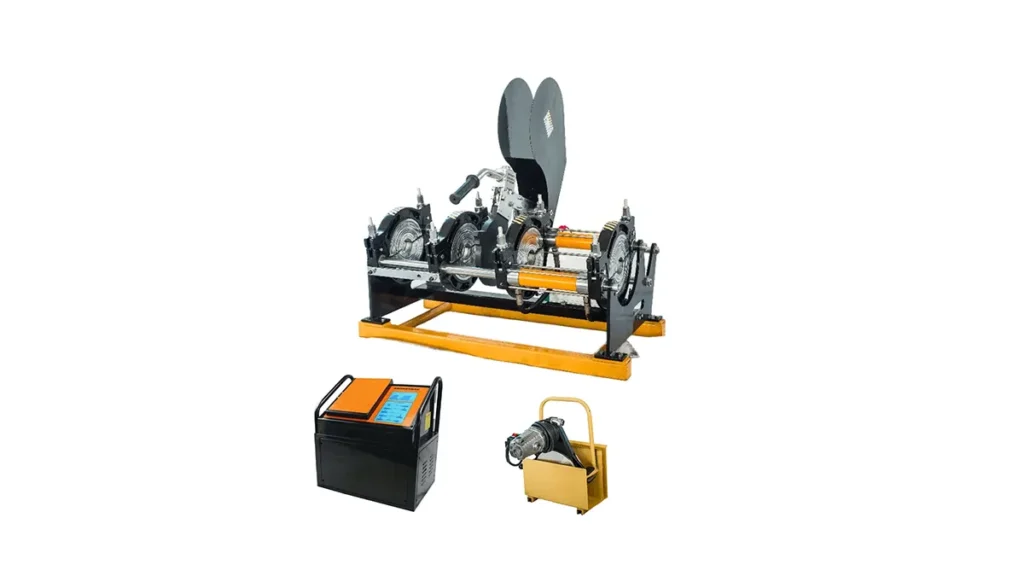
Choosing the right HDPE pipe welding equipment can make the difference between a project that finishes on time and one that faces rework, leaks, or costly delays. This guide breaks down practical factors, machine types, and a simple comparison table to help contractors, municipal buyers, and utility planners select the best butt fusion or electrofusion solution for their needs.
Understand the Project Requirements First
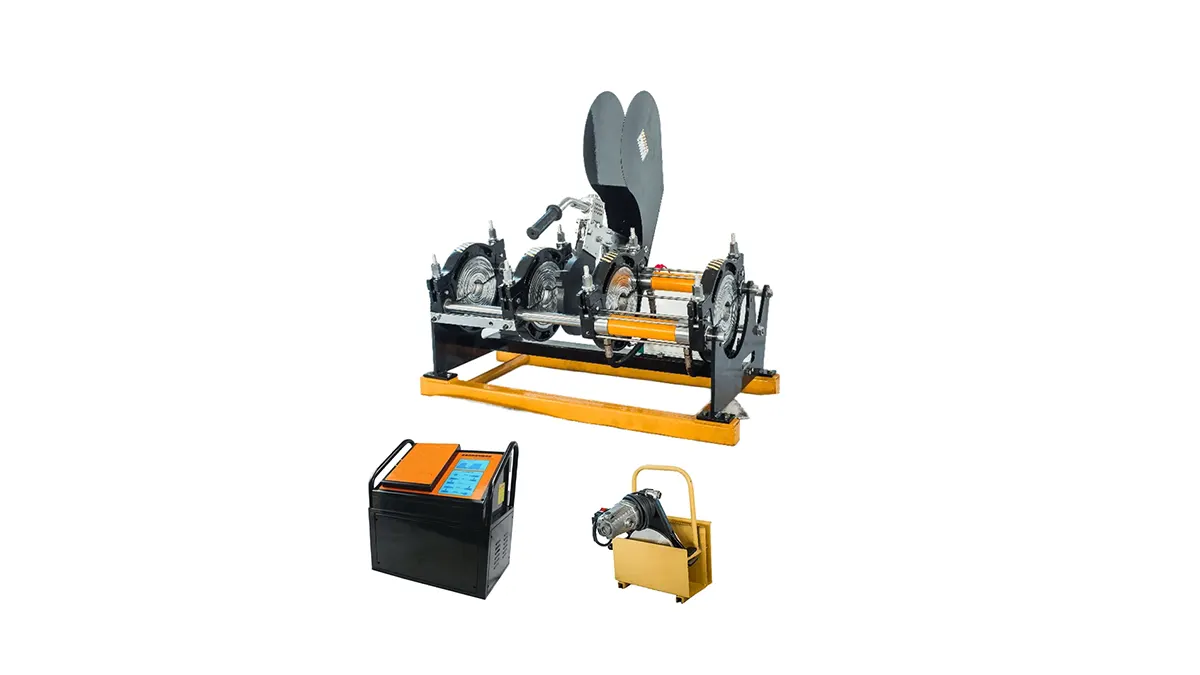
Start by mapping the scope: pipe diameters, wall thicknesses (SDR), material grade (PE80, PE100), pressure class, and site conditions. Large-diameter trunk mains, long-distance gas distribution, and mining pipelines have different machine demands than small-diameter irrigation or service lines.
Key technical inputs to collect
-
Diameter range to be welded (e.g., 20mm–2250mm).
-
Expected daily weld volume and duty cycle.
-
Site access, power availability, and environmental exposure.
-
Required certification or welding standards (ISO, ASTM, or local codes).
Compare Machine Types: Match Performance to Budget
Manual Machines (Light-duty)
Best for small diameters, occasional field repairs, and remote sites. Manual units are compact, easy to transport, and low cost, but depend heavily on operator skill for consistent joint quality.
Hydraulic Machines (Mid-to-Heavy Duty)
Combine precise pressure control with robust clamping for medium and large pipes. They are suitable for higher-volume construction sites and provide repeatable, reliable welds with moderate operator training.
Automatic / CNC Butt Fusion Machines (High Productivity)
Ideal for contractors and prefabrication yards. Automatic controls manage heating, alignment, and fusion parameters to deliver high repeatability, digital logging, and improved throughput on large projects.
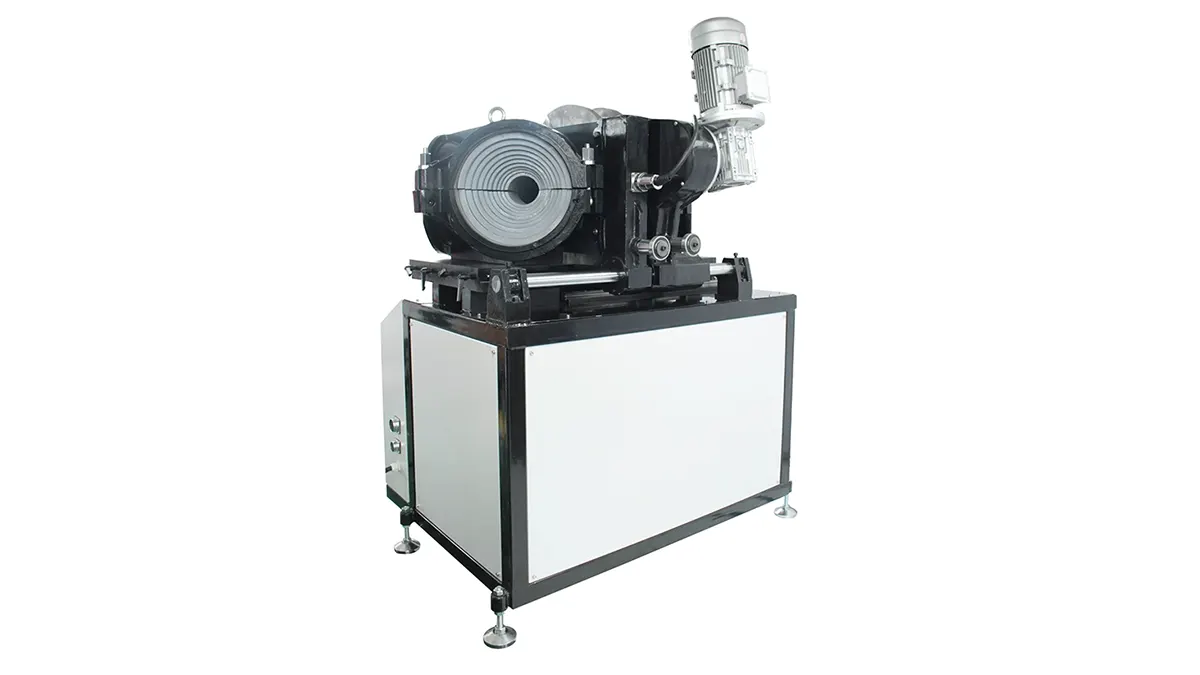
Multi-Angle & Fittings Machines
Specialized equipment for welding elbows, tees, and fitting assemblies — critical when prefabrication of complex networks is required.
Top Selection Criteria
1. Diameter Capacity & Clamping System
Confirm the machine’s clamping range and whether modular inserts or quick-change jaws are available. For mixed-size fleets, choose a platform with flexible clamps.
2. Heating Plate Quality & Control
Smooth, durable heating plates with precise temperature control produce consistent melt layers and reduce joint defects. Look for replaceable plates and even temperature distribution.
3. Automation, Data Logging & Traceability
Automatic machines with digital parameter logging help meet quality assurance requirements and speed up commissioning and audits.
4. Power & Hydraulic Requirements
Check whether machines accept standard site power or need external hydraulics. Portable diesel or battery options are useful for remote worksites.
5. Portability & Field Serviceability
Field-friendly machines with modular designs, lightweight frames, and easy spare parts access reduce downtime and logistic costs.
Comparison Table: Quick Specs at a Glance
| Machine Type | Diameter Range | Best For | Notes |
|---|---|---|---|
| Manual Butt Fusion | 20mm–560mm | Repair, small projects | Low cost, operator dependent |
| Hydraulic Butt Fusion | 63mm–2250mm | Mains, municipal works | Higher reliability, more power |
| Automatic / CNC | 90mm–2250mm+ | Large projects, prefabrication | Data logging, greatest consistency |
| Multi-Angle Fittings Machine | Fittings-specific | Prefabrication of bends/tees | Saves onsite assembly time |
Practical Buying Checklist
-
Verify certifications: Ensure machine and welding procedures comply with project standards.
-
Ask for sample weld records and service history when buying used equipment.
-
Confirm spare parts availability and local support for hydraulics, controllers, and heating plates.
-
Check training options — operator competency directly impacts joint quality.
Maintenance & Operator Training
Routine checks (plate flatness, clamp alignment, hydraulic oil, and seals) extend equipment life. Invest in operator certification and documented welding procedures to reduce rework and warranty claims.
Common Troubleshooting Tips
-
Uneven flash: Check plate temperature uniformity and alignment.
-
Poor fusion bead: Confirm correct heating time and surface cleanliness.
-
Hydraulic drift: Inspect seals and fluid level, purge air from lines.
Frequently Asked Question
Q: How do I choose between hydraulic and automatic machines?
A: Choose hydraulic for rugged reliability across a wide diameter range; choose automatic for high-volume, traceable, and repeatable welds where QA documentation is required.
For reliable HDPE welding equipment built for infrastructure projects — from manual frames to CNC automatic butt fusion machines — consider suppliers with proven manufacturing, testing, and spare-part support. JQ-Fusion offers a broad range of solutions and project experience to help match machines to your application: https://jq-fusionwelding.com/



