
Chile’s growing infrastructure and resource industries demand dependable HDPE pipe welding solutions. From coastal irrigation networks to high-altitude mining pipelines, contractors and municipal teams look for robust butt fusion machines that deliver consistent, leak-free joints in challenging conditions.
Why Chilean Contractors Choose Reliable HDPE Butt Fusion Machines
Durability and field readiness: Machines built for rugged sites in northern mines, southern farms, and urban water projects must resist dust, vibration, and long transport. The right butt fusion equipment ensures fast, repeatable welds even on remote roads and high-altitude projects across the Andes.
Applications in Chile: municipal water supply upgrades, gas distribution networks, copper mine tailings pipelines, agricultural irrigation systems, and industrial process lines all rely on HDPE welding technology for secure, corrosion-free piping.
Product Range & Key Machine Types
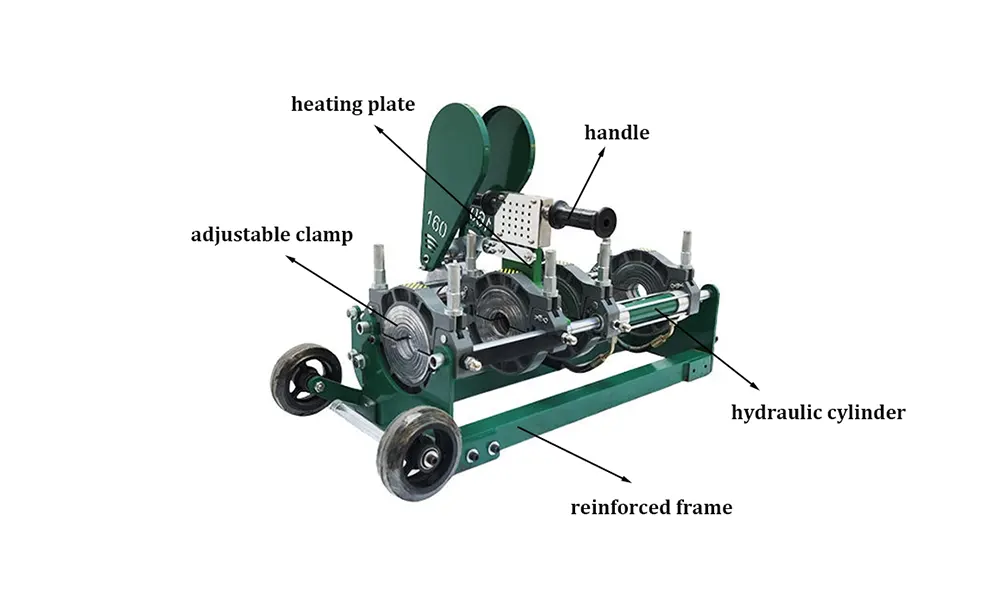
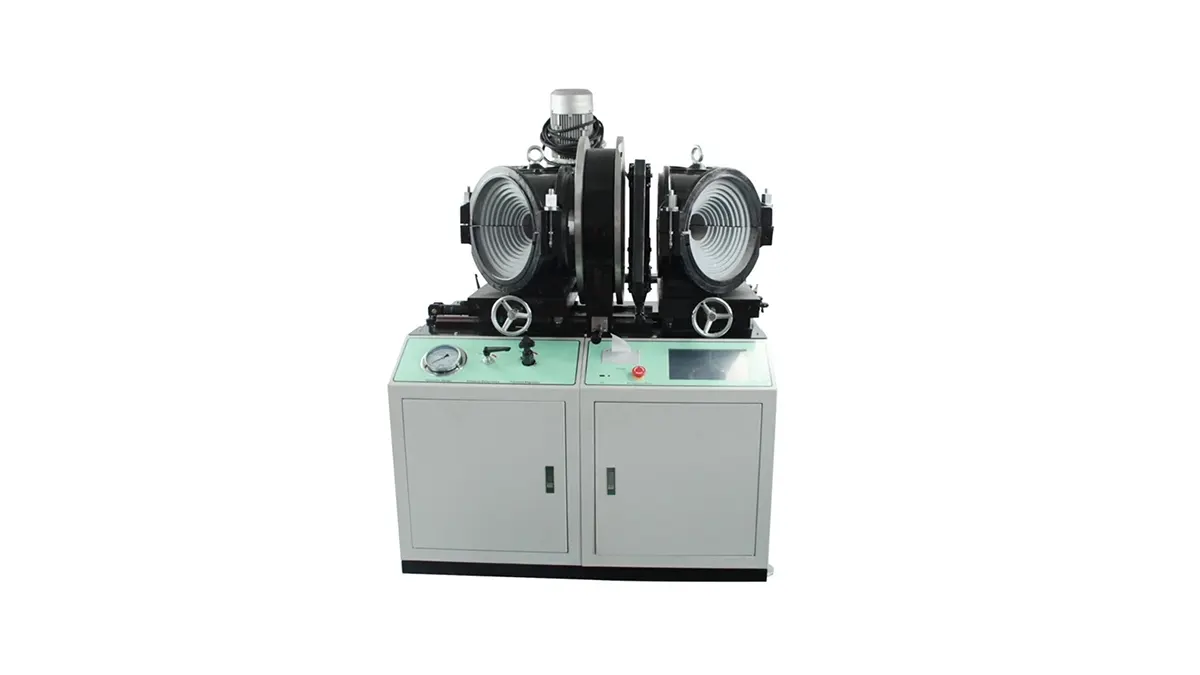
Manufacturers offer a full spectrum of butt fusion solutions to match Chilean project scales—manual and portable units for small repairs, hydraulic machines for medium pipelines, and CNC automatic systems for high-volume plant or large-diameter pipelines.
| Model | Type | Pipe Range | Best For |
|---|---|---|---|
| JQSY Manual Series | Manual | 16–160 mm | Field repairs, small installs |
| JQH Hydraulic Series | Hydraulic | 160–1000 mm | Municipal & industrial pipelines |
| JQA Automatic Series | CNC Automatic | 63–1600 mm | High-volume production, long runs |
Quality, Compliance and Local Support
Reliable welding equipment must meet international fusion standards and be backed by spare parts, operator training, and technical support for Chilean timelines. JQ-Fusion supplies machines designed for heavy-duty use and offers documentation and service adapters suited for mining and municipal contractors.
How to Choose the Right Machine for a Chile Project
Pipe diameter and material: Match machine clamping range to HDPE sizes used in water, gas, or slurry applications.
Site conditions: For remote mining sites, prioritize portability and simple maintenance; for factory-fed pipeline production, choose automation and data logging.
Production needs: Estimate daily weld counts and cycle times—automatic machines are ideal for repetitive, high-volume runs.
Operator skill and training: Ensure local teams receive fusion procedure guidance and access to spare heating plates, trims, and clamps.
Next step: Evaluate machine types against project scope, request weld procedure examples, and arrange on-site demonstrations to confirm performance under Chilean field conditions.



