
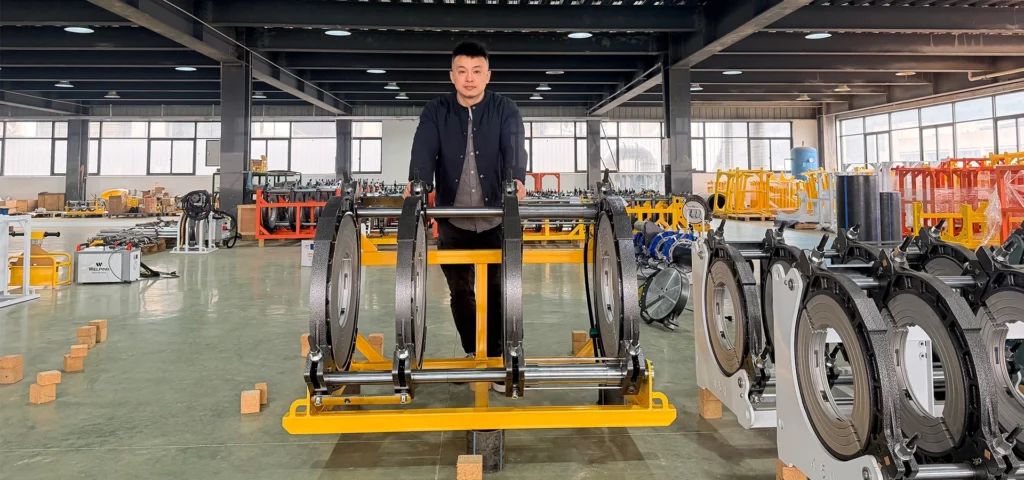
Botswana’s expanding water and mining infrastructure demands dependable HDPE pipe welding equipment that performs reliably across remote sites and urban centers like Gaborone and Francistown. This guide explains why choosing the right butt fusion machines matters for long-term pipeline integrity, cost control, and regulatory compliance in Botswana’s unique environment.
Why HDPE Pipe Welding Equipment Matters in Botswana
Durability and leak-free joints are essential for water-supply networks in semi-arid regions and pressurized systems in mining operations. HDPE pipes joined with proper butt fusion welding reduce maintenance needs and protect local communities from service interruptions. For municipal and rural projects, reliable machines lower the risk of contamination and lost water due to joint failures.
Key Drivers for Investment
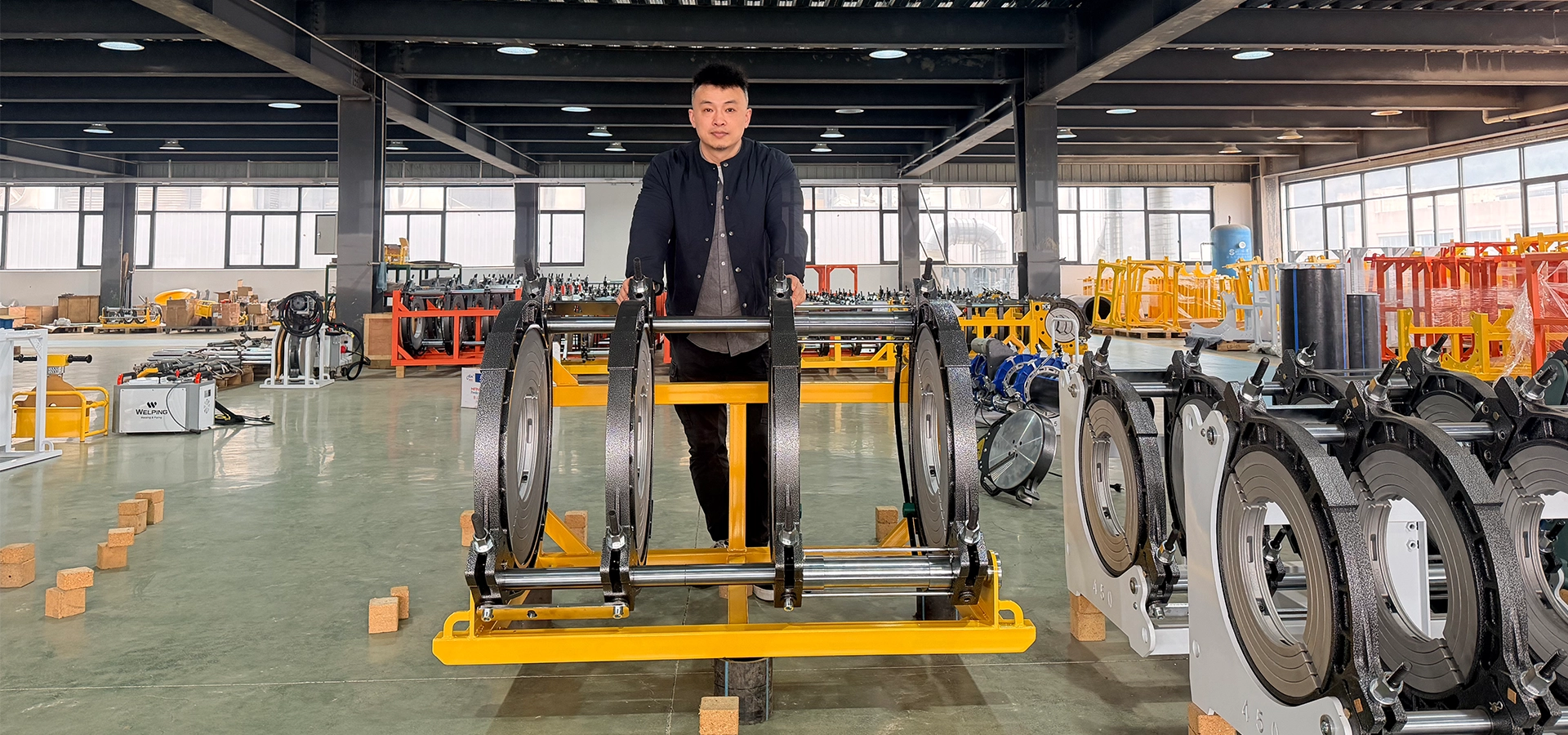
Faster installation, certified joints, and reduced lifecycle costs are top priorities for contractors and government agencies in Botswana. Projects funded by utilities or development partners often require traceable weld records and equipment that supports consistent quality under fluctuating field conditions.
Product Options: Match Machine to Project
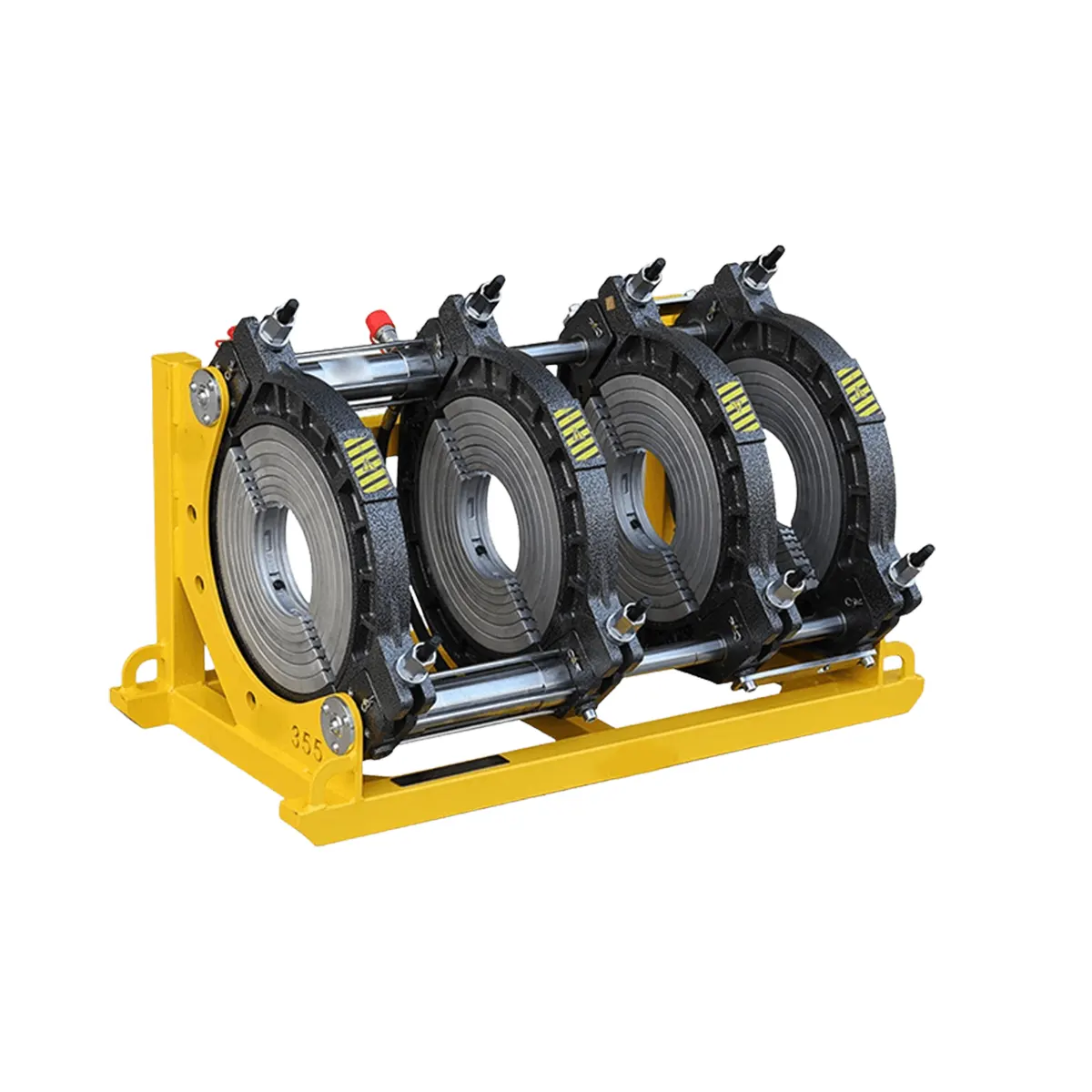
Selecting between manual, hydraulic, and CNC automatic butt fusion machines depends on pipe diameter, site logistics, and production targets. Below is a quick reference to help procurement teams and contractors compare options at a glance.
| Machine Type | Typical Pipe Range | Best For |
|---|---|---|
| Manual Butt Fusion | Ø20mm – Ø400mm | Small repairs, remote villages, low-capex projects |
| Hydraulic Butt Fusion | Ø160mm – Ø2250mm | Large-diameter water mains, industrial pipelines |
| CNC Automatic Butt Fusion | Ø63mm – Ø1600mm | High-volume production, precise weld control |
| Electrofusion Units | Fittings and repairs | Controlled welding for fittings and branch connections |
Choosing by Application
For Botswana’s mining corridors, heavy-duty hydraulic machines and automated systems increase throughput and ensure consistency across repeated welds. For community water supply projects and rural sanitation, portable manual units offer flexibility and low transport cost. Consider soil conditions, ambient temperature swings, and logistics when specifying accessories like heating plates, clamps, and transport frames.
Installation, Training, and Local Support
Successful projects combine high-quality equipment with operator training and preventive maintenance. Provide on-site operator certification, clear welding procedure specifications, and spare-part kits to minimize downtime in remote locations. Regular calibration of heating elements and pressure systems helps meet international fusion standards and local regulatory requirements.
Procurement Tips for Botswana Projects
Verify machine documentation, test reports, and warranty terms. Factor in freight to landlocked Botswana, customs clearance times, and availability of skilled technicians—especially for large-diameter hydraulic units. Local contractors often prefer vendors who offer remote troubleshooting and rapid spare parts dispatch.
Real-World Benefits
Well-specified HDPE welding equipment reduces lifecycle operational costs, speeds up pipeline commissioning, and provides robust joints that stand up to demanding mining and municipal uses. When planning new pipelines or rehabilitation works in Botswana, align equipment choice to long-term maintenance strategies and community needs.
Contact
JQ-Fusion supplies a full range of butt fusion and electrofusion welding machines, spare parts, and technical guidance for projects across Botswana and Southern Africa. Visit https://jq-fusionwelding.com/ for product details and support options.



