
Choosing the right butt welding machine means balancing price, productivity, and long-term reliability. Whether you’re buying your first unit for small-diameter HDPE pipe work or upgrading to an automated system for large infrastructure projects, understanding what drives cost helps you make an informed purchase. This guide breaks down price ranges, key features that affect cost, and a practical checklist to choose the best option for your needs.
Why Butt Welding Machine Prices Vary
Price differences come from machine type, pipe diameter capacity, automation level, build quality, and included accessories. A compact manual unit can cost a fraction of a fully automatic CNC machine designed for long production runs and large-diameter pipes. Regional shipping, certification, and after-sales support also shape the final price tag.
Major cost drivers
- Automation level: Manual vs. hydraulic vs. CNC automatic.
- Capacity: Maximum pipe diameter and clamping force.
- Materials & manufacturing: Heavy-duty steel frames and precision components raise cost but extend lifetime.
- Accessories & consumables: Trimmers, heaters, spare heating plates, and clamping jaws.
- Support & warranty: Local service, spare parts availability, and warranty length.
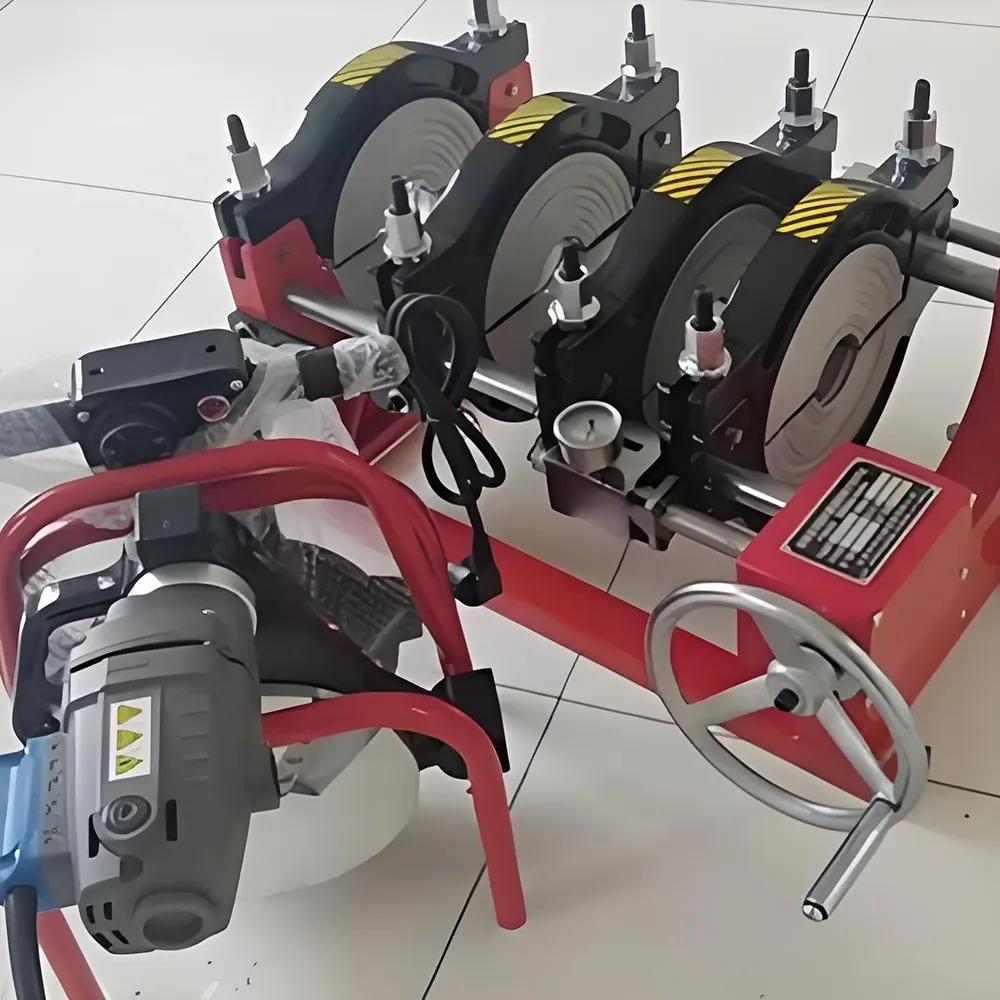
Typical Price Ranges (Reference in USD)
Below is a practical pricing table to help you benchmark options. Actual prices depend on customization, shipping, and local taxes.
| Machine Type | Typical Price Range | Best For |
|---|---|---|
| Manual Butt Fusion | $1,200 – $6,000 | Small projects, occasional repairs, low budget |
| Hydraulic Butt Fusion | $6,000 – $35,000 | Medium to large pipelines, construction sites |
| Automatic / CNC Butt Fusion | $20,000 – $150,000+ | High-volume production, precise control, large-diameter pipes |
| Multi-Angle / Fitting Machines | $10,000 – $120,000 | Fabrication shops, complex fitting production |
Interpreting the table
Lower-priced units are economical for repair teams and small contractors, while higher-priced systems pay off with increased throughput, consistent weld quality, and reduced labor per joint for utilities and pipeline contractors.
Key Features That Affect Value
- Heating plate quality: Uniform temperature and durable non-stick coatings improve joint consistency.
- Clamping range & modular jaws: Flexibility to handle different pipe sizes reduces the need for multiple machines.
- Control systems: Digital controls with data logging are essential for regulatory compliance and quality assurance.
- Portability: Lighter frames and quick-setup features lower on-site labor costs.
- Spare parts availability: Readily available parts minimize downtime and lifecycle cost.
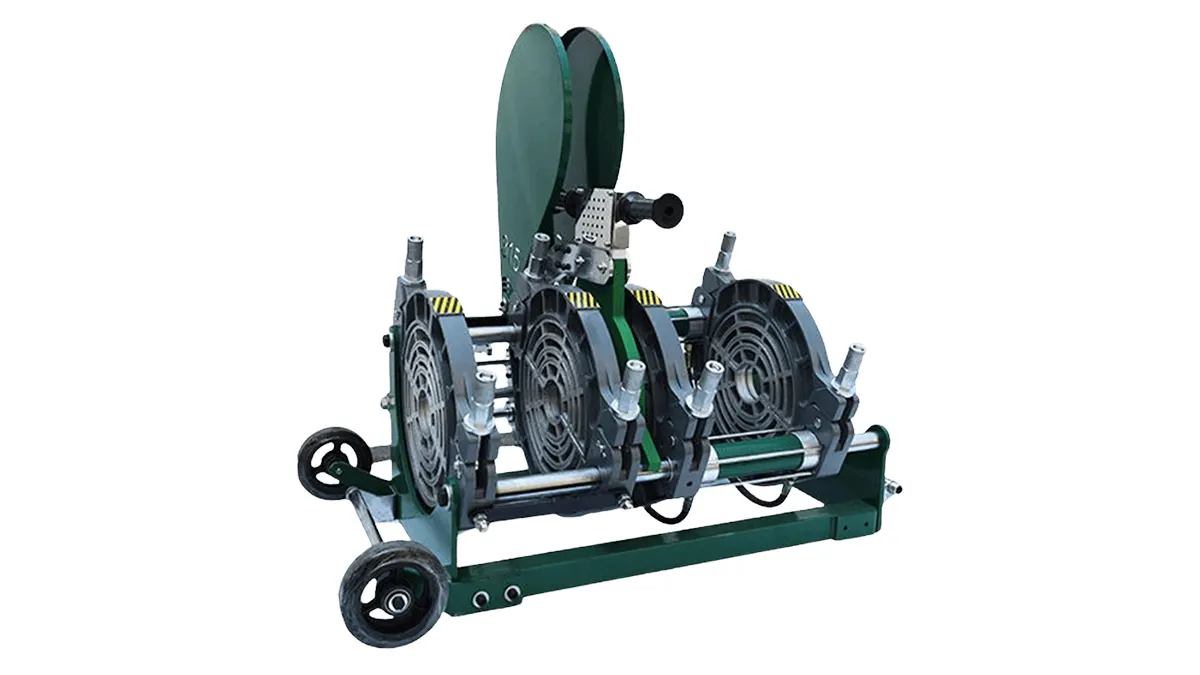
A 6-Step Checklist to Choose the Best Machine
- Define pipe size range: Choose a machine whose clamping & heating capacity matches your project mix.
- Estimate annual weld volume: Higher volumes justify automation and higher upfront investment.
- Consider site conditions: For remote sites, portability and ruggedness matter more than advanced automation.
- Assess quality controls: If certifications or long-term warranties are required, pick machines with digital logging and traceability.
- Check after-sales & training: Factor in the cost and lead time for operator training, spare parts, and maintenance contracts.
- Compare total cost of ownership: Look beyond purchase price—consider downtime, consumables, and energy consumption.
Industry-Specific Tips
Water & municipal pipelines: Prioritize weld traceability, corrosion resistance of fittings, and certified process logs. Gas distribution: Choose machines with high precision and compliance with gas industry standards. Mining & industrial: Rugged hydraulic units and easy maintenance are essential for harsh environments.
Warranty, Training & Support: Hidden Value
A lower initial price can be costly if warranty terms are short or local support is unavailable. Confirm warranty length, spare parts turnaround time, and whether operator training is included or offered at additional cost. Investing in training reduces welding errors and increases equipment lifespan.
Where to Start Your Search
For reliable butt fusion solutions and a broad product range—from manual to CNC automatic machines—consider contacting JQ-Fusion for tailored recommendations and quotation support.
Final tip: Create a short list of three machines that meet your capacity and budget, then request real-world performance data, case studies, and a complete quote that includes shipping and installation. That clear comparison will help you pick the best value—not just the lowest price.



