
What is an HDPE Electrofusion Welding Machine?
HDPE electrofusion welding machines are specialized devices used to join polyethylene pipes and fittings using electrofusion fittings with embedded heating coils. The machine provides a controlled electrical current to these coils, generating heat that fuses the fitting to the pipe wall and creates a long-lasting, leak-proof joint. This method is widely used where consistent, high-quality fusion is required in water, gas, and industrial pipeline installations.
How It Works — Step by Step
Preparation: Cut and square the pipe ends, remove oxidation and contaminants with a scraper, and align the pipe into the electrofusion fitting. Proper cleaning and preparation are essential for a reliable weld.
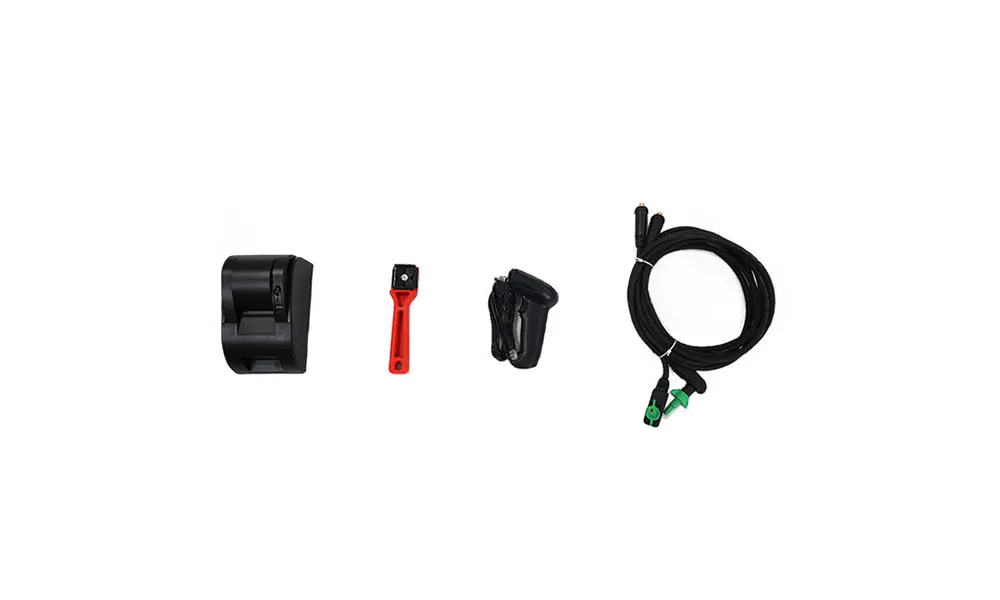
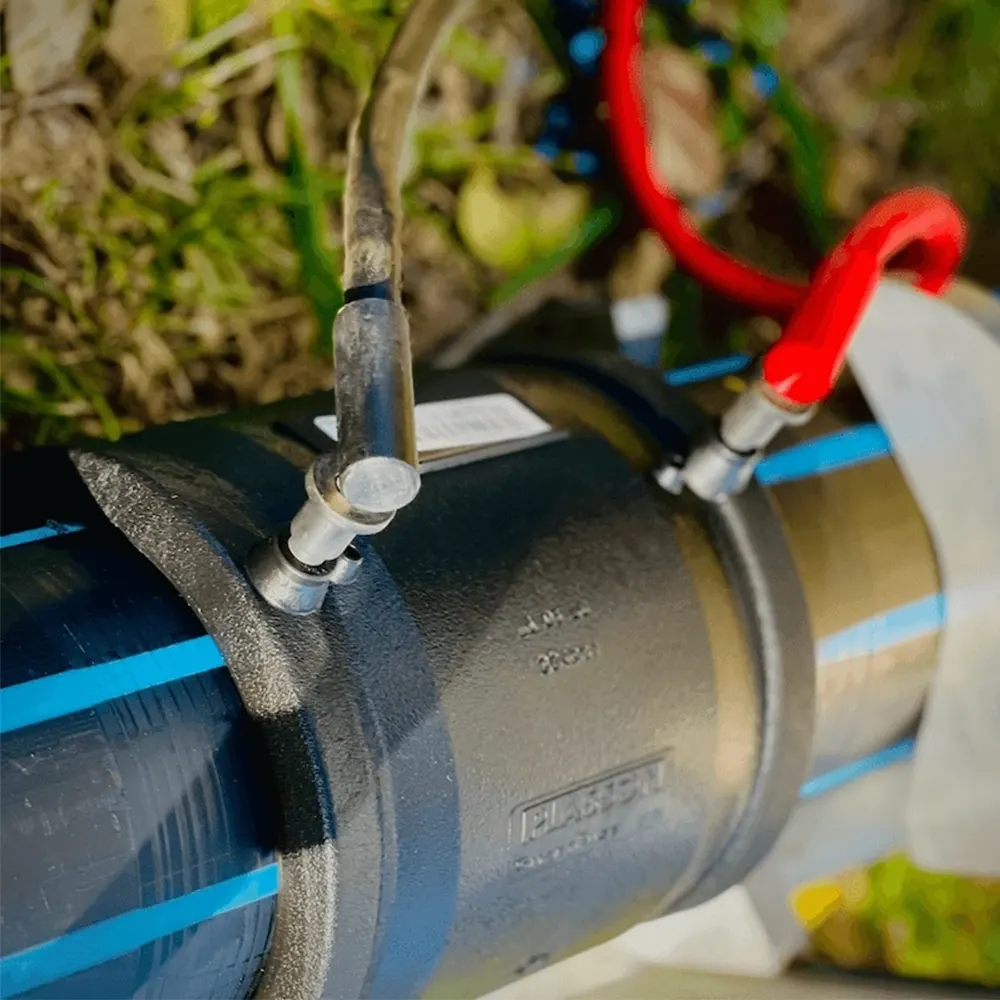
Clamping and Connection: Secure the pipe and fitting in a clamp or support to prevent movement. Connect the electrofusion welding machine to the fitting’s terminals.
Welding Cycle: The machine delivers a precisely controlled voltage and current for a programmed time. The embedded coil in the fitting heats uniformly, melting the polymer surfaces of both fitting and pipe to form a molecular bond.
Cooling & Inspection: After the welding cycle ends, a mandatory cooling period follows during which the joint must remain undisturbed. Once cooled, the joint is inspected visually and, if required, tested for leak integrity.
Key Components of a Modern Electrofusion Machine
Power Supply & Control Unit: Provides stable current and monitors welding parameters. Many models include digital logging and fault detection.
Clamps & Fixtures: Keep pipes and fittings aligned and stationary throughout the process.
Interface & Reporting: Touchscreens or handheld controllers display welding parameters, cycle progress, and can store weld records for quality control.
Benefits of Electrofusion Welding
Reliable, Leak-Free Joints: Electrofusion produces joints as strong as or stronger than the base material when correctly executed.
Ease of Use: Portable units and simple step sequences make electrofusion ideal for trench, roadside, or confined-space work.
Traceability & Quality Control: Digital machines allow welding records storage, improving compliance with project standards and audits.
Low Maintenance & Long-Term Durability: Polyethylene’s resistance to corrosion and chemical attack means joints perform well in harsh environments.
Electrofusion vs. Other Joining Methods
| Method | Typical Pipe Sizes | Strength & Use |
|---|---|---|
| Electrofusion | 20mm – 800mm (varies by fitting) | High strength, ideal for restricted access and traceable welds |
| Butt Fusion | 63mm – 2500mm | Strong full-penetration fusion, requires more space & heavier equipment |
| Mechanical Couplers | 20mm – 400mm | Quick temporary or repair solutions; lower long-term reliability vs fusion |
Typical Applications
Electrofusion welding is used across sectors where HDPE piping is preferred for its corrosion resistance and flexibility:
-
Potable water distribution
-
Gas distribution networks (with certified fittings)
-
Sewer and drainage systems
-
Industrial process lines and mining operations
Typical Welding Parameters
| Parameter | Example Range |
|---|---|
| Voltage | 3.6V – 60V (fitting dependent) |
| Welding Time | 10s – 300s |
| Cooling Time | 1–30 minutes (depending on fitting & diameter) |
| Operating Conditions | Typically -10°C to +50°C (some machines rated for wider ranges) |
Maintenance & Safety Tips
Calibration and Inspection: Regularly check clamps, cables, and the machine’s output calibration. Faulty or uncalibrated machines can produce poor welds.
Training: Operators should be trained in pipe preparation, machine operation, and cooling time requirements to ensure consistent joint quality.
Safety Precautions: Use insulated gloves, protect terminals from moisture, and follow the manufacturer’s grounding and electrical safety guidelines.
Selecting the Right Electrofusion Machine
Choose equipment based on pipe size range, portability needs, data-logging capability, and environmental considerations. For large projects or contractor fleets, machines with integrated reporting and automatic parameter control improve productivity and compliance.
Manufacturer Note
JQ-Fusion offers a range of HDPE welding solutions including electrofusion machines and accessories for water, gas, mining, and industrial projects. Visit JQ-Fusion for product specifications and support.
Quick Checklist Before Welding
-
Pipe & fitting cleanliness: No dirt, moisture, or oxidation.
-
Correct fitting code selection: Match fitting size and SDR to pipe.
-
Secure clamping: Prevent movement during weld & cooling.
-
Follow machine parameters: Use manufacturer-recommended voltage/time settings.
Want More Technical Guidance?
For detailed weld procedures, certification requirements, and machine selection tailored to your project, contact your equipment supplier or manufacturer representative. Proper planning and adherence to standards ensure durable, safe pipeline systems.



