
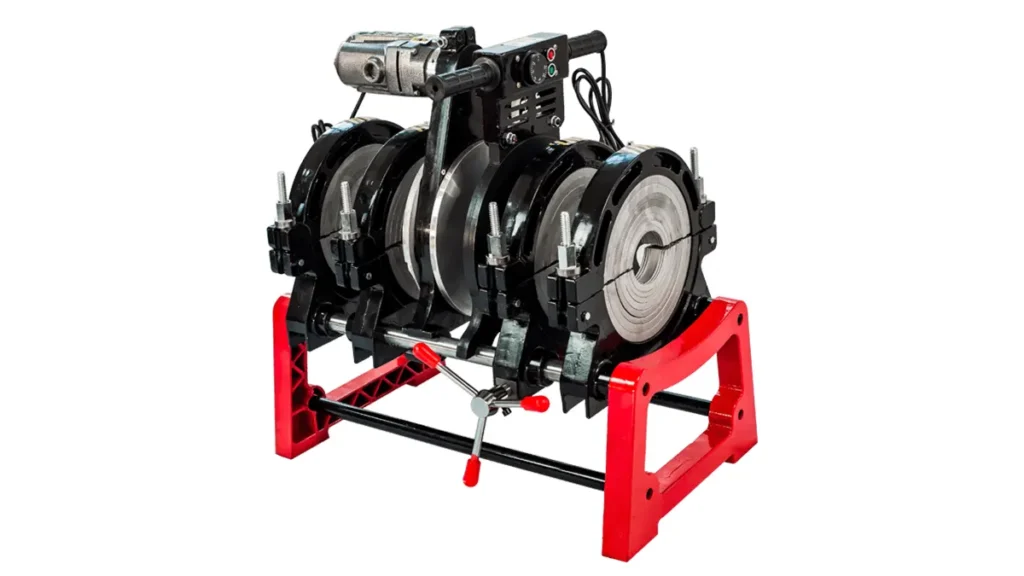
If your electric fusion welder is showing low output power, the weld quality, cycle time, and safety margins can all be compromised. This guide explains the most common causes, step-by-step troubleshooting, and reliable fixes so you can restore consistent fusion performance quickly.
How Low Output Power Shows Up (Common Symptoms)
Recognize the signs early:
-
Longer heat-up times or failure to reach set welding temperature.
-
Incomplete bead formation, cold lap, or poor fusion joints.
-
Voltage or current alarms on the control panel.
-
Tripped breakers or thermal cutouts during operation.
Top Causes of Low Output Power
-
Faulty mains supply or inadequate voltage — undervoltage, single-phasing, or poor cabling.
-
Damaged power components — worn heating elements, bad thermocouples, failing contactors, or degraded transformers.
-
Control electronics issues — power supply boards, relays, or controllers malfunction.
-
Loose or corroded connections — connectors, lugs, or terminal blocks creating resistance.
-
Cooling or ventilation problems — overheating reduces output and auto-derates equipment.
-
Incorrect settings or accessories — wrong heater plate, adapter, or incorrect program parameters.
Quick Diagnostic Table
| Cause | Symptoms | Recommended Check |
|---|---|---|
| Low mains voltage | Slow heating, alarms | Measure input voltage under load |
| Worn heating element | No heat, open circuit reading | Check resistance; replace if open/low |
| Loose connections | Intermittent power, heat drop | Tighten lugs, clean corrosion |
| Control electronics fault | Error codes, no drive | Run diagnostics, inspect boards |
Step-by-Step Troubleshooting
1. Safety first
Turn off and isolate power before any inspection. Use appropriate PPE when testing live circuits.
2. Verify incoming power
Measure voltage at the machine with it under load. Compare to rated supply. If undervoltage, check upstream distribution, fuses, and supply wiring. For three-phase welders, measure all phases for balance.
3. Inspect heater elements and thermocouples
Use a multimeter to check heater resistance. An open or dramatically changed resistance indicates element failure. Verify thermocouple continuity and correct voltage signals to the controller.
4. Check connectors and cabling
Inspect all power lugs, terminals, and cable insulation. Tighten loose connections and replace corroded terminals. High-resistance joints cause voltage drop and heat loss.
5. Test control and power electronics
Look for blown fuses, tripped relays, or failed contactors. Run manufacturer diagnostic routines if available. Replace suspect power boards or relays with OEM parts when necessary.
6. Evaluate cooling and thermal limits
Make sure fans, vents, and heat sinks are clean and functional. Overtemperature protections may throttle output; restore cooling to recover full power.
Practical Fixes and Parts to Consider
-
Replace heating elements that show open circuit or drifted resistance.
-
Repair or upgrade input wiring and supply protection (breakers, fuses) to the correct rating.
-
Renew contactors, relays, or transformers showing signs of wear or charring.
-
Replace faulty thermocouples and recalibrate the control system.
-
Clean/replace soldered connectors and terminal blocks to eliminate high-resistance joints.
Maintenance Checklist to Prevent Low Power
-
Monthly: Inspect power leads, lugs, and housings for corrosion or looseness.
-
Quarterly: Test element resistance and thermocouple accuracy; clean cooling paths.
-
Annually: Full electrical inspection and calibration by a qualified technician.
When to Contact Professional Support
Some faults require trained service technicians—contact a certified service center when you see persistent control board errors, repeat element failures, or suspect transformer damage. If replacement parts are needed, use OEM or approved components to maintain safety and warranty.
Manufacturer note: JQ-Fusion offers technical support and spare parts for butt fusion equipment. Visit https://jq-fusionwelding.com/ for product details and service guidance.
Quick Troubleshooter’s Summary
-
Measure input voltage first — many problems start there.
-
Check heater resistance and thermocouple signals next.
-
Inspect and tighten all power connections; clean corrosion.
-
If uncertain, escalate to a qualified technician—avoid temporary fixes on high-current circuits.
Following these steps will help you identify and fix most causes of low output power in electric fusion welders, restore welding quality, and reduce downtime.



