
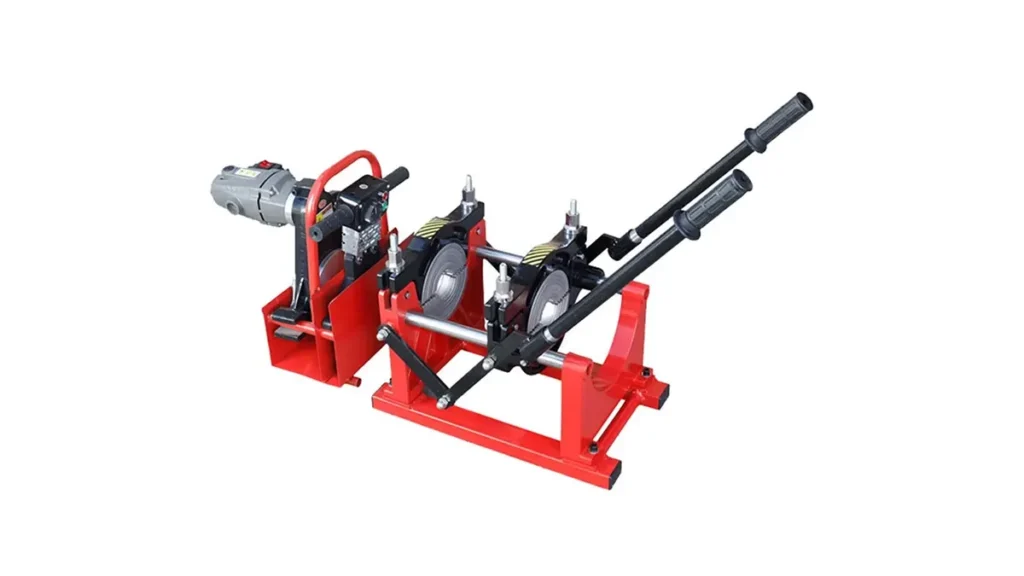
Getting pressure settings right on an HDPE pipe welding machine is essential for strong, leak-free butt fusion joints. This guide explains the practical pressure adjustment standards, testing tips, and troubleshooting steps to help operators achieve consistent fusion results across pipe sizes and materials.
Why Pressure Matters in HDPE Butt Fusion
Correct heating and consolidation depend on applying the right pressure at each stage of the butt fusion cycle: alignment, heating (face-to-face), upset (fusion), and cooling. Too low pressure produces weak joints with voids; too high pressure squeezes out too much melt, reducing joint area and creating stress concentrations. Pressure must be controlled and recorded for traceability on critical pipelines.
Key Stages and Pressure Roles
Alignment: Clamp pressure holds pipes concentric—adequate but not excessive. Heating: Minimal axial pressure maintains contact while allowing an even melt layer to form. Upset (fusion): Specified working pressure consolidates the molten interface. Cooling: Sustained pressure ensures joint integrity while solidifying.
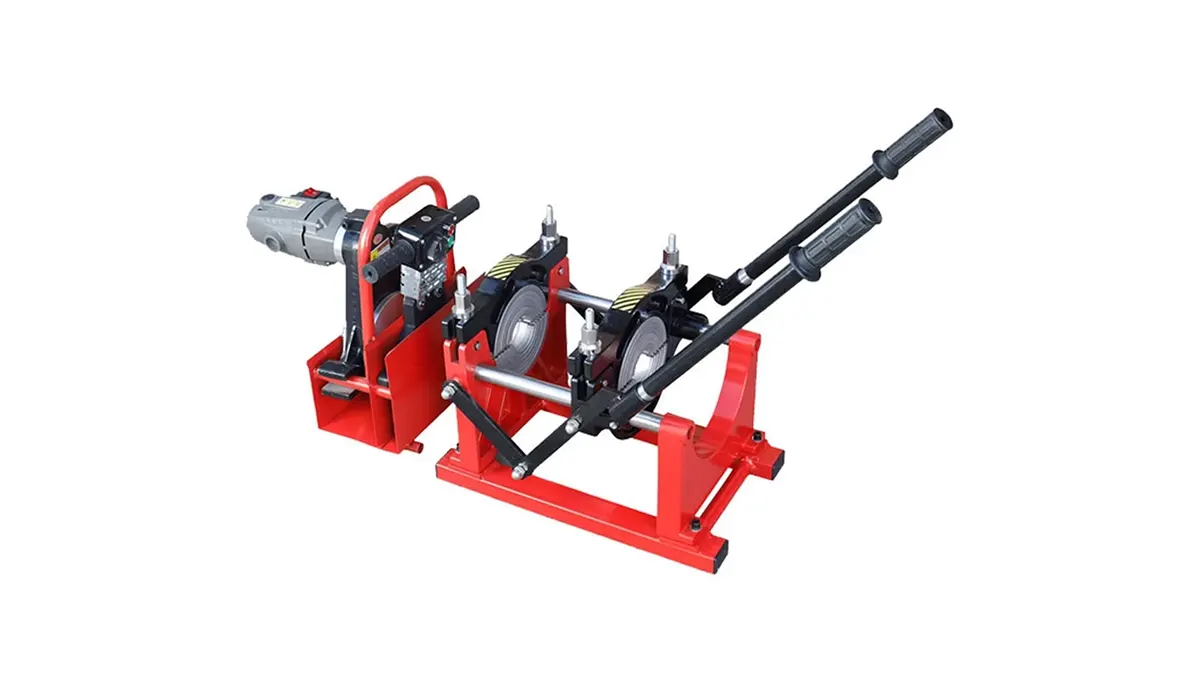
Standard Pressure Ranges by Pipe Size (Practical Reference)
The table below provides typical working pressure guidance used in field butt fusion operations. These are practical ranges—always confirm with material supplier specs and applicable codes (e.g., ISO 21307, ASTM F2620) for your project.
| Pipe OD (mm) | Heating/Face Contact (kPa) | Upset/Working Pressure (kPa) | Cooling Hold (kPa) |
|---|---|---|---|
| 20 – 63 | 50 – 150 | 150 – 400 | 150 – 350 |
| 75 – 160 | 80 – 200 | 300 – 800 | 300 – 700 |
| 180 – 400 | 120 – 250 | 800 – 2200 | 700 – 2000 |
| > 400 (Large diameter) | 150 – 300 | 2000 – 8000 (depends on SDR) | 1500 – 7000 |
Interpreting the Table
The upset/working pressure depends on pipe wall thickness (SDR), polyethylene grade (PE80, PE100), and heating time. Use the mid-range as a starting point and adjust based on observed bead height and fusion bead profile. Measure bead size after each weld to validate pressure settings for repeatability.
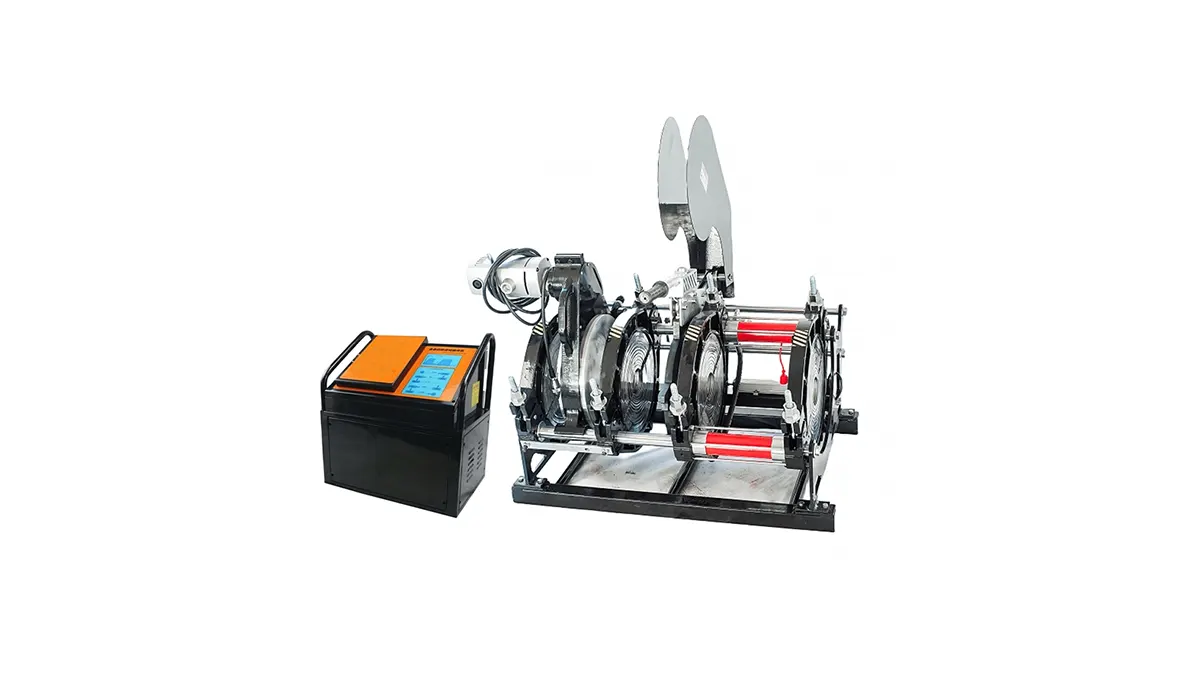
Step-by-Step Pressure Adjustment Procedure
1. Pre-checks and Setup
Inspect clamps, hydraulic hoses, and pressure gauge calibration. Ensure the machine base is level and pipes are cut squarely. Set clamps just tight enough to center pipes without deforming the OD.
2. Heating Stage
Apply small contact pressure to maintain heater face contact. Monitor temperature—heater plate must reach specified temperature (commonly 200-260°C depending on material). Avoid excessive axial load at this stage.
3. Remove Heater and Apply Upset Pressure
Increase axial pressure smoothly to the target working pressure. Maintain until the required melt upset is achieved (measured by bead formation and specified upset distance). Release pressure slowly if manual machines require staged release.
4. Cooling and Hold
Keep axial pressure constant during cooling to solidify the joint. Do not move the assembly until the joint has cooled to a safe handling temperature per the welding procedure.
Quality Control and Testing
Record pressure values and times for each weld. Recommended QC checks include visual bead inspection, destructive testing (butt fusion tensile or peel tests) on sample joints, and non-destructive tests such as ultrasonic or hydrostatic pressure testing of the pipeline. Regularly calibrate pressure transducers and gauges.
Troubleshooting Common Pressure Issues
- Undersized bead or voids: Increase working pressure slightly and review heating time/temperature.
- Excessive squeeze-out or thin bead: Reduce upset pressure or shorten upset time.
- Asymmetric beads: Check alignment and clamp concentricity; re-center and re-weld.
- Pressure drift during cycle: Inspect hydraulic system for leaks, air in lines, or worn seals; calibrate gauge.
Best Practices for Field Operators
Always follow a validated welding procedure specification (WPS) for your pipe material and SDR. Train operators on pressure profiles and bead inspection criteria. Keep a weld log with machine ID, operator, ambient conditions, pressure/time/temperature records, and photos for traceability.
When to Consult the Manufacturer
If pressure requirements exceed machine capacity, or if repeated failures occur despite correct parameters, consult equipment or material manufacturers. For reliable butt fusion equipment tailored to different diameters and pressure capabilities, visit JQ-Fusion at their official site for model options and technical support.
Quick Checklist Before Welding
– Clean, square pipe ends
– Calibrated pressure gauge
– Correct heater plate temperature
– Clamps centered and secure
– Recordkeeping ready



