
Understanding the ideal welding temperature for plastic pipes is essential for strong, leak-free joints. This guide explains recommended temperature ranges for common thermoplastics, factors that affect heating, practical welding steps, and inspection tips so technicians and project managers can ensure consistent, durable results.
Why Welding Temperature Matters
Temperature controls molecular flow at the joint interface. If it’s too low, the materials won’t fuse properly and the joint will be weak; if it’s too high, the polymer can degrade, causing embrittlement, voids, or excessive flashing. Consistent, controlled temperatures deliver repeatable mechanical strength and long-term performance.
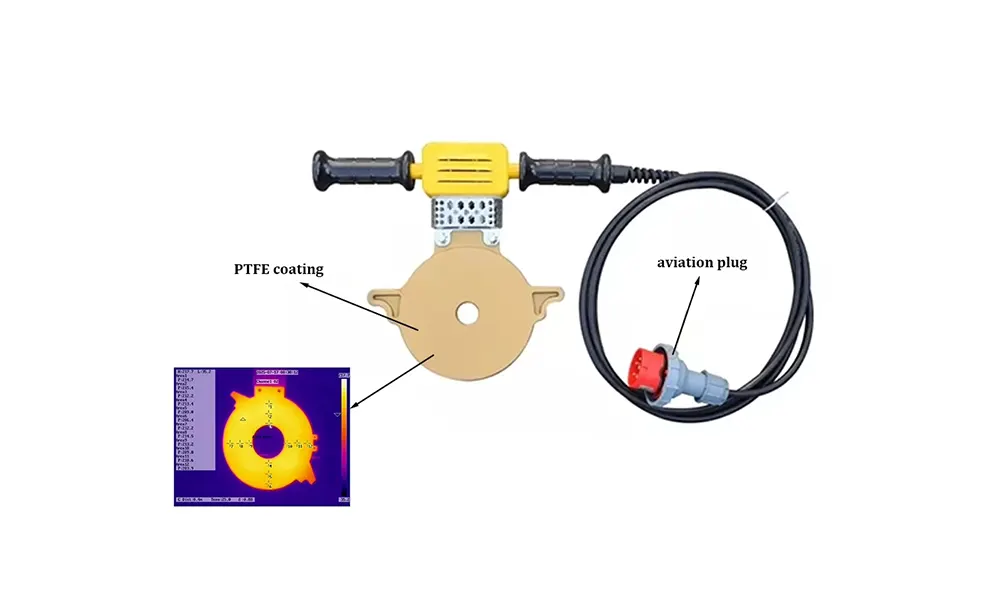
Typical Temperature Ranges by Material
| Material | Butt Fusion (°C) | Electrofusion (°C) | Notes |
|---|---|---|---|
| HDPE (PE100 / PE80) | 200 ± 10 | 250–270 (local heater) | Most common; follow manufacturer & ISO/ASTM guidelines |
| MDPE / LDPE | 180–200 | 230–260 | Lower melts; reduce heat/time |
| PP (Polypropylene) | 220–240 | 270–300 | Higher crystallinity; strict control needed |
| PVDF | 260–280 | — | High-performance polymer; consult datasheet |
Key Factors That Change the Ideal Temperature
Polymer type: Different resins have distinct melting ranges; always start with manufacturer datasheets.
Pipe diameter & wall thickness: Larger cross-sections require longer heat soak and sometimes slightly higher plate temps to achieve uniform melt.
Ambient temperature: Cold or windy conditions increase heat loss; compensate by increasing heater time or preheating the joint ends.
Equipment accuracy: Heating plate calibration, thermocouple placement, and machine pressure control directly affect effective melt — maintain and calibrate regularly.
Pipe Diameter and Wall Thickness
As diameter and SDR (standard dimension ratio) increase, heating must penetrate to the neutral axis. For large-diameter HDPE (≥500 mm), extend heating time and monitor bead formation carefully to avoid under-fusion at the center.
Ambient Conditions & Surface Cleanliness
Wind, rain, and extreme cold require site mitigation — windbreaks, heated shelters, or longer heating cycles. Surface contaminants (soil, oil, oxidation) reduce heat transfer; trimming/facing and cleaning are vital before heating.
Machine Type & Heating Plate Calibration
Manual heating plates depend on operator timing; automatic machines control plate temperature and fusion pressure for repeatability. Always verify plate surface temperature with a calibrated pyrometer and follow the machine manufacturer’s recommended settings.
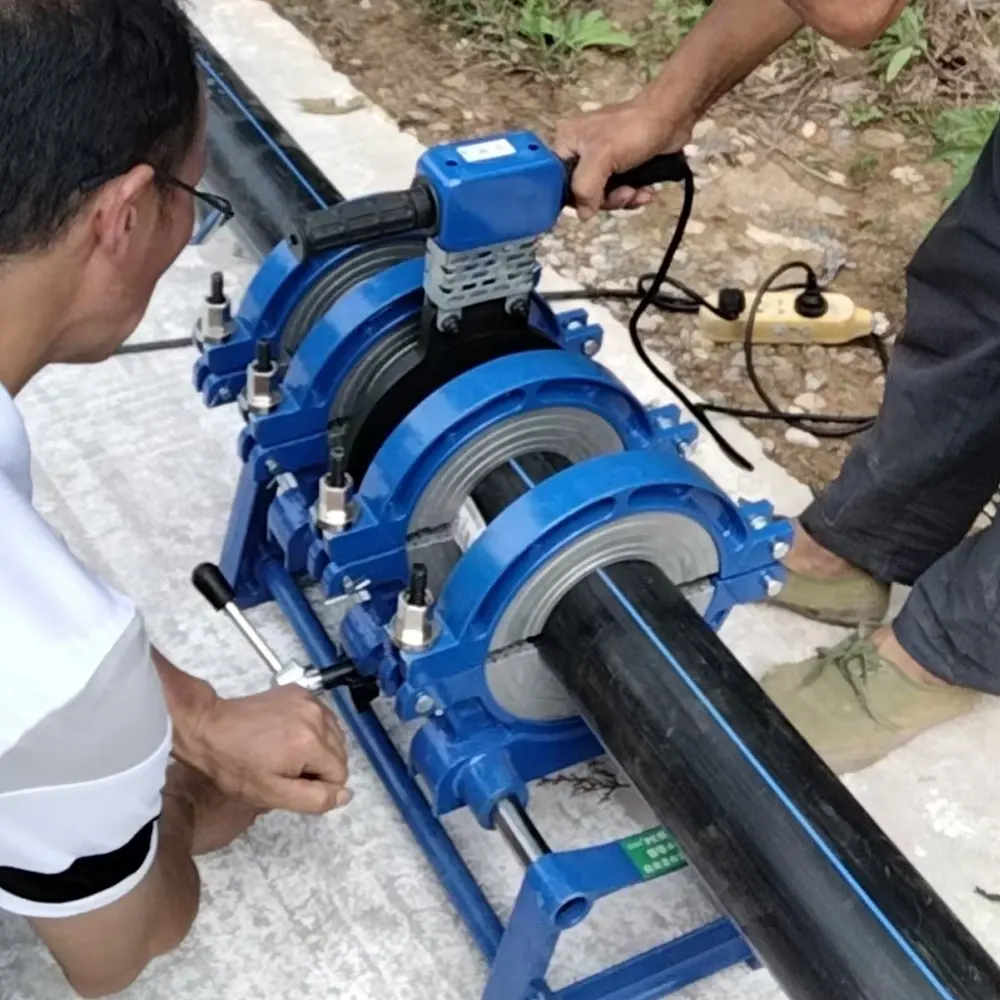
Practical Step-by-Step Temperature Guidelines
1. Alignment & Clamping: Align pipe ends and secure clamps. Poor alignment creates uneven heating and weak joints.
2. Facing (Pre-trim): Use the trimmer to squarely face pipe ends. Clean any debris.
3. Heating (Butt Fusion): Bring the hot plate to target temperature (see table). Apply the heated plate between ends under slight pressure until a uniform melt bead forms. Typical HDPE: 200 ± 10°C.
4. Fusion / Hold: Remove the plate and bring ends together under controlled pressure for the specified melt/soak time — this depends on diameter and material; follow standards (e.g., ISO 21307, ASTM F2620) or machine guidance.
5. Cooling: Maintain pressure until the joint cools below the recommended temperature to prevent stress: cooling time typically longer for larger diameters.
Temperature Measurement & Quality Assurance
Always use calibrated measurement tools: infrared pyrometers for plate surface, thermocouples for process verification, and built-in machine sensors. Record weld parameters (plate temp, pressure, times) for traceability. Destructive and non-destructive testing (peel tests, visual bead inspection, ultrasonic) validate joint integrity.
Common Problems, Temperature Causes & Fixes
Cold weld (low strength): Cause — insufficient plate temperature or heating time. Fix — increase temp/time, check facing quality, verify plate calibration.
Overheated or degraded joint: Cause — excessive plate temperature or prolonged heating. Fix — reduce temperature, shorten heat dwell, inspect polymer for signs of burning.
Excessive flash or bubbles: Cause — improper pressure control or trapped moisture. Fix — ensure correct fusion pressure and dry surfaces before welding.
Choosing the Right Welding Machine
Automatic and hydraulic butt fusion machines provide tighter control over temperature, pressure and timing, improving repeatability across many joints. For reliable equipment tailored to infrastructure projects, consider professional HDPE welding solutions from JQ-Fusion.
Final Tips
Use manufacturer datasheets and relevant standards as the baseline. Calibrate equipment regularly and adapt heating cycles for site conditions and pipe dimensions. Proper documentation and inspection ensure welded networks remain safe and long-lasting.



