
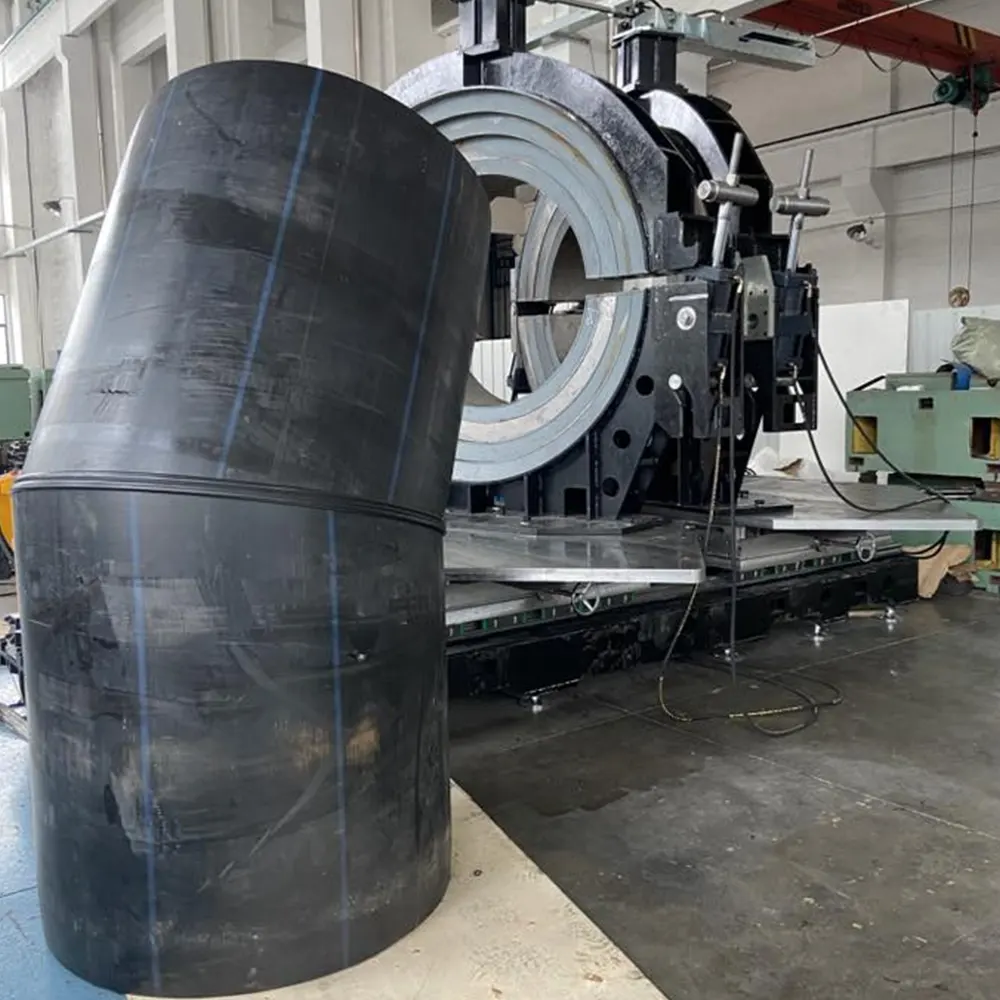
Pipeline welding compliance is not only a technical requirement; it is a safety commitment, a quality promise, and a long-term reliability standard. In critical infrastructure such as water supply networks, gas distribution systems, mining lines, and industrial pipelines, every welded joint must meet strict expectations for strength, consistency, traceability, and environmental safety. When welding work is performed correctly, a pipeline can operate for decades with minimal risk. When compliance is ignored, the result can be leaks, pressure loss, contamination, costly shutdowns, or even serious accidents.
The compliance standards for pipeline welding are built around three core goals: protecting people, protecting the pipeline system, and protecting the project investment. These standards cover material selection, welder qualification, welding procedures, machine calibration, inspection methods, testing requirements, documentation, and final acceptance. Whether a project uses steel, HDPE, or other thermoplastic pipe, the welding process must follow approved codes and project specifications. In modern fusion applications, equipment choice is especially important, and many contractors rely on a butt fusion machine to achieve stable joint quality and repeatable performance.
Key compliance principle: a welded joint is only compliant when the procedure, the operator, the equipment, and the inspection record all meet the required standard. A visually good weld is not enough if the process cannot be traced, tested, and approved.
1. The Purpose of Compliance in Pipeline Welding
Compliance standards exist to make sure every welded joint performs safely under real operating conditions. Pipelines may carry drinking water, natural gas, slurry, chemicals, or industrial fluids, and each medium presents different risks. A compliant weld must withstand internal pressure, external loads, temperature changes, vibration, soil movement, and long-term exposure to the operating environment.
For project owners, compliance reduces future maintenance and emergency repair costs. For contractors, it provides a measurable quality framework. For inspectors and regulators, it creates a clear basis for acceptance. In practice, compliance is what turns welding from a manual task into a controlled engineering process.
2. Main Standards That Govern Pipeline Welding
Pipeline welding requirements vary by region, industry, material, and application. However, several standard families are widely recognized in global projects. These may include construction codes, pressure pipeline codes, plastic pipe fusion standards, and quality management systems. Common references often define procedure qualification, welder certification, inspection criteria, and testing methods.
For thermoplastic pipelines, standards often focus on fusion temperature, heating time, alignment, pressure control, and cooling cycles. For steel pipelines, standards usually address weld metal selection, preheat and post-weld treatment, weld bead geometry, destructive and non-destructive testing, and defect limits. The project specification usually decides which code applies, and the contractor must prove compliance before production welding begins.
Common compliance categories include: design code, material specification, welding procedure qualification, operator qualification, inspection and testing, documentation control, and final handover records.
3. Material Compliance and Pipe Traceability
Before any welding starts, the pipe and fitting materials must be verified. This means confirming grade, diameter, wall thickness, pressure rating, batch number, and storage condition. Materials should be free from damage, contamination, deformation, and moisture issues that could weaken the weld. Proper traceability is a major compliance requirement because every joint must be linked to approved material records.
On HDPE projects, traceability is especially important because fusion quality depends on material compatibility and clean joint preparation. On metal pipelines, traceability also helps ensure that filler metals, base metals, and consumables are correctly matched. Without traceability, quality control becomes difficult and acceptance may be delayed or rejected.
4. Welder Qualification and Training Requirements
A welding process can only be compliant if the operator is qualified to perform it. Welders and fusion technicians must demonstrate skill through training, testing, and certification based on the required code. Qualification usually covers joint preparation, machine operation, parameter control, defect recognition, safety practices, and repair procedures.
In many projects, operators must also prove they can work under field conditions, not only in training environments. This matters because wind, dust, temperature, power stability, and pipe handling all affect actual performance. A well-trained technician understands how to keep the process within specification even when site conditions are difficult.
Important note: operator qualification is not a one-time formality. Many standards require periodic renewal, retraining, or requalification when process types, materials, or welding positions change.
5. Welding Procedure Specification and Approval
A welding procedure specification, often called a WPS, is the written instruction that defines how a weld must be made. It includes process type, joint design, heat input, pressure settings, bead profile, cooling rules, equipment settings, and acceptance limits. For pipeline welding, this document is essential because it creates a repeatable method that can be audited and verified.
Before production welding, the procedure may need formal qualification testing. This confirms that the method can produce a strong and durable joint. Once approved, the welding team must follow the procedure exactly. Any major change in pipe size, material grade, or machine configuration may require revalidation.
6. Equipment Compliance and Calibration
Welding equipment must be fit for purpose, properly maintained, and calibrated. Compliance standards often require proof that temperature control, pressure systems, alignment mechanisms, and timing functions are accurate. If the machine is not reliable, the weld quality becomes unpredictable.
This is one reason professional contractors choose stable, well-tested equipment with strong technical support. For example, manufacturers with strict quality control, such as those producing hydraulic and CNC automatic fusion systems, help reduce process variation and improve field consistency. Equipment records should also include maintenance logs, service intervals, and repair history to support compliance during inspection.
- Temperature accuracy must stay within the specified range.
- Hydraulic pressure stability must remain consistent during the fusion cycle.
- Clamp alignment must hold the pipe ends perfectly centered.
- Timing control must match the approved procedure.
If the project uses automatic fusion systems, the machine should provide clear digital records where possible. That improves traceability and supports easier quality verification. Equipment with dependable performance also helps contractors meet tight schedules without sacrificing compliance.
7. Joint Preparation and Site Conditions
Even when the machine and operator are compliant, poor site preparation can still cause failure. Pipe ends must be cut correctly, cleaned thoroughly, and aligned precisely. The welding area should be protected from contamination, rain, excessive wind, and unstable foundations. In fusion welding, cleanliness and stability directly affect the final joint strength.
Standards typically require inspection of pipe surfaces before fusion begins. Scratches, oxidation, dust, oil, and moisture can all weaken bonding. For long-distance pipeline installations, teams often prepare a controlled work zone to ensure each joint is made under consistent conditions. This is especially important in gas, water, and mining projects where service interruption is costly.
8. Inspection, Testing, and Acceptance Criteria
Compliance does not end when the weld cools. Every project must define how welds will be inspected and tested. Visual inspection is the first step, but many systems also require pressure testing, non-destructive testing, or destructive sample testing depending on the code and application. Inspection confirms that the weld meets geometric and structural expectations.
Acceptance criteria often include bead shape, fusion width, alignment, absence of cracks, acceptable surface finish, and verified pressure integrity. For critical lines, a weld may also need documentation showing that all process parameters stayed within limits. If a defect is found, the repair method must follow an approved procedure, and the repair must be re-inspected.
Compliance is strongest when inspection is layered: visual checks, parameter review, and final performance testing work together to reduce risk.
9. Documentation and Traceability Records
A compliant welding project must leave a complete paper trail or digital record. Documentation may include material certificates, operator qualifications, procedure approvals, machine calibration reports, inspection forms, test results, and final acceptance documents. These records prove that the pipeline was built according to specification and allow future maintenance teams to understand how the system was installed.
Good documentation also supports warranty claims, troubleshooting, and regulatory audits. In large projects, strong recordkeeping can save significant time during handover because every weld can be traced to the exact procedure, technician, and inspection result. Without this evidence, compliance claims are far weaker.
10. Safety Requirements in Pipeline Welding
Safety is a major part of compliance. Welders and support crews must follow procedures for heat protection, electrical safety, handling heavy equipment, ventilation, and emergency response. On pressurized pipeline projects, safety also includes isolation, lockout, and controlled testing to avoid accidental release of energy or fluid.
Personal protective equipment, work area control, and jobsite supervision all contribute to safe and compliant welding. A project that ignores safety can quickly become non-compliant, even if the welds themselves are technically sound. For that reason, compliance standards usually treat safety as part of overall quality management.
11. Common Compliance Challenges
Many projects fail compliance not because standards are unclear, but because execution is inconsistent. Common problems include poor machine calibration, unqualified operators, contaminated pipe surfaces, incomplete records, rushed cooling cycles, and weak supervision. Supply chain issues can also create problems if the wrong pipe grade or fitting type arrives on site.
The best way to avoid these issues is to build a quality system before welding begins. That means reviewing the procedure, checking the equipment, training the team, confirming material traceability, and preparing the inspection plan. When each step is controlled, compliance becomes much easier to achieve and maintain.
12. Why Reliable Equipment Supports Compliance
Reliable welding equipment is not just a productivity tool; it is a compliance tool. Stable performance improves joint consistency, reduces operator error, and makes inspection easier. Manufacturers with strong engineering capability, modern production lines, and strict quality control can support projects that need dependable results across different pipe sizes and conditions.
Contractors working on global pipeline installations often prefer equipment that supports customization, fast delivery, and technical guidance. This becomes especially valuable when projects require different voltages, machine sizes, or site-specific configurations. In practice, good equipment and good compliance work together.
13. How Contractors Can Build a Compliance-First Workflow
A compliance-first workflow starts with planning and ends with documentation. First, confirm the applicable code and project specification. Second, verify material certificates and storage conditions. Third, qualify the procedure and the operator. Fourth, calibrate and inspect the equipment. Fifth, control the site environment and follow the approved sequence. Finally, inspect, test, and archive the records.
When these steps are repeated consistently, compliance becomes part of the project culture rather than a last-minute inspection issue. That is the most effective way to protect quality, schedule, and budget in pipeline welding work.
Practical takeaway: the best pipeline welding teams do not “inspect quality at the end”; they build compliance into every stage of the job.
FAQ
Q1: What is the most important standard in pipeline welding?
It depends on the material and application, but the most important standard is the one specified by the project code and engineering documents. All welding work must follow that approved requirement.
Q2: Why is welder qualification necessary?
Qualification proves that the technician can make compliant welds consistently under real working conditions. It reduces the risk of defects and improves project reliability.
Q3: Do fusion machines need calibration?
Yes. Calibration helps confirm that temperature, pressure, alignment, and timing are accurate. Without calibration, compliance and weld quality become difficult to guarantee.
Q4: What documents are usually required for compliance?
Typical documents include material certificates, procedure approvals, welder qualifications, calibration records, inspection forms, and final test reports.
Q5: How can contractors improve welding compliance on site?
They can improve compliance by using qualified personnel, controlled procedures, reliable equipment, clean work conditions, and complete traceability records from start to finish.



