
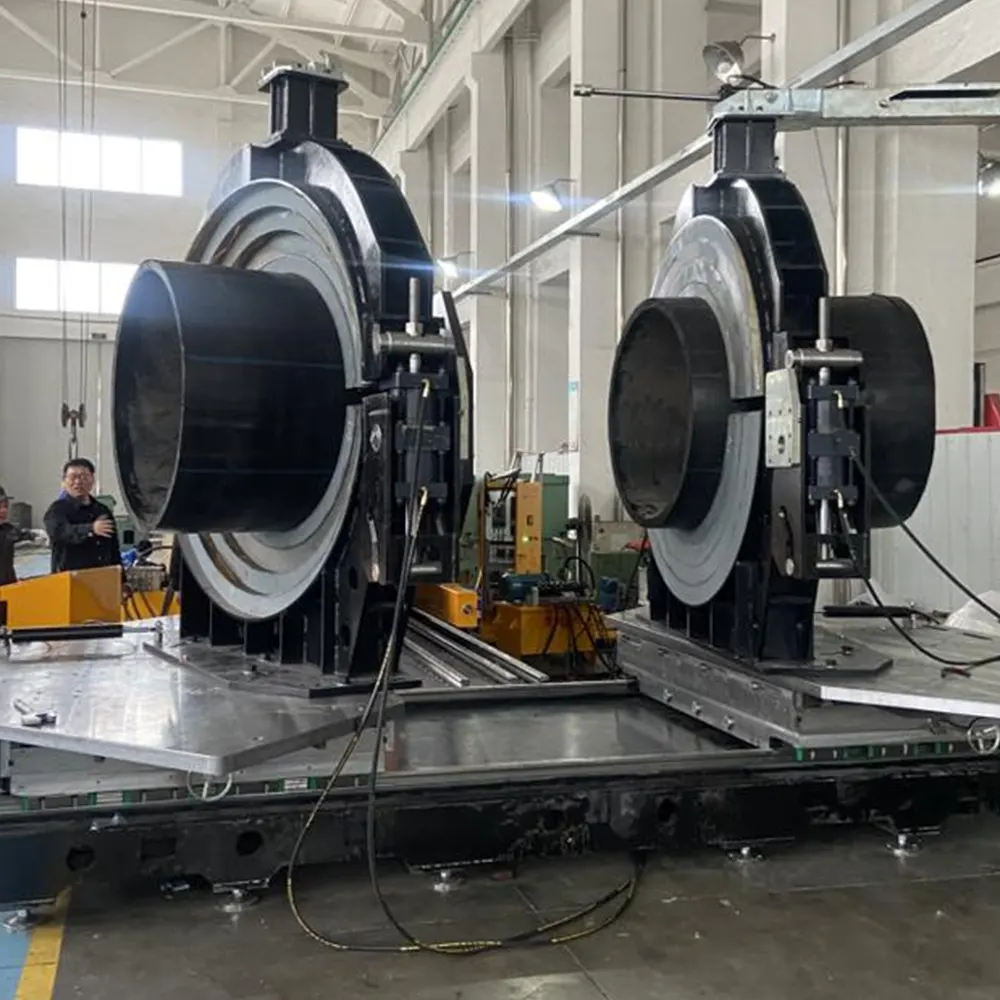
HDPE pipe weld strength testing is one of the most important quality checks in modern pipeline construction. Whether a project is used for water supply, gas distribution, mining, or industrial transport, the long-term safety of the system depends on the reliability of each welded joint. A weld may look neat from the outside, but its true performance must be proven through testing methods that evaluate strength, consistency, and resistance to failure.
In practice, the testing process begins long before the joint is put under load. Operators must confirm that the welding machine is calibrated correctly, the pipe ends are clean and aligned, and the heating, pressure, and cooling stages follow the required parameters. This is why professional equipment and proper process control are so important. Many contractors rely on trusted manufacturers such as butt fusion machine suppliers to ensure stable welding conditions and repeatable results.
For HDPE, strength testing is not just about breaking a sample. It is about understanding whether the fusion zone has become as strong as, or nearly as strong as, the base pipe material. A high-quality weld should transfer stress smoothly across the joint without weak points, voids, or contamination. To verify this, manufacturers, contractors, and inspectors use both destructive and non-destructive testing methods depending on the project requirement and applicable standards.
⭐ Key idea: A strong HDPE weld is not judged by appearance alone. Real strength is confirmed by controlled testing, accurate welding parameters, and strict quality inspection throughout the entire process.
Why HDPE Weld Strength Testing Matters
HDPE piping systems are widely chosen because they are flexible, corrosion-resistant, lightweight, and durable. However, the joint area is always the most critical part of any installation. If the weld is weak, the entire pipeline can become vulnerable to leakage, cracking, deformation, or even complete failure under pressure.
Strength testing helps confirm that the fusion process has created a homogeneous bond. In a well-executed butt fusion joint, the pipe ends are heated to the correct temperature, pressed together under controlled force, and allowed to cool without disturbance. When done properly, the weld should behave like a continuous section of pipe. Testing proves whether that has truly happened.
✔ Important: Strength testing also protects project owners, contractors, and operators by reducing the risk of costly repairs, unplanned shutdowns, and future safety incidents.
Main Methods Used to Test HDPE Pipe Weld Strength
Different methods are used depending on the stage of the project, the required level of assurance, and the applicable engineering specification. The most common methods include visual inspection, destructive testing, peel testing, bend testing, tensile testing, and hydrostatic pressure testing.
1. Visual Inspection
Visual inspection is the first and simplest check. The operator examines the weld bead, alignment, surface finish, and overall symmetry. A good butt fusion joint usually shows even beads on both sides and no visible contamination, burn marks, or severe misalignment. While visual inspection cannot confirm internal strength, it can quickly identify obvious process errors.
Typical issues detected during visual inspection include:
• Excessive bead size or irregular bead shape
• Pipe misalignment or ovality problems
• Contamination from dust, moisture, or grease
• Overheating or underheating signs
• Poor clamp positioning
2. Destructive Testing
Destructive testing is commonly used in laboratories, qualification trials, and sample verification. As the name suggests, the test destroys the joint in order to measure its actual mechanical behavior. This method is highly effective for evaluating whether the weld has proper fusion and sufficient strength.
Two popular destructive methods are peel testing and tensile testing. In peel testing, the joint is pulled apart to see whether the fusion layer separates cleanly or fails within the base material. In tensile testing, the sample is stretched until it breaks, allowing inspectors to assess the ultimate strength of the weld.
🔧 Note: If the failure occurs in the pipe body rather than the weld line, it is often considered a sign of excellent fusion quality.
3. Bend Testing
Bend testing checks whether the welded section can resist flexing without cracking or delaminating. The sample is bent in a controlled way to expose weaknesses in the fusion zone. This method is especially useful for identifying hidden defects that may not appear during visual inspection.
A successful bend test suggests that the joint has good ductility and that the heat-affected zone was formed properly. If cracks or separation occur, it may indicate poor temperature control, insufficient fusion time, or contamination during the welding cycle.
4. Hydrostatic Pressure Testing
Hydrostatic testing is one of the most important field tests for completed pipeline systems. The pipeline is filled with water and pressurized to a level specified by the project standard. The system is then monitored for leaks, pressure drops, or visible failures. This test does not measure weld strength directly in a laboratory sense, but it is a practical way to confirm the integrity of welded joints under operating conditions.
Because HDPE pipes are often used in water and utility networks, hydrostatic testing is widely accepted as a reliable final check before commissioning. It helps prove that the entire pipeline, including all welded joints, can handle the expected working conditions safely.
Factors That Influence Weld Strength
Several variables can influence whether an HDPE weld passes or fails strength testing. Understanding these factors is essential for achieving consistent results across different projects and environments.
⭐ Core factors include: pipe material quality, surface cleanliness, heating plate temperature, fusion pressure, cooling time, clamp alignment, and operator skill.
Temperature accuracy is especially important. If the heating plate is too hot, the pipe ends may degrade rather than fuse correctly. If it is too cool, the melted surfaces may not bond fully. Pressure must also be controlled carefully. Too much pressure can squeeze out molten material excessively, while too little pressure can leave weak fusion zones.
Another critical factor is preparation. The pipe ends must be cut square, cleaned thoroughly, and aligned properly in the machine clamps. Even a small amount of dust or oil can reduce weld quality. This is why advanced equipment with stable temperature control and accurate hydraulic systems is highly valuable in real project conditions.
How Professional Equipment Improves Testing Results
Reliable test results start with reliable welding equipment. Professional butt fusion machines help ensure that every joint is produced under controlled and repeatable conditions. This is particularly important for contractors who need consistent quality across many welds and multiple project sites.
Manufacturers like JQ-Fusion focus on stable performance, accurate control systems, and strict inspection before delivery. Their machines are designed for manual, hydraulic, and CNC automatic operation, making them suitable for different pipe diameters and project scales. When the welding process is stable, strength testing becomes more meaningful because the joint quality is not affected by unnecessary process variation.
For more product information and project support, users often review specifications and technical details from trusted suppliers. In demanding pipeline applications, a dependable machine can significantly improve pass rates during inspection and reduce rework on site.
✅ Practical benefit: Better equipment means more accurate heat control, smoother pressure application, and stronger weld consistency, which directly improves the likelihood of passing strength tests.
Testing Standards and Quality Assurance
HDPE weld strength testing is usually guided by project specifications, industry standards, and quality control procedures. These requirements may vary by country, application, and pipe class, but they generally require proper welding records, qualified operators, and test samples that prove joint performance.
Quality assurance is not limited to the test itself. It begins with machine calibration and continues through welding, cooling, sample preparation, and result documentation. In professional projects, each weld may be logged with details such as operator name, pipe size, fusion time, pressure setting, and ambient conditions. This record helps trace any issue later and supports compliance with inspection requirements.
Some manufacturers also perform factory-level testing on their welding machines to verify temperature accuracy, hydraulic pressure stability, and clamp alignment. These checks support stronger field performance and help customers achieve more reliable welding outcomes from the start.
Common Signs of a Weak HDPE Weld
A weak weld often shows warning signs during inspection or testing. Recognizing these signs early can prevent major failures later in the project.
⚠ Warning signs may include: uneven bead formation, visible gaps, brittle fracture during testing, poor fusion at the interface, or repeated failure under pressure.
If any of these problems appear, the welding procedure should be reviewed immediately. The cause may be improper temperature, insufficient heating time, contaminated surfaces, or mechanical issues with the machine. Correcting the problem quickly helps protect both the project timeline and the integrity of the pipeline.
Best Practices for Achieving High Weld Strength
High-strength HDPE welds are the result of disciplined preparation, proper equipment, and trained operation. Before welding begins, the pipe ends should be cleaned, trimmed, and securely clamped. The heating plate must be at the correct temperature, and the fusion cycle should follow the recommended procedure without shortcuts.
Operators should also allow full cooling time before moving or stressing the joint. Early handling can weaken the fusion zone and reduce test performance. In addition, regular maintenance of the welding machine helps keep pressure systems, heaters, and clamps in optimal condition.
When teams combine good training with dependable machines and thorough inspection, the result is stronger welds and more successful test outcomes. This is why many contractors choose suppliers with strong manufacturing capability, OEM/ODM flexibility, and full technical support for global pipeline projects.
Conclusion
HDPE pipe weld strength testing is essential for ensuring the safety, durability, and performance of modern pipeline systems. Through visual inspection, destructive sample testing, bend testing, and hydrostatic pressure checks, engineers can confirm whether a joint has been fused correctly and can withstand real operating conditions. Strong welds depend on precise process control, clean preparation, and reliable equipment. When these factors come together, the result is a pipeline that performs well for years with minimal risk.
FAQs
Q1: How do you know if an HDPE weld is strong?
A strong weld usually shows even bead formation, proper alignment, and successful test results such as peel, tensile, or pressure testing without failure at the fusion line.
Q2: Is visual inspection enough to confirm weld strength?
No. Visual inspection is useful for spotting obvious problems, but it cannot fully verify internal bond strength. Additional testing is often required.
Q3: What is the most common destructive test for HDPE welds?
Peel testing and tensile testing are commonly used to evaluate how the welded joint performs under mechanical stress.
Q4: Why is temperature control so important in butt fusion welding?
Correct temperature ensures proper melting and fusion. Too much or too little heat can seriously reduce joint strength.
Q5: Can a completed pipeline be tested without destroying the welds?
Yes. Hydrostatic pressure testing checks the integrity of the whole pipeline system in the field without damaging the welds.



