
HDPE butt fusion machines deliver leak-free, long-lasting joints for polyethylene pipe systems. Whether you specify manual, hydraulic, or CNC automatic units, choosing the right welding equipment ensures consistent fusion quality, reduced downtime, and compliant pipeline performance for water, gas, mining, and industrial projects.
What Is Butt Fusion Welding and Why It Matters
Butt fusion is a thermoplastic welding method that heats two HDPE pipe ends and presses them together to form a continuous, homogeneous joint. This process eliminates weak mechanical fittings and creates corrosion-resistant connections ideal for underground and above-ground pipeline systems. For contractors and engineers, the result is a reliable pipeline with improved lifecycle performance and fewer maintenance interventions.
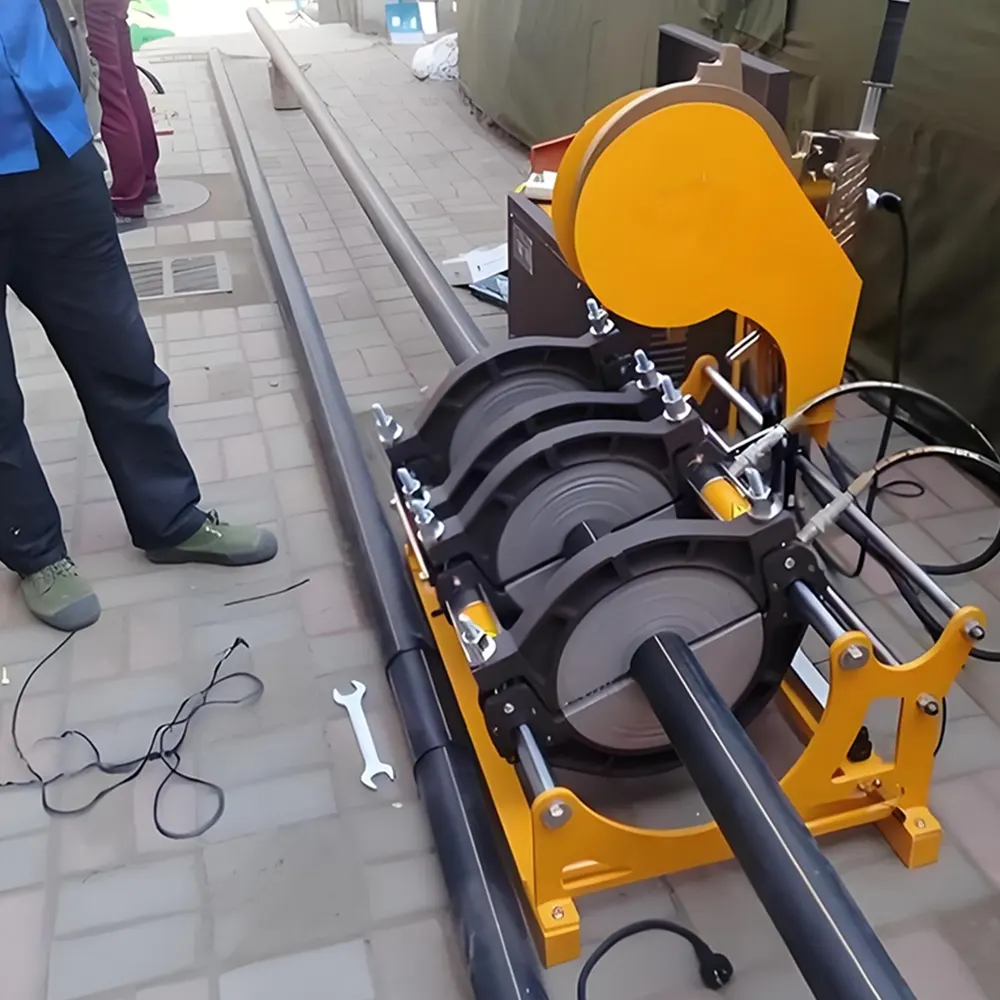
Key Benefits of Investing in Quality HDPE Butt Fusion Equipment
– Consistent joint strength and integrity for pressure and non-pressure systems.
– Reduced installation time with automated or hydraulic operations.
– Lower long-term maintenance and leak-related costs for infrastructure operators.
– Scalability: machines available for small-diameter service lines to large-diameter trunk mains.
Types of Butt Fusion Machines
Manual machines are portable, cost-effective, and suited for small projects and service connections. Hydraulic machines offer faster, more controlled force and are ideal for mid-size pipelines. CNC automatic systems provide precise control, welding records, and repeatability for high-volume construction and utility contractors.
Applications Across Industries
HDPE butt fusion solutions are widely used in municipal water distribution, natural gas networks, mining slurry pipelines, industrial chemical lines, and agricultural irrigation. Their resistance to corrosion and chemical attack makes them a preferred choice for environments where metal pipes would degrade.
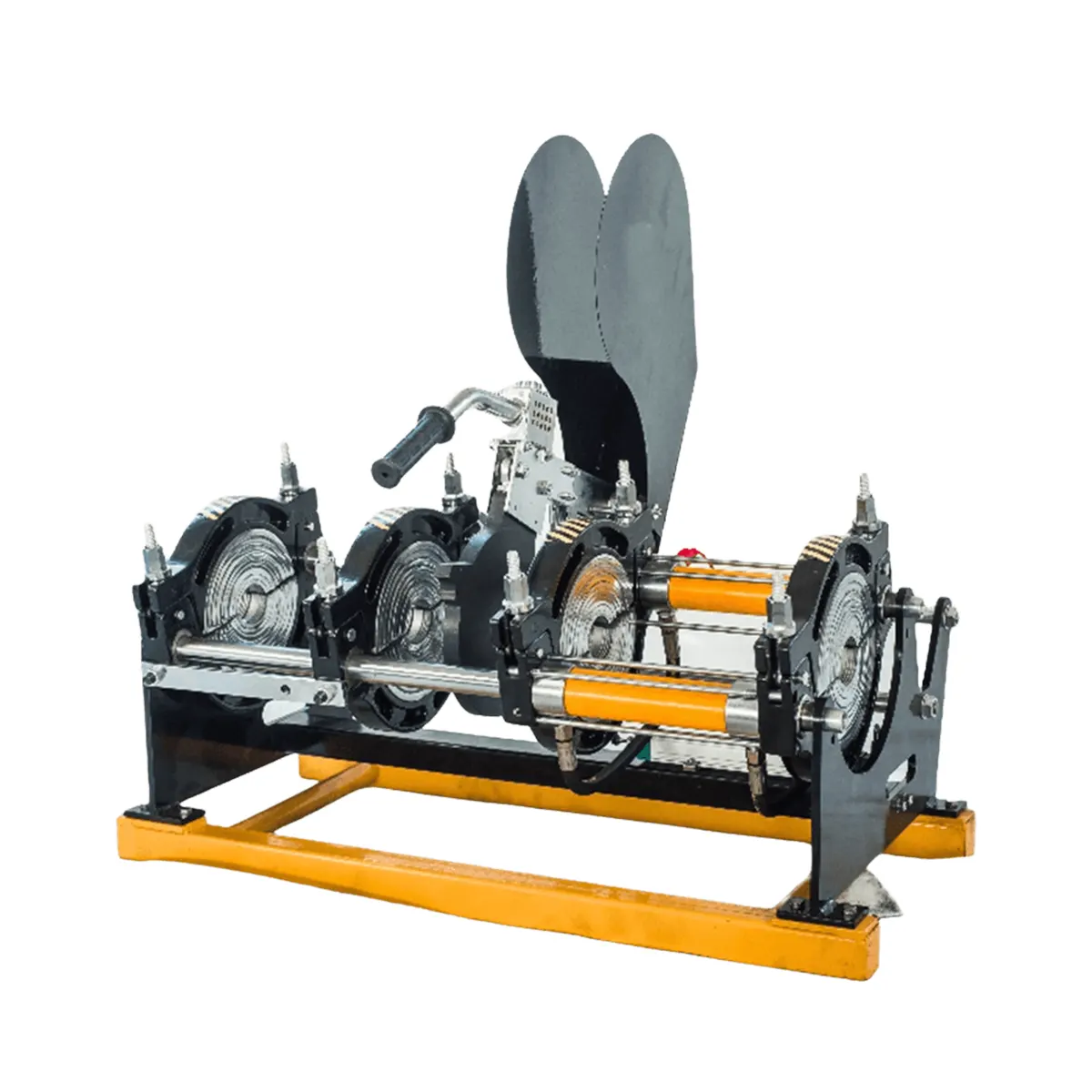
Compare Machine Types at a Glance
| Type | Pipe Range (mm) | Control | Best For |
|---|---|---|---|
| Manual | 20–315 | Operator | Small projects & service work |
| Hydraulic | 63–1600+ | Hydraulic control | Medium to large installation sites |
| CNC Automatic | 20–800+ | CNC / PLC | High-volume, precision-critical projects |
Essential Features to Look For
– Precise temperature control for heating elements and plates.
– Accurate alignment and clamping systems to prevent extrusion or misalignment defects.
– Documentation and traceability (especially in CNC models) to meet project QA/QC requirements.
– Robust frames and corrosion-resistant components for outdoor and harsh-site durability.
Buying Guide: Choosing the Right Supplier
When selecting a butt fusion machine supplier, prioritize consistent quality, parts availability, technical support, and training. Local service availability and quick access to replacement plates, clamps, and hydraulic parts reduce downtime and keep projects on schedule.
Maintenance Tips for Long Machine Life
– Keep heating plates clean and scratch-free to maintain thermal performance.
– Regularly drain and replace hydraulic fluids and inspect seals for leaks.
– Calibrate pressure sensors and thermocouples per manufacturer recommendations to ensure weld quality.
About the Manufacturer
JQ-Fusion is a professional manufacturer specializing in HDPE pipe welding machines, providing reliable butt fusion solutions for global infrastructure projects. Visit their site: https://jq-fusionwelding.com/
Final Recommendations
For reliable, long-lasting pipeline joints choose an HDPE butt fusion solution tailored to your project’s scale and quality requirements. Investing in well-built machines with proper training and support yields faster installations, higher first-pass success rates, and a lower total cost of ownership.



