
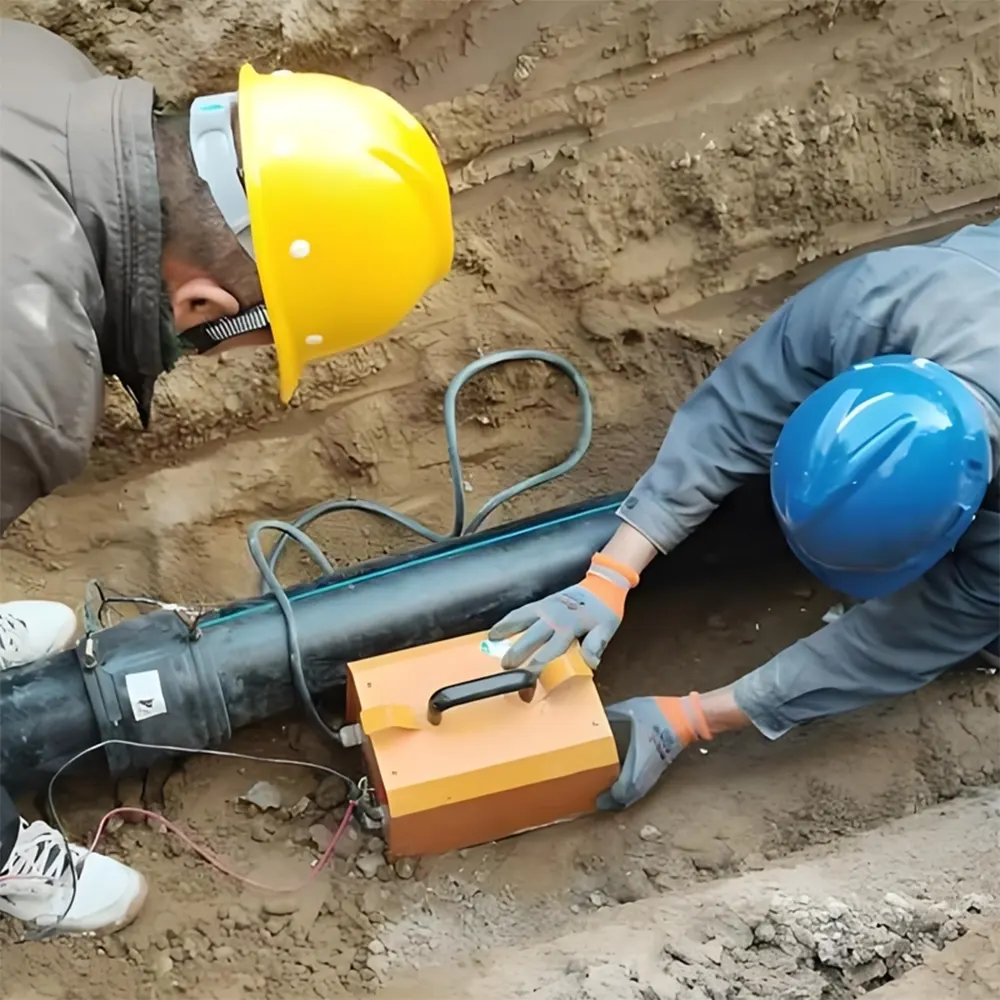
Electrofusion welding is a critical method for joining HDPE and other thermoplastic pipes in water, gas, and industrial distribution networks. Reliable joints depend on strict quality standards, correct procedures, and clear documentation. This guide covers the essential quality checks, best practices, and practical tips teams need to deliver durable, leak-free electrofusion joints.

Key Electrofusion Quality Standards
Pipes and fittings must meet recognized industry guidelines and manufacturers’ specifications before welding. Compliance should be verified through certification labels, material traceability, and documented acceptance criteria from both pipe and fitting suppliers. Inspectors typically follow a combination of international standards and local regulations together with the electrofusion fitting manufacturer’s technical datasheet.
Pre-weld Preparation Checklist
Proper preparation dramatically reduces defect rates. Focus on pipe alignment, surface cleanliness, and correct ambient conditions. Below are the most important pre-weld actions:
- Material inspection: Confirm pipe and fitting material type, SDR rating, and production batch for traceability.
- Remove dirt, moisture, and oxide layers from the fusion zone—use a manufacturer-approved scraper or cleaning pad.
- Ensure no dents, gouges, or distortions exist within the fusion area; replace components that fail visual criteria.
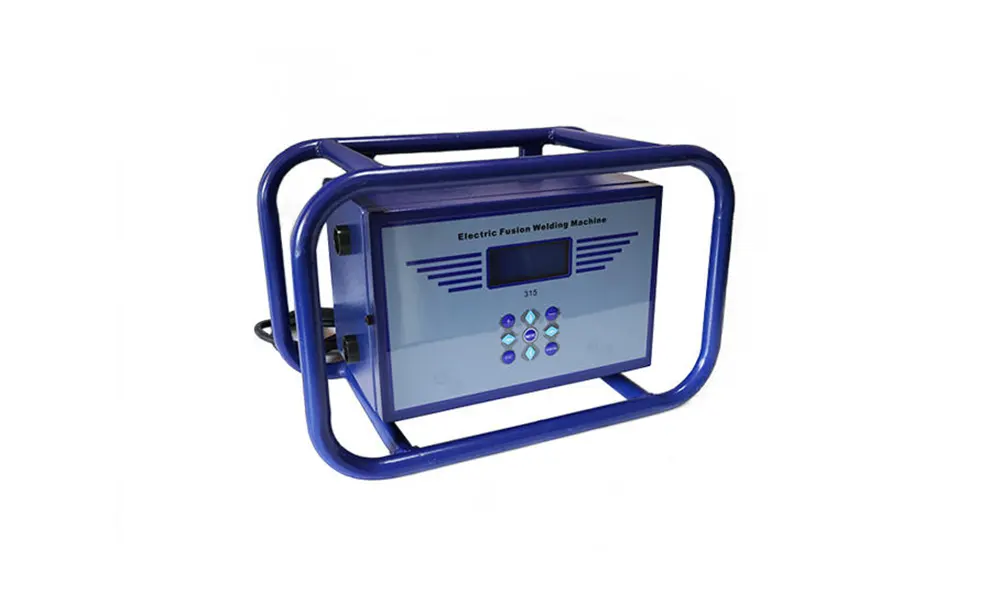
- Verify proper heater fusion unit and electrical leads are certified, calibrated, and free from damage.
Welding Procedure & Parameter Control
Electrofusion success depends on strict adherence to programmed parameters: fusion voltage/current, fusion time, and cooling time. Use the fitting’s barcode or technical label to import correct parameters into the electrofusion machine or manually input them if required. Record the parameters for every joint to support QA audits.
Critical Steps During Fusion
- Clamp the pipe and fitting firmly to prevent movement during fusion.
- Apply the exact fusion cycle—do not reduce fusion or cooling times to speed up work.
- Monitor current and voltage during the cycle; abort and investigate unusual readings.
- Leave the assembly undisturbed for the cooling period specified by the fitting manufacturer.
Inspection & Testing Table
| Inspection Checkpoint | Acceptance Criteria |
|---|---|
| Visual appearance | Smooth, uniform bead without voids or burn lines |
| Fusion parameters | Matches fitting label; recorded digitally or on paper |
| Cooling time | Uninterrupted until specified time elapses |
| Pressure test | Passes hydrostatic or pneumatic test per project spec |
| Electrical connection | Secure, corrosion-free clamps and correct polarity |
Common Defects and Troubleshooting
Understanding common failure modes helps crews correct root causes quickly:
- Cold joints: Caused by inadequate fusion energy or interrupted cycles—repeat weld with new fitting.
- Oxidation/contamination: Leads to inclusions and weak bonds—improve cleaning and drying procedures.
- Misalignment: Creates stress concentrations—use accurate clamping and pipe supports.
- Overheating: Charred beads or deformed pipe—verify machine calibration and correct parameter entry.
Documentation & Traceability
High-quality trace records protect project owners and contractors. Each joint should include:
- Fitting barcode or ID, material batch, installer ID, date/time, and machine serial number.
- Recorded fusion parameters and any anomalies observed during welding.
- Results of pressure testing and the name of the inspector who signed off the joint.
Best Practices for Field Teams
Adopt these procedural habits to consistently deliver reliable joints:
- Use only certified fittings and follow the manufacturer’s datasheet for each product.
- Calibrate and maintain electrofusion equipment per manufacturer recommendations.
- Train and re-certify operators regularly; encourage peer review of critical joints.
- Implement a simple digital log (photo + parameter screenshot) to speed QA checks and handover.
Quick Troubleshooting Flow
When a suspected defect is found: stop work, isolate the joint, document the condition, and consult the fitting manufacturer’s guidance before rework or replacement. Properly documented corrective action reduces rework and liability.
Conclusion
Consistent electrofusion quality requires the right materials, disciplined processes, and traceable documentation. Teams that follow these standards and best practices minimize defects and create robust, long-lasting pipe networks.
JQ-Fusion



