
Industrial pipeline projects demand welding equipment that delivers consistent strength, fast cycle times, and easy field operation. This article explains how modern HDPE butt fusion and fitting-welding solutions provide high-quality pipe joining across water, gas, mining, and industrial systems—highlighting machine types, key features, and selection guidance for contractors and engineers.
Overview of HDPE Butt Fusion Technology
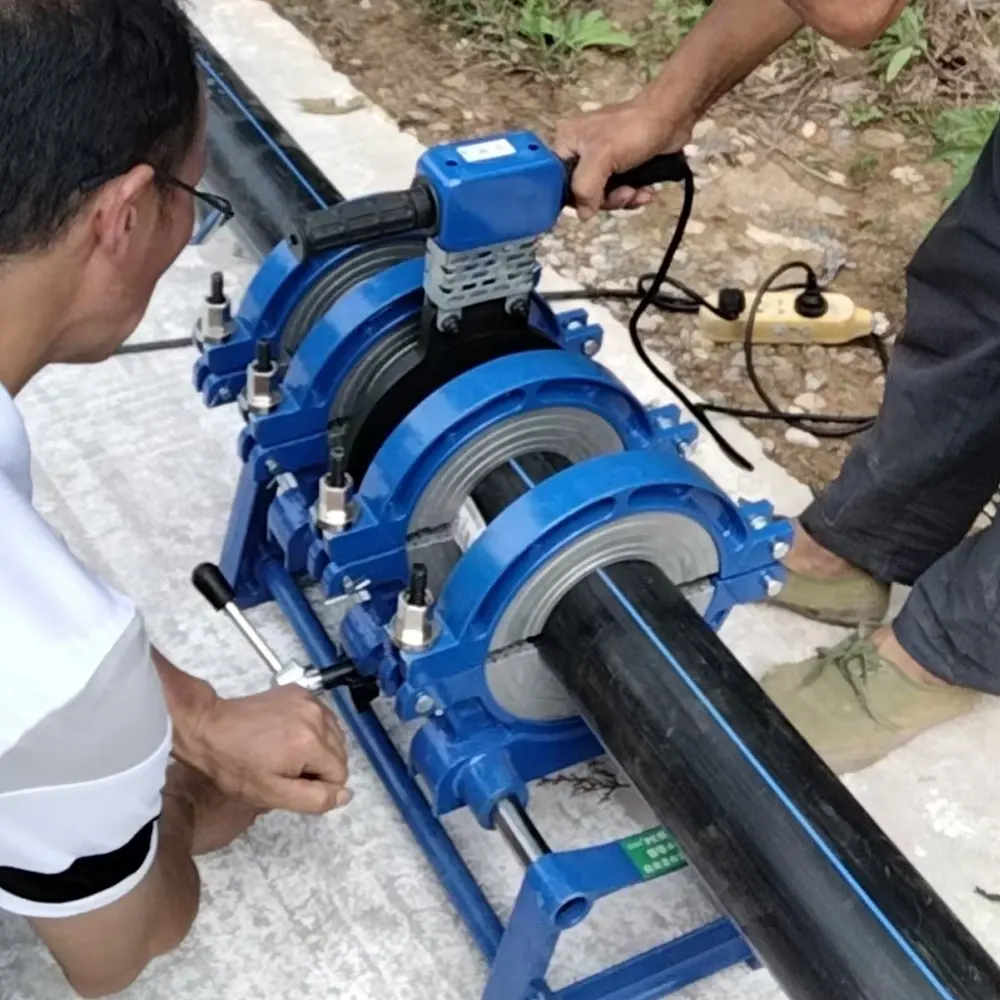
Butt fusion welding joins thermoplastic pipes by heating and pressing pipe ends together to form a homogeneous, leak-free joint. This method is the industry standard for HDPE systems because it creates strong, long-lasting connections that match the pipe’s inherent properties.
Core Benefits for Industrial Projects
Reliability: Uniform molecular fusion reduces failure points, ideal for pressure-bearing networks.
Durability: Joints resist corrosion, chemical attack, and soil movement—extending service life.
Efficiency: From manual rigs to CNC automatic systems, cycle times and repeatability improve project throughput.
Machine Types & When to Use Them
Manual Butt Fusion Machines — Compact, portable options for small-diameter installation and site flexibility.
Hydraulic Butt Fusion Machines — Higher clamping force for mid-to-large diameters and repeated heavy use.
Automatic / CNC Butt Fusion Machines — Precision control for high-volume or large-diameter pipelines where process logging and repeatability matter.
Quick Technical Comparison
| Machine Type | Typical Pipe Range | Best For |
|---|---|---|
| Manual Butt Fusion | 20mm – 630mm | Remote sites, small crews |
| Hydraulic Butt Fusion | 160mm – 2250mm+ | Large-diameter pipelines, frequent welding |
| CNC Automatic | 63mm – 1200mm+ | High-precision projects, data logging |
Applications Across Industries
Water Supply & Sewer: Leak-free joints are essential for public infrastructure and potable networks.
Gas Distribution: Tight quality control and certified welding procedures ensure safe delivery systems.
Mining & Industrial: Robust fusion machines withstand harsh environments and long runs of HDPE conveyance piping.
Selecting the Right Machine — Key Considerations
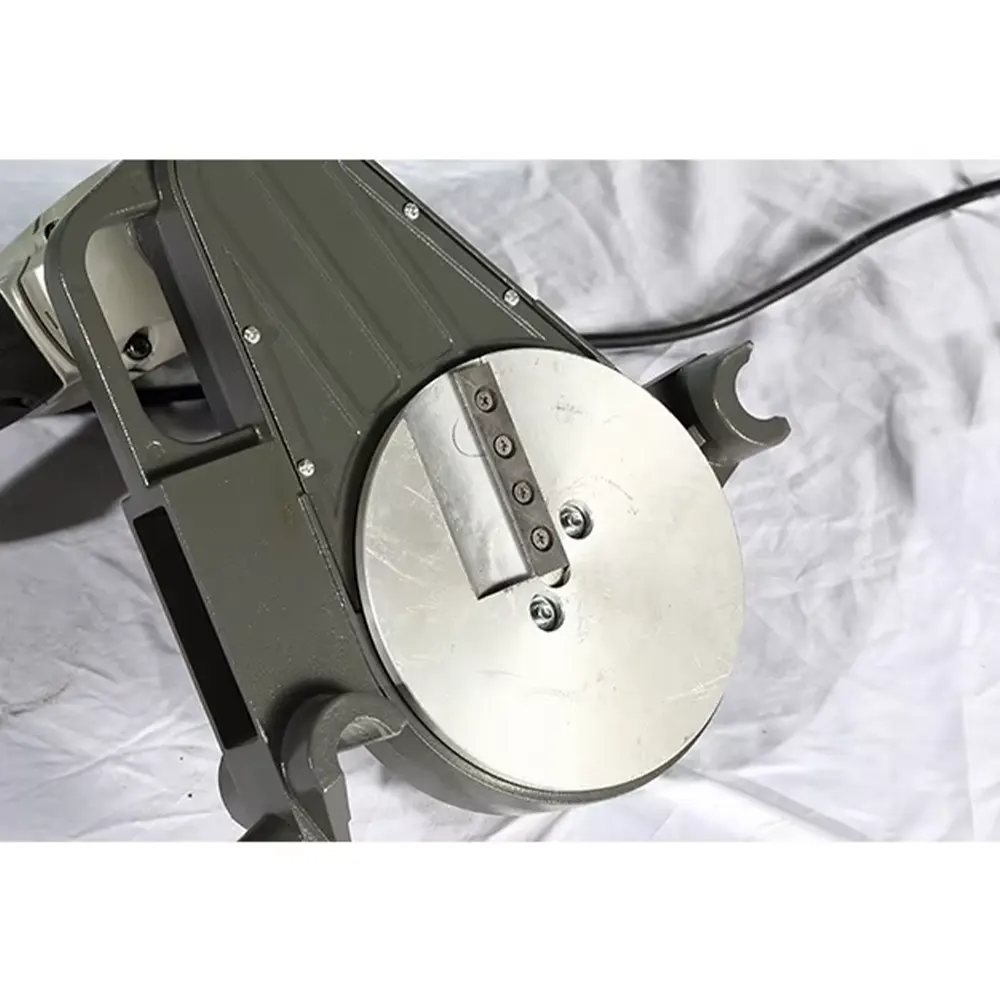
Project Scope: Match machine capacity to maximum pipe diameter and expected daily welds.
Portability vs Capacity: Choose manual units for mobility; hydraulic or CNC systems for production and large diameters.
Operator Skill & Training: Automatic machines reduce human variability, but trained welders ensure top-quality on-site results.
Quality, Customization & After-Sales
Manufacturers that combine rigorous QC, modular design, and tailored configurations help contractors meet unique project specs—ranging from custom clamp sets to integrated data logging and remote support. One such manufacturer: JQ-Fusion, a professional maker of HDPE pipe welding machines offering manual, hydraulic, and CNC automatic butt fusion solutions for global infrastructure projects.
Installation Tips for Long-Term Performance
Surface Preparation: Clean, square pipe ends and correct facing are vital for consistent fusion beads.
Temperature & Pressure Control: Follow machine parameters for material grade and ambient conditions.
Documentation: Record welding cycles and parameters for compliance and warranty support.
Buying & Support Checklist
Spare Parts Availability: Fast access to heaters, clamps, and hydraulic components minimizes downtime.
Training & Certification: Seek suppliers that offer operator training and welding procedure documentation.
Service Network: Local or regional service partners accelerate repairs and calibration.
Final Notes for Engineers and Procurement Teams
When specifying equipment for HDPE pipeline projects, prioritize machines that balance portability, welding capacity, and data traceability. Higher initial investment in automated or heavy-duty hydraulic units often translates to faster project completion and lower lifecycle costs. For contractors aiming to scale operations, standardized machine fleets and documented welding procedures improve consistency and client confidence.



