
JQ-Fusion (https://jq-fusionwelding.com/) supplies reliable HDPE pipe welding and installation solutions tailored for Bolivia’s diverse infrastructure needs — from high-altitude Andean cities to Amazon basin communities and the intensive demands of the mining sector.
Why Butt Fusion Works Well for Bolivian Projects
Bolivia’s geography includes steep mountain terrain, remote rural zones, and fast-growing urban centers such as La Paz and Santa Cruz. These environments demand pipeline joints that are leak-free, corrosion-resistant, and robust under variable temperatures and pressures. Butt fusion welding creates homogeneous HDPE joints that outperform mechanical fittings in long-term reliability, making it the preferred choice for municipal water supply, gas distribution, and mining slurry lines.
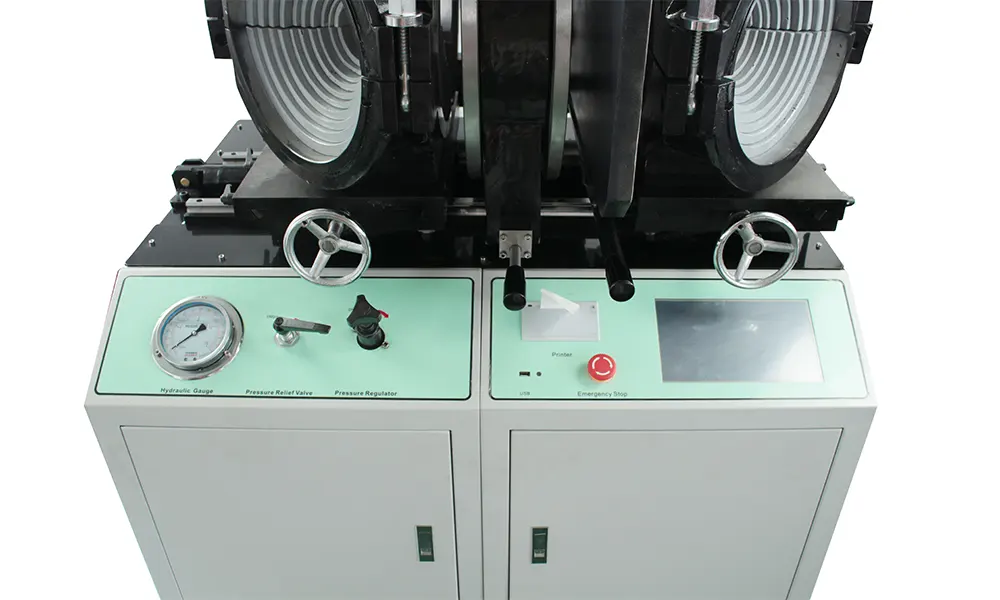
Machine Types for Every Bolivian Installer
Projects in Bolivia vary from small rural irrigation lines to large-diameter municipal mains. The three core machine classes meet these needs:
-
Manual butt fusion machines — lightweight and portable for remote village waterworks and agricultural irrigation systems.
-
Hydraulic butt fusion machines — ideal for medium-to-large pipelines used in municipal supply and industrial plants, offering higher clamping force and repeatability.
-
CNC automatic butt fusion machines — for large infrastructure and mining projects requiring precise, programmable weld cycles to ensure consistent quality over long runs.
Applications Across Bolivia — From Cities to Mines
Common deployment scenarios in Bolivia include:
-
Urban potable water networks — minimizing leakage and contamination risk in dense city pipelines.
-
Rural and highland irrigation — portable machines reduce transport time and enable on-site repairs at altitude.
-
Gas distribution — electrically and chemically inert HDPE welded systems for safe gas conveyance.
-
Mining and industrial pipelines — large-diameter hydraulic or automatic machines handle abrasive slurries and heavy-duty applications.
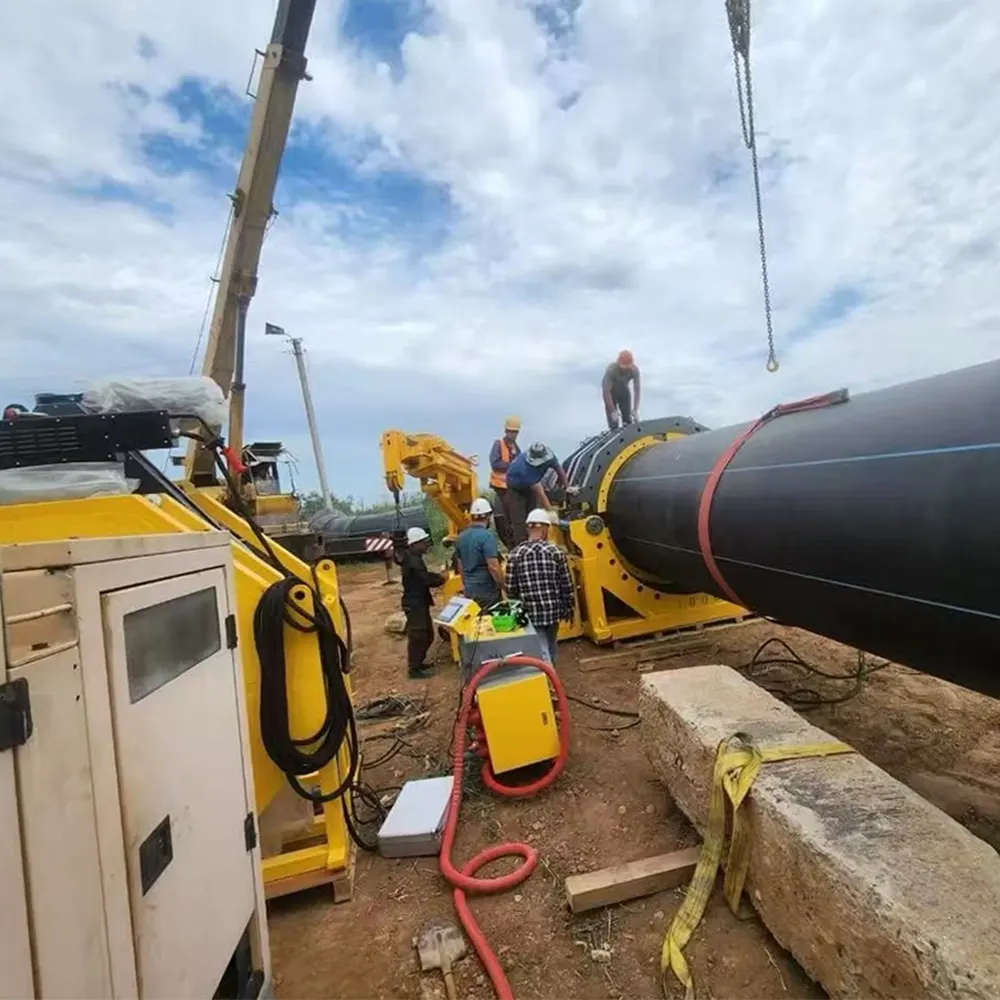
Practical Considerations for Bolivian Conditions
When specifying equipment, Bolivian contractors and utilities should account for altitude, temperature ranges, and logistics. Choose machines with reliable heaters and precise control systems for consistent bead formation at high altitude. Portability, spare part availability, and local technical support are critical for remote deployments.
Quick Specification Grid
| Machine Type | Typical Pipe Range | Best For |
|---|---|---|
| Manual Butt Fusion | 20–315 mm | Rural irrigation, small repairs |
| Hydraulic Butt Fusion | 160–1200 mm | Municipal water, industrial pipelines |
| CNC Automatic Butt Fusion | 250–2250 mm+ | Large-diameter mains, mining projects |
| Multi-Angle Fitting Machines | Custom | Fabrication of complex fittings on-site |
Installation Tips for Local Teams
Ensure pipe ends are clean and properly aligned before heating. Use calibrated heating plates and follow standardized cooling times adjusted for ambient temperature and altitude. Train local operators on safety and weld documentation to meet municipal and mining compliance standards.
Next Steps for Bolivian Projects
Assess your pipeline specifications — diameter, material grade, and installation environment — then select a machine class that balances portability, productivity, and repeatability. For detailed product data and to request technical support or spare parts, visit the website listed above and reference your project’s altitude and typical working conditions for tailored guidance.



