
Choosing the right HDPE pipe fusion machine can make the difference between project delays and smooth, reliable pipeline construction. This guide explains how modern butt fusion equipment improves weld quality, reduces downtime, and delivers long-term value for municipal, industrial, and energy infrastructure projects.
Why HDPE Pipe Fusion Machines Matter
HDPE pipe welding by butt fusion produces joints that are as strong as the pipe itself, providing leak-free connections for water, gas, mining, and drainage systems. Investing in a trusted fusion machine ensures consistent heating, precise alignment, and repeatable weld cycles—critical for compliance with international standards and long-term network performance.
Key Benefits at a Glance
- Reliable joint integrity across wide temperature and pressure ranges
- Lower lifecycle costs due to reduced repair and maintenance
- Adaptable machines for small-diameter street works to large-diameter trunk lines
- Faster installation rates when paired with skilled operators and automated control
Common Butt Fusion Machine Types
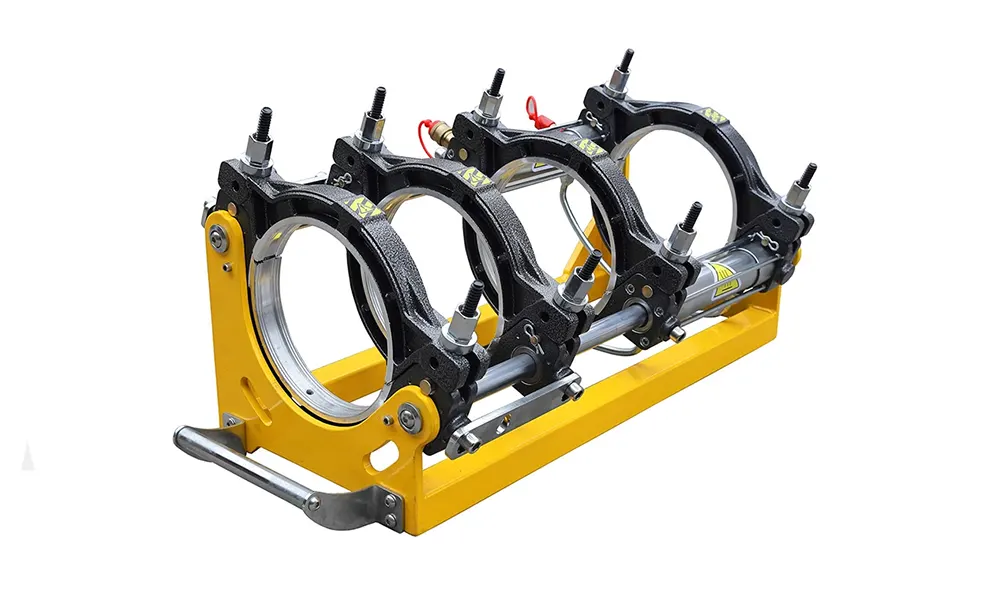
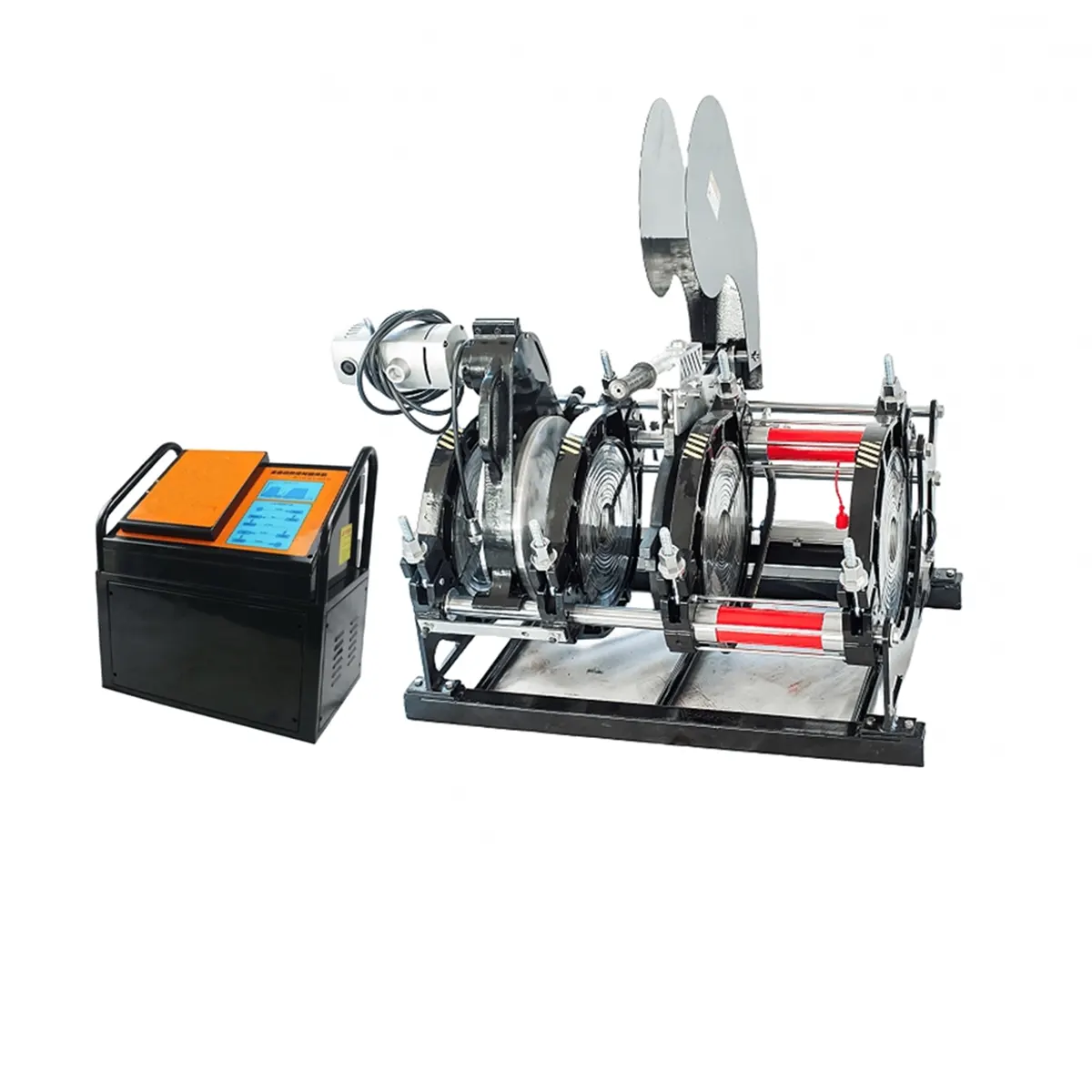
Equipment options include manual, hydraulic, and CNC automatic butt fusion machines. Manual units are ideal for small projects and tight budgets, while hydraulic and automatic systems deliver precision and efficiency for medium to large pipeline installations.
Selecting the Right Machine for Your Project
When choosing a fusion machine consider pipe diameter range, site conditions, operator skill level, and production targets. For high-volume infrastructure work, automatic units with digital controls improve traceability and reduce human error. For remote or occasional jobs, rugged manual or hydraulic machines provide dependable results with lower upfront cost.
Technical Comparison — Typical Machine Options
| Machine Type | Diameter Range | Best For |
|---|---|---|
| Manual Butt Fusion | 20mm – 630mm | Small jobs, low budget |
| Hydraulic Butt Fusion | 63mm – 2250mm | Medium to large pipelines |
| CNC Automatic Butt Fusion | 20mm – 1600mm+ | High-precision, high-volume projects |
Applications Across Industries
Butt fusion machines are widely used in municipal water networks, gas distribution, mining operations, industrial plants, and agricultural irrigation systems. Consistent weld quality is especially important where service interruptions or leaks carry significant cost or safety risk.
Installation Best Practices
- Ensure pipe ends are clean, square, and free of contaminants.
- Verify machine alignment and clamp stability before heating.
- Follow recommended heating and cooling cycles for the polymer grade.
- Use traceability records for weld parameters on critical networks.
Maintenance and Training
Routine checks—hydraulic fluid levels, heater plate condition, alignment accuracy—extend machine life and reduce defects. Operators should receive hands-on training and access to clear welding procedures to maximize throughput and safety.
Choose a Manufacturer You Can Trust
JQ-Fusion is a professional manufacturer specializing in HDPE pipe welding machines, offering manual, hydraulic, and CNC automatic butt fusion solutions for a wide range of diameters and applications. Learn more at jq-fusionwelding.com.
Final Notes for Project Planners
Specifying the correct fusion equipment early in design leads to better procurement, predictable schedules, and lower total cost of ownership. Prioritize machines that support clear welding records, proven durability, and readily available service parts to keep pipeline projects moving on time.
Contact a trusted supplier to review models, request technical datasheets, and arrange demonstrations tailored to your project scale.



