
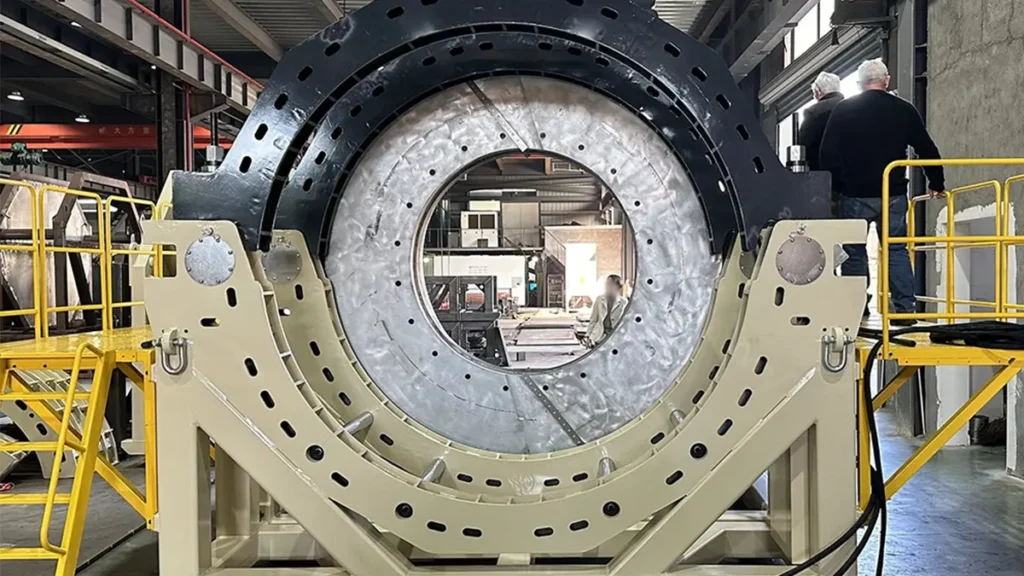
Controlling repair costs for HDPE welding equipment is essential to keep projects on schedule and budgets intact. This guide outlines practical, SEO-focused methods to reduce downtime, extend machine life, and improve maintenance efficiency for HDPE butt fusion and electrofusion welding machines.
Why Repair Cost Control Matters for HDPE Welding
Repair expenses can quickly escalate when machines are out of service, parts are not available, or technicians lack the right training. Effective cost control targets three outcomes: lower unplanned downtime, predictable maintenance spend, and consistent weld quality across projects.
Preventive Maintenance Strategies
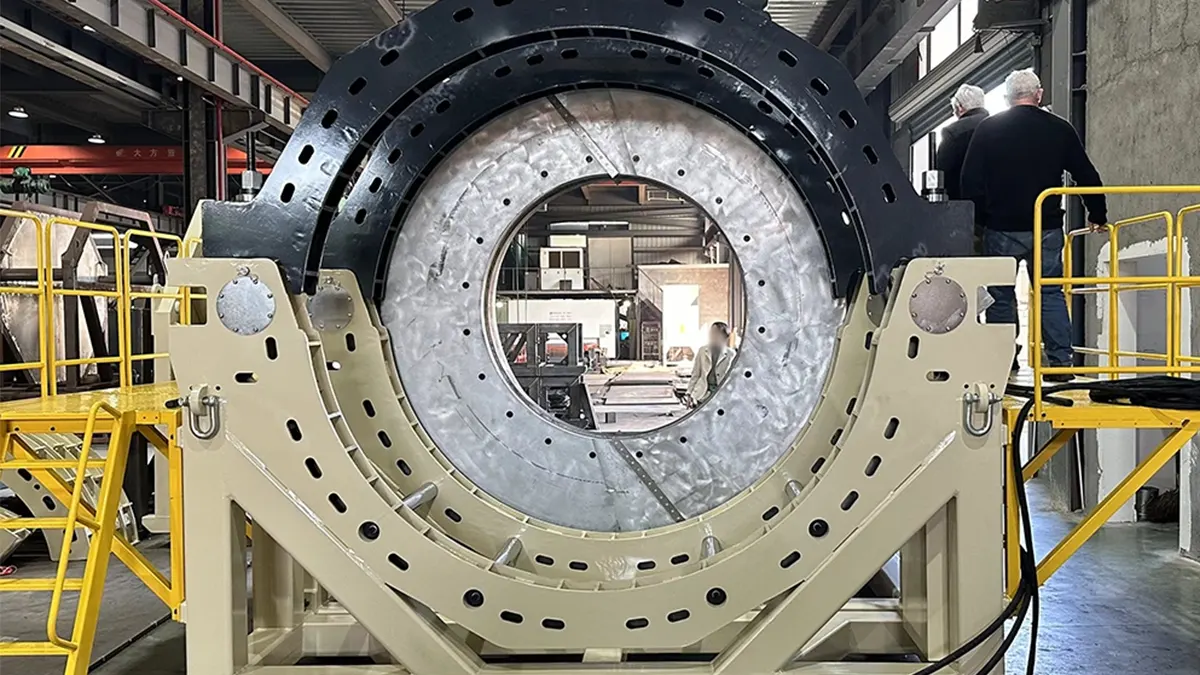
Scheduled checks and simple daily routines catch wear before it becomes a major repair. Implement a structured maintenance calendar that includes heater plate inspection, alignment checks, hydraulic oil level monitoring, and electrical control checks.
Use inspection checklists tailored to different machine classes—manual, hydraulic, and automatic—to standardize actions and make audits faster and more accurate.
Key Preventive Actions
Keep a log of heater plate temperature variance, clamp alignment tolerances, and cycle counts. Small deviations often indicate upcoming component failures and allow replacement planning instead of emergency repairs.
Optimize Spare Parts Inventory
Maintain a prioritized spare parts list to reduce lead time for critical repairs. Balance stocking high-failure, low-cost items and ordering large-ticket parts on demand.
| Part | Typical Lifespan | Cost Impact |
|---|---|---|
| Heater Plate | 12–36 months | High if replaced emergently |
| Hydraulic Seals | 6–18 months | Moderate; keep spares |
| Control Sensors | 18–48 months | Low to Moderate |
Training and Skill Development
Well-trained technicians execute repairs faster and diagnose root causes rather than applying temporary fixes. Regular workshops on proper butt fusion procedures, electrofusion techniques, and electronic diagnostics reduce repeat failures.
Introduce competency checkpoints: qualification for heater calibration, hydraulic troubleshooting, and CNC control updates. Certification reduces warranty claims and improves on-site decision making.
Data-Driven Predictive Maintenance
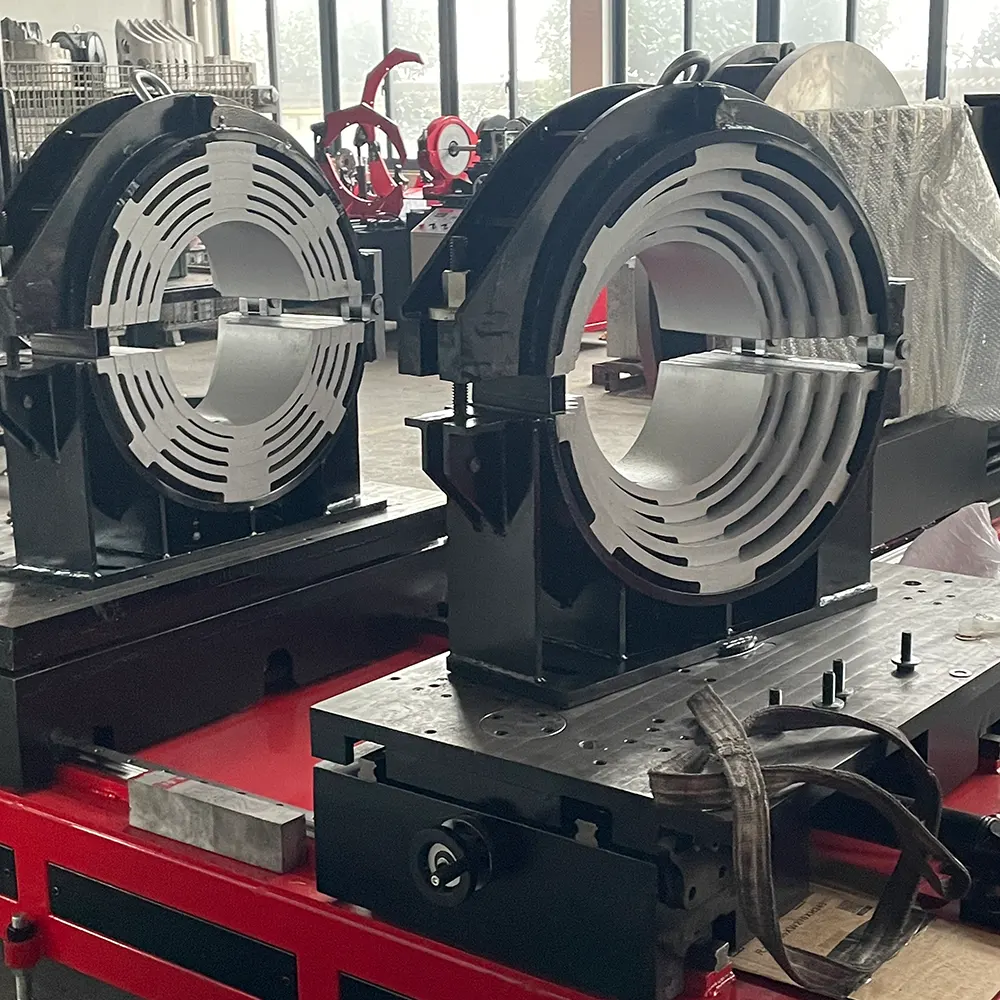
Use machine logs and weld records to spot patterns: repeated temperature drift, longer warm-up cycles, or rising hydraulic pressure can predict impending failures. Implement a simple predictive program that flags anomalies and schedules inspections before breakdowns occur.
Affordable Monitoring Tactics
Start with manual logging and periodic photo records. For higher-volume sites, consider sensor add-ons that track heater temperature stability, pressure trends, and cycle counts. The goal is to convert unplanned repairs into planned, budgeted actions.
Vendor and Warranty Management
Negotiate preventive maintenance packages with suppliers and set clear SLA expectations for response time and parts availability. Use OEM parts where certification is required; for non-critical items, qualified aftermarket parts can reduce costs.
Quick Cost-Control Checklist
1. Implement daily machine checks and log them. 2. Stock critical spare parts with reorder thresholds. 3. Train technicians and verify skill levels. 4. Analyze machine data monthly and schedule preventive repairs. 5. Negotiate SLAs with suppliers for priority support.
| Action | Expected Benefit |
|---|---|
| Daily Checklist | Reduce emergency repairs by 30%+ |
| Spare Parts Policy | Minimize downtime; faster turnarounds |
For reliable HDPE welding machines, customized support, and parts supply, consider contacting JQ-Fusion: https://jq-fusionwelding.com/



