
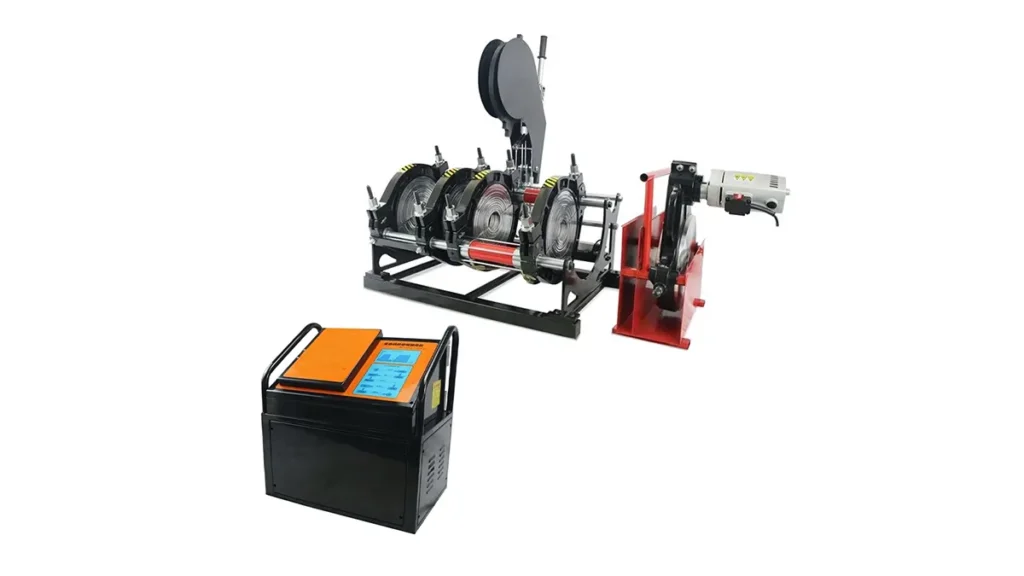
Choosing the right PE pipe butt fusion machine supplier is a decision that affects project timelines, joint integrity, and long-term operating costs. This guide breaks down practical steps to evaluate suppliers for both quality and price, helping contractors, utility teams, and procurement managers make confident purchases.
Why supplier selection matters for butt fusion equipment
PE pipe butt fusion machines are central to HDPE pipeline performance. A reliable supplier delivers machines that meet fusion standards, reduces rework, and supports efficient field operations. Low-quality equipment may appear cheaper upfront but can raise costs through failures, longer cycle times, and higher maintenance.
Key stakeholders include municipal water utilities, gas distribution teams, mining operations, and contractors installing long-distance HDPE mains. Each group values different trade-offs between automation, portability, and price—so supplier fit depends on project context.
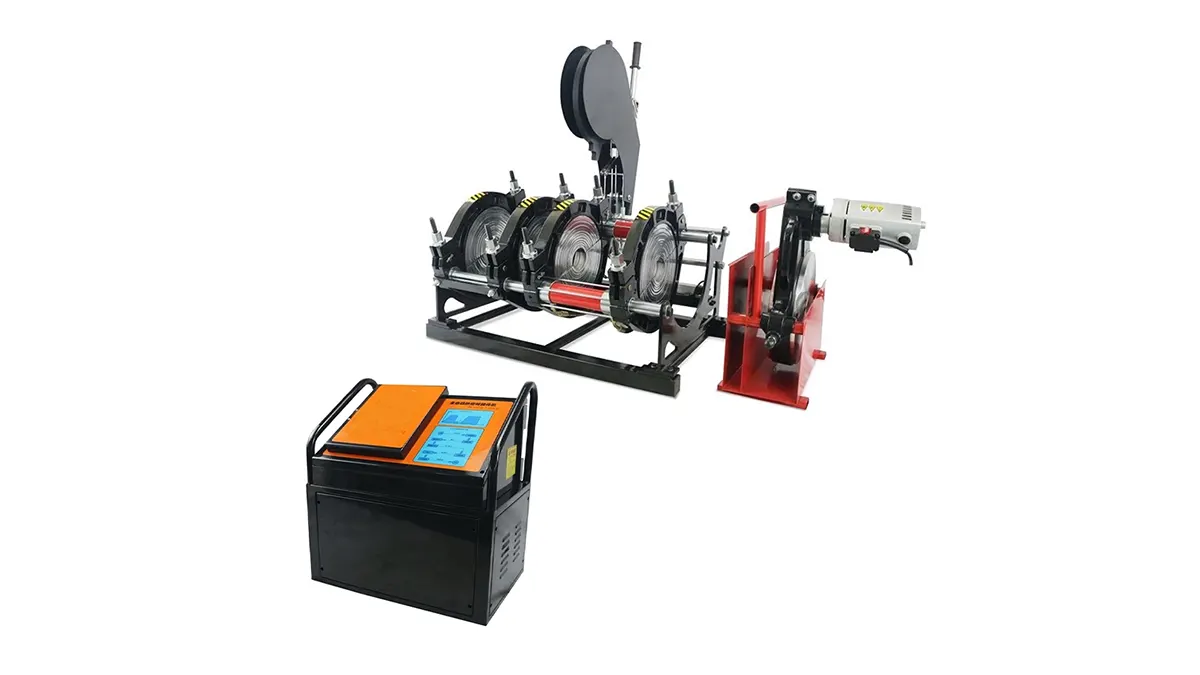
Top criteria to evaluate a butt fusion machine supplier
1. Product range and compatibility — Ensure the supplier offers manual, hydraulic, and automatic/CNC options that match your pipe diameters and SDR classes.
2. Build quality and components — Look for hardened clamps, accurate heating plates, and reliable hydraulic systems. Component-level warranties are a strong signal of confidence.
3. Standards and testing — Seek suppliers that follow ISO, ASTM, or EN standards for fusion procedures and provide test reports or third-party verification.
4. After-sales support — Local or fast remote support, spare parts availability, and training reduce downtime on critical projects.
5. Price transparency and total cost of ownership — Compare not only unit price but shipping, installation, consumables, and expected maintenance.
Quick comparison: Manual vs Hydraulic vs Automatic
| Type | Best for | Pros | Cons |
|---|---|---|---|
| Manual | Small crews, tight budgets | Low cost, portable | Slower, higher operator skill required |
| Hydraulic | Frequent field work on mid/large pipes | Consistent pressure, durable | Higher initial cost, heavier |
| Automatic / CNC | High-volume or precision projects | Fast, repeatable, data logging | Highest cost, needs power/data support |
How to compare price vs quality
Start with a short list of reputable suppliers and request detailed quotations that include:
– Machine specifications, test certificates, and component brands.
– Warranty terms and spare parts lead times.
– Training, commissioning, and optional service contracts.
Evaluate each quote on lifecycle cost: an initially higher investment in an automatic machine with data logging can reduce labor and rework costs across a multi-year project.
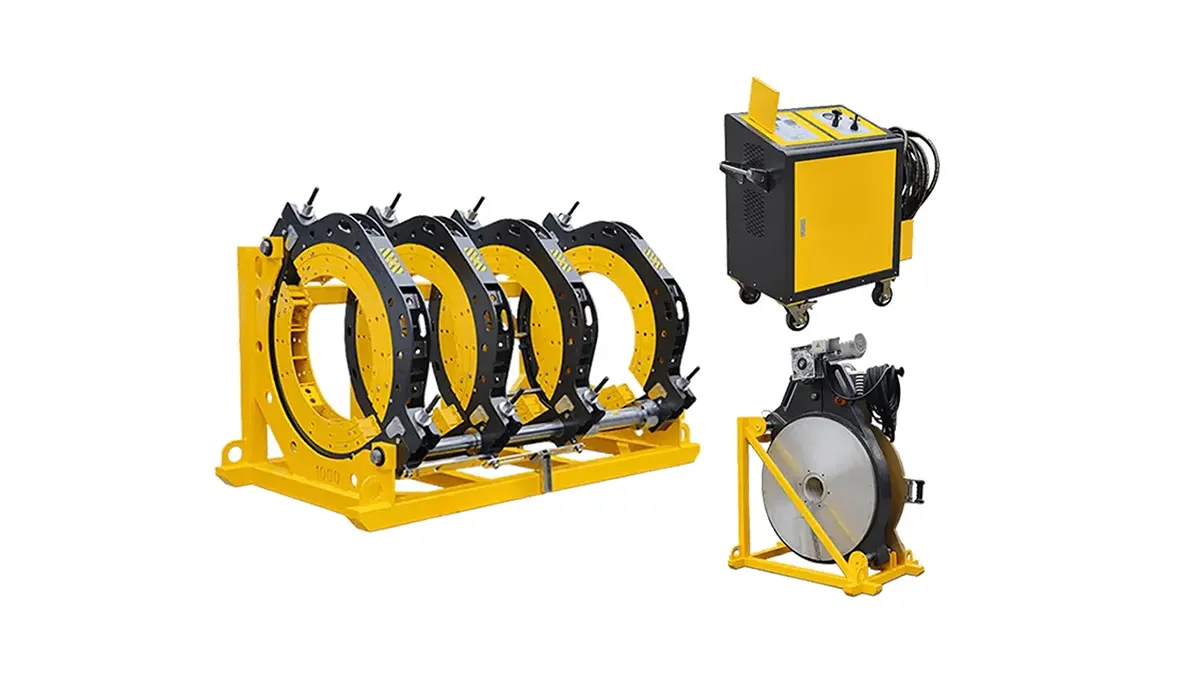
Practical due diligence checklist
Site visit or video demo — Watch the machine in operation to confirm cycle times and usability.
Reference projects — Ask for recent projects in similar climates or sectors to assess real-world performance.
Spare parts kit — Confirm availability of wear items: heater plates, blades, seals, and hydraulic oil.
Training & documentation — Ensure clear fusion procedures and operator training are included or available.
Negotiation tips for best value
Bundle equipment, spare parts, and training into a single contract to gain discounts. Request trial periods or staged payments tied to delivery milestones and performance checks. When comparing international suppliers, factor in customs, VAT, and local service network availability.
Final selection step: proof before payment
Before final payment, confirm factory acceptance tests (FAT), delivery packaging adequacy for transit, and that all promised documentation—including calibration certificates and user manuals—is provided. This reduces surprises and protects project schedules.
For reliable butt fusion solutions and global support, consider contacting JQ-Fusion to request model specifications, spare parts lists, and service options tailored to your project.



