
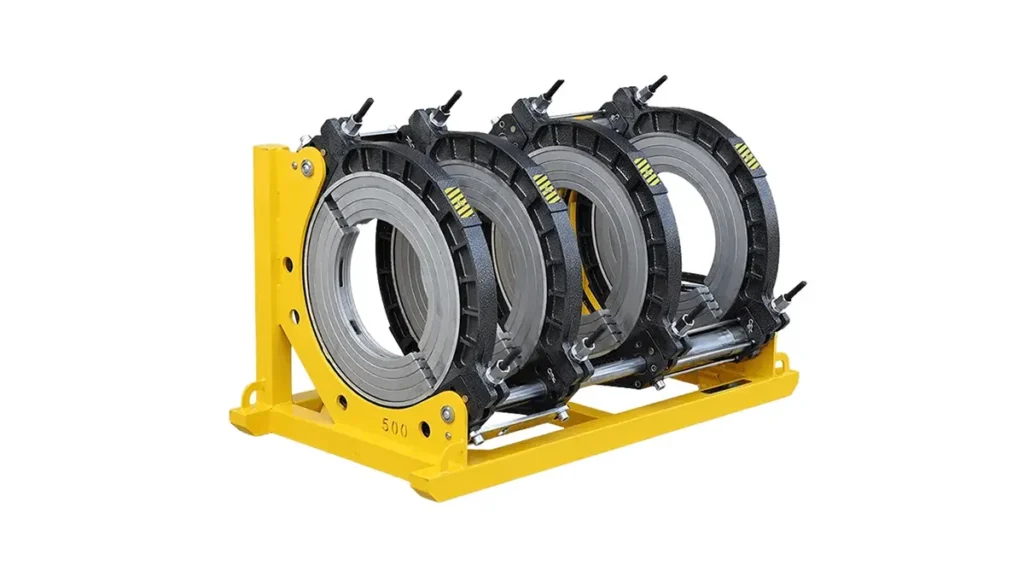
Hydraulic butt fusion welding machines deliver dependable, leak-free joints for HDPE and other thermoplastic pipes used in water, gas, mining, and industrial pipeline systems. This guide explains how these machines work, key advantages for industrial projects, and practical selection and maintenance tips to ensure efficient on-site welding performance.
How Hydraulic Butt Fusion Works
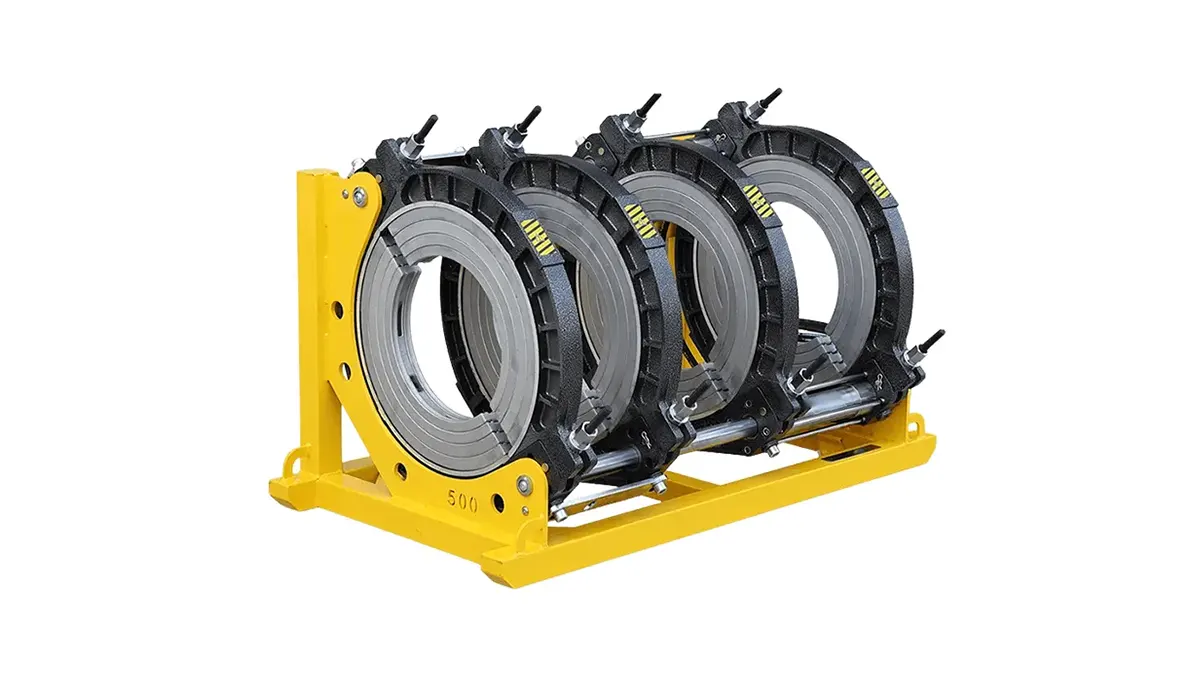
Hydraulic butt fusion aligns two pipe ends in a clamping frame, applies controlled heating to the faces, and then forces them together under precise pressure until the thermoplastic cools and forms a permanent bond. The hydraulic system provides smooth, repeatable force control, making it ideal for medium to large diameter pipes and heavy-duty project environments.
Key Features & Benefits
Hydraulic butt fusion welding stands out for:
- Consistent pressure control — improves joint strength and reduces rework.
- High capacity — suitable for large diameter pipelines and long runs.
- Durability — rugged construction for harsh jobsite conditions.
- Scalability — available in manual, hydraulic, and CNC automatic variants to match project needs.
Typical Applications
These machines are widely used across critical infrastructure sectors:
- Municipal water and wastewater networks
- Gas distribution and utility mains
- Mining slurry pipelines and tailings systems
- Industrial chemical transfer and process piping
Model Comparison at a Glance
| Model | Pipe Range (mm) | Control | Best Use |
|---|---|---|---|
| Hydraulic 160–500 | 16–500 | Manual/Hydraulic | Service lines & medium pipelines |
| Hydraulic 500–1200 | 500–1200 | Hydraulic/CNC option | Large-diameter municipal & industrial |
| Automatic CNC 160–630 | 160–630 | Automatic CNC | High-volume production and precision jobs |
Choosing the Right Machine for Your Project
When selecting equipment, consider pipe diameter, production rate, on-site conditions, and operator skill level. For remote or rough terrains, favor robust hydraulic frames and portable power units. For long runs or repeatable welds, automatic CNC models provide efficiency and traceable weld records.
Operational Tips for Reliable Welds
To maximize joint quality: keep heating plates clean, verify facing tools for square cuts, use consistent pressure and hold times per material specifications, and maintain temperature calibration. Document weld parameters to meet client and regulatory traceability requirements.
Maintenance & After-Sales Considerations
Regular maintenance extends machine life: inspect hydraulic hoses, test pressure valves, lubricate moving parts, and store heating plates safely. Quick access to spare parts and responsive technical support reduces downtime on critical projects.
About JQ-Fusion: JQ-Fusion is a professional manufacturer specializing in HDPE pipe welding machines, offering a full range of manual, hydraulic, and CNC automatic butt fusion welding solutions designed for global infrastructure projects. Learn more at https://jq-fusionwelding.com/.
Common FAQs
Q: Are hydraulic butt fusion machines suitable for gas mains? A: Yes — when following applicable standards and using certified procedures, hydraulic butt fusion is commonly used for gas distribution due to its reliable, homogeneous joints.
Q: How important is operator training? A: Proper training ensures correct machine setup, consistent weld quality, and safe operation; invest in certified training for best project outcomes.



