
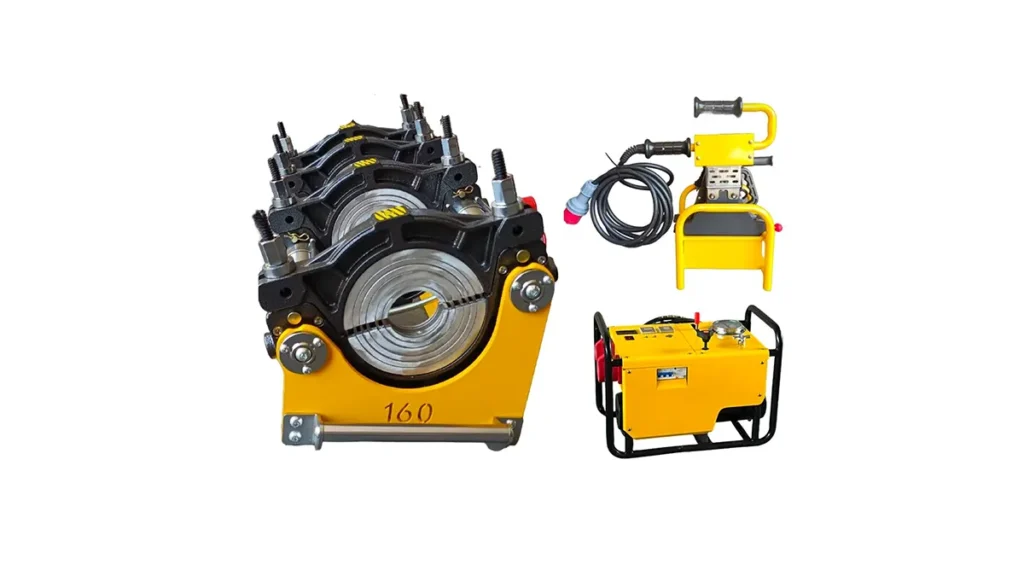
Choosing the right plastic pipe welding machine means balancing upfront cost, productivity, and long-term reliability. This guide breaks down typical price ranges, key features to compare, and practical tips for buyers so you can make a confident purchase decision.
How Welding Machine Prices Are Determined
Machine type: Manual, hydraulic, and automatic/CNC units have very different component costs and labor requirements. Brand & build quality: Precision frames, reliable hydraulic units and certified heaters add to price but reduce downtime. Pipe diameter range: Machines for small pipes (20–160mm) are significantly cheaper than large-diameter units (500mm+).
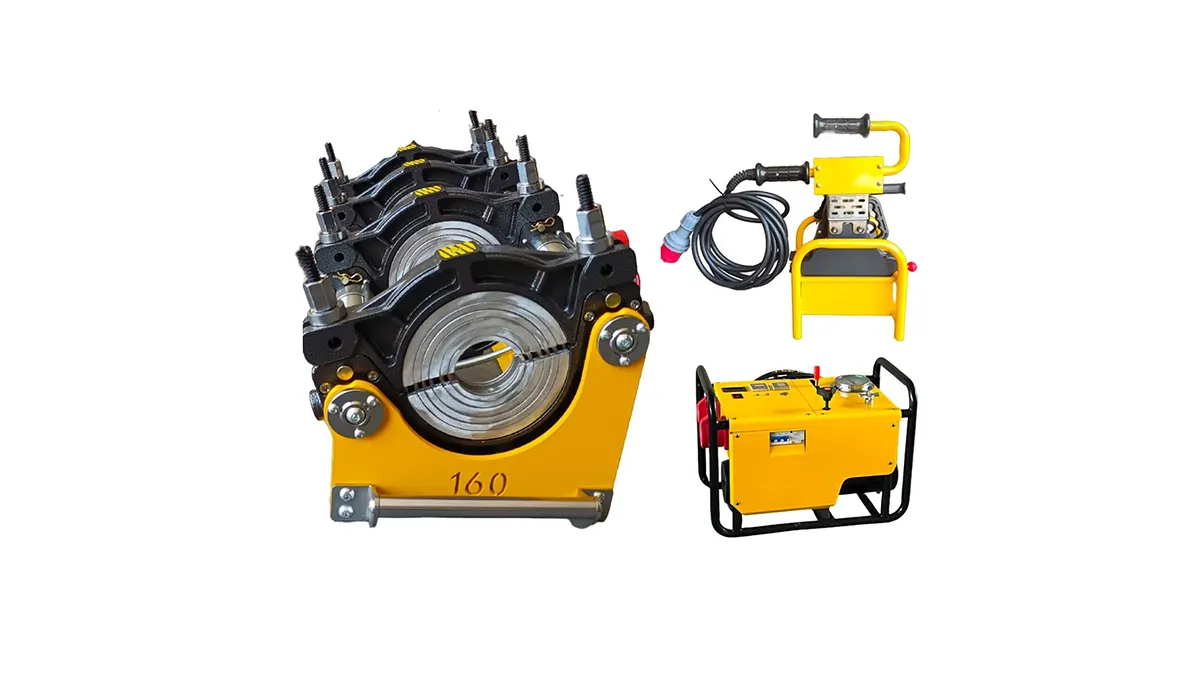
Typical Price Ranges (USD)
The following table shows common retail price brackets to set realistic budgets. Prices vary by region, configuration, and optional accessories.
| Machine Type | Typical Price Range | Best For |
|---|---|---|
| Manual Butt Fusion | $800 – $3,000 | Small repairs, light contractors |
| Hydraulic Butt Fusion | $3,000 – $20,000 | Medium to large diameter pipelines |
| Automatic / CNC Butt Fusion | $12,000 – $80,000+ | High-volume production, strict QC |
| Multi-Angle Fittings Machine | $10,000 – $120,000 | Complex fitting fabrication |
Key Features That Affect Price
Heating plate quality: Better temperature control and surface finish increase weld consistency. High-grade plates add to cost but save rework.
Control system: Manual units use gauges and timers; automatic machines include PLC or touchscreen controls that log weld data—essential for large projects and regulatory compliance.
Clamping and alignment: Heavy-duty clamp frames and accurate alignment tools reduce scrap and labor time. These structural upgrades are cost drivers for industrial-grade machines.
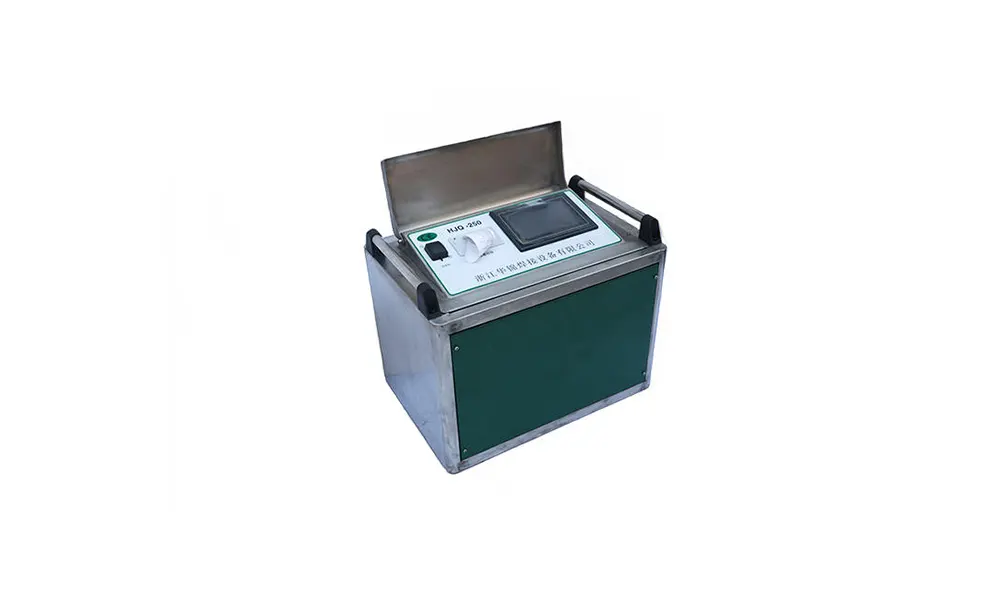
Accessories and Consumables to Budget For
Trimmers & facing tools: $150–$1,000 depending on diameter range. Necessary for clean weld faces.
Spare heating plates & thermocouples: $200–$2,000. Replaceable wear parts ensure consistent temperature control.
Clamps, jaws & adapters: Add $300–$5,000 for larger diameter kits or custom fittings.
Operating & Lifecycle Costs
Factor in operator training, periodic calibration, spare parts, and transport. For fleet or rental operations, expect annual maintenance and calibration of 5–10% of machine value. For low-cost machines, this percentage may be higher relative to purchase price.
Buying Tips: What to Ask Suppliers
1. Warranty & support: Confirm warranty length and scope, and local service availability.
2. Test reports & certifications: Request weld logs, calibration certificates, and any third-party quality validation.
3. Spare parts lead time: Ask about inventory and delivery times for plates, sensors, and hydraulic components.
How to Choose Between Manual, Hydraulic, and Automatic
Manual machines are cost-effective for occasional work and small-diameter repairs. Hydraulic units balance price and capability for regular contractor use on larger diameters. Automatic/CNC models are ideal where traceability, repeatability, and throughput justify higher capital spend.
Quick ROI Example
Example: A mid-range hydraulic machine ($12,000) that reduces weld time by 30% and scrap by 10% on a municipal water project can pay back in 12–24 months depending on project scale and labor rates.
Safety & Compliance Considerations
Ensure the machine meets local electrical and safety regulations, and that operators follow recognized fusion standards (e.g., ISO, ASTM or regional codes). Proper training reduces risk and improves weld quality.
Need a Recommendation?
For tailored industrial solutions and a wide product range, consider contacting JQ-Fusion for model options, pricing, and factory support. Comparing quotes with detailed spec sheets will help you select the best value machine for your projects.



