
Electrofusion welding is a reliable, repeatable method for joining HDPE pipes using a controlled electrical current to heat a specialised fitting. This guide walks technicians and site supervisors through clear, SEO-friendly operating steps, safety checks, and troubleshooting tips so you get consistent, high-quality joints every time.
What is an Electrofusion Machine?
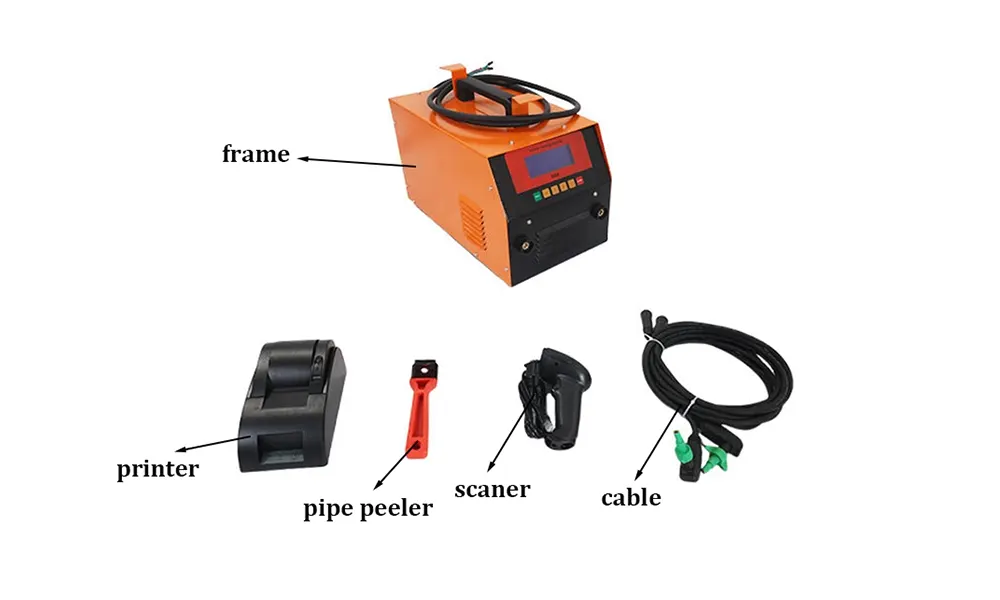
The electrofusion machine controls the current and time profiles for heating electrofusion fittings. It reads fitting codes, applies the correct power curve, and monitors the process for complete fusion. Operators should be familiar with the machine’s display, clamp connections, and grounding options before starting work.
Key Components to Know
Controller: the user interface that programs and monitors welds. Power leads and clamps: transfer current to the fitting. Grounding point: essential for safety and reliable heating.
Pre-Operation Safety & Preparation
Before any weld, verify the pipeline is depressurized and cleared of residue. Wear PPE—gloves, eye protection, and insulated footwear. Inspect fittings for manufacture codes and expiry, and ensure the machine’s calibration and battery level are adequate for the planned welds.
Tools and Materials Checklist
Electrofusion fittings, cleaning pads/abrasives, isopropyl alcohol, measuring tape, alignment clamps, and the machine manual. Confirm fitting barcode or data matrix is readable—many modern systems auto-read codes for correct cycle selection.
Step-by-Step Electrofusion Operating Procedure
Step 1 — Verify Fitting & Machine Settings: Read the fitting code (manual entry if needed) and confirm the machine selects the recommended welding curve.
Step 2 — Prepare Pipe Ends: Cut squarely, remove burrs, and chamfer slightly if recommended. Clean with an approved solvent and abrasive pad until the pipe surface shows uniform matte finish.
Step 3 — Align and Secure: Insert pipes into the fitting to the recommended depth, use alignment clamps to prevent movement, and confirm concentricity.
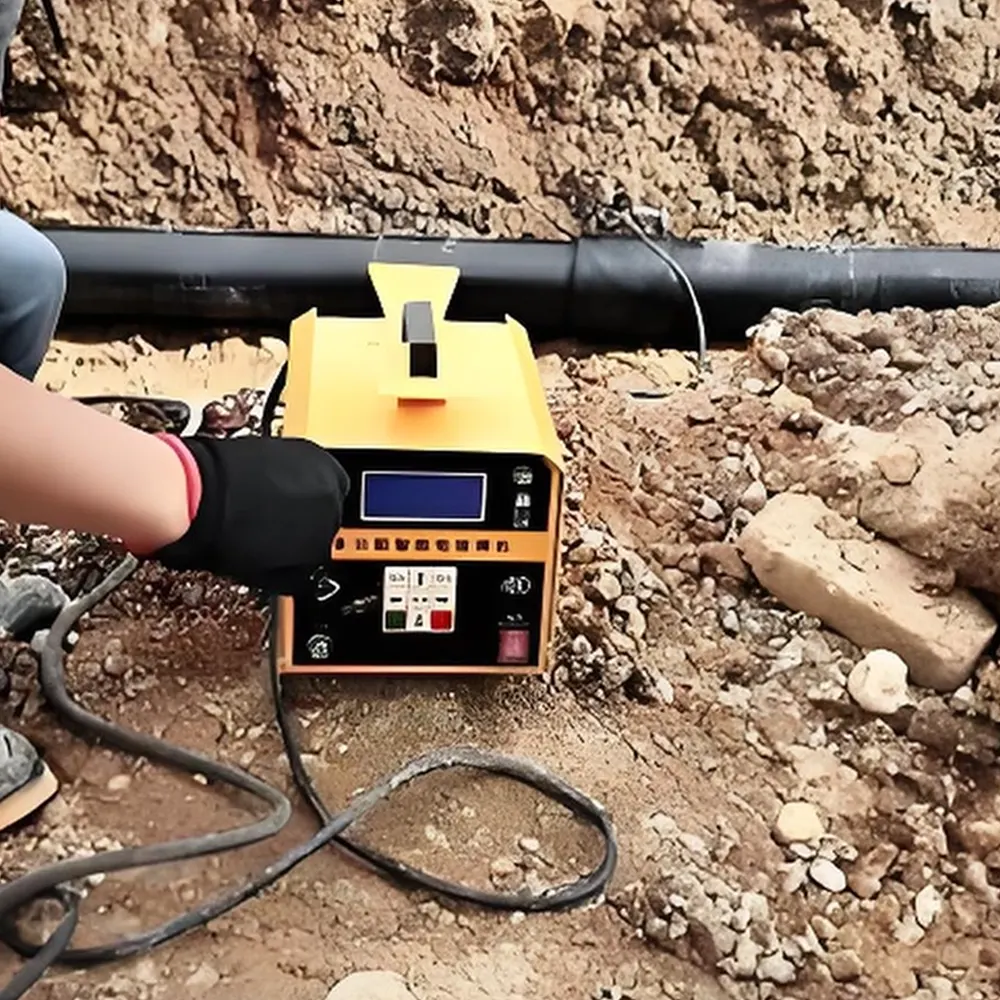
Step 4 — Connect Leads & Ground: Attach machine leads to the fitting terminals and secure the grounding clamp to the pipework or approved earthing point.
Step 5 — Start the Weld Cycle: Initiate the program. The machine will control current and timing—do not interrupt unless an emergency occurs.
Step 6 — Cooling Period: Allow the full cooling time specified by the fitting manufacturer. Disturbing the joint prematurely can cause defects.
Step 7 — Inspect & Record: Visually inspect the bead, check for displacement, and log weld parameters (machine ID, fitting code, operator, date/time) for traceability.
Typical Electrofusion Cycle Parameters
Parameters vary by fitting size and manufacturer. Below is a reference table with common ranges — always follow the fitting label or datasheet.
| Fitting Size (mm) | Weld Time (s) | Cooling Time (min) | Typical Current (A) |
|---|---|---|---|
| 20–50 | 20–60 | 5–10 | 30–60 |
| 63–160 | 60–180 | 10–30 | 60–180 |
| 180–315 | 120–360 | 30–60 | 180–400 |
Common Problems & Troubleshooting
Poor Fusion Bead: Often caused by contamination or wrong cycle selection. Re-clean the pipe and verify fitting code. Incomplete Heat: Check battery/supply voltage and cable connections.
Arc or Burn Signs: This indicates a poor contact or damaged fitting element—discard the fitting and start again with a new one.
Routine Maintenance Tips
Keep the machine clean and dry. Inspect leads and clamps for wear, and calibrate the controller annually. Store fittings and accessories in a dry, temperature-stable area to prevent deterioration.
Quality Records & Compliance
Maintain weld logs for every joint: machine serial, fitting code, operator, date/time, ambient conditions, and inspection results. These records support QA/QC and regulatory audits for pipeline projects.
Operator Training and Certification
Electrofusion welding requires trained personnel. Many regions require certified operators for gas and water distribution networks. Ensure staff complete manufacturer or industry-recognised training and keep certificates current.
When to Contact Manufacturer Support
If the machine displays persistent error codes, if logs show repeated failed cycles, or if welds fail inspection despite correct procedure, contact the manufacturer for diagnostics and support. JQ-Fusion provides technical assistance and spare parts for HDPE welding equipment.
Following these steps will reduce failures and extend equipment life while delivering strong, reliable electrofusion joints suitable for critical infrastructure. Consistent preparation, correct machine settings, and strict cooling discipline are the foundation of every successful weld.



