
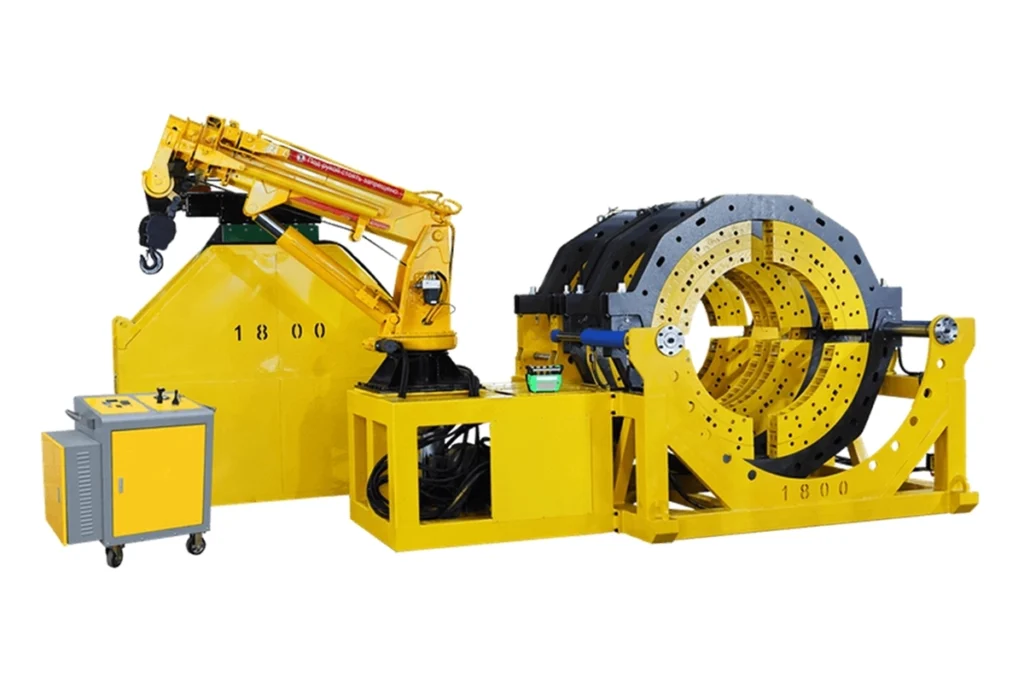
Hot melt welding machines are essential tools for creating durable bonds in industrial applications—from packaging and roofing to heavy-duty pipe joining. Choosing the right manufacturer ensures consistent performance, long service life, and compliance with project standards. This guide highlights what to look for in top hot melt welding machine manufacturers and offers practical buying and maintenance tips for procurement teams and onsite operators.
Why Hot Melt Welding Works for Industrial Bonding
Hot melt systems deliver fast-setting joints with excellent adhesion on thermoplastics and substrates used in construction, automotive, and utility projects. Key advantages include quick cycle times, reduced downtime, and minimal solvent usage—benefits that translate into lower operational costs and faster project delivery.
Core Machine Types and Where They Shine
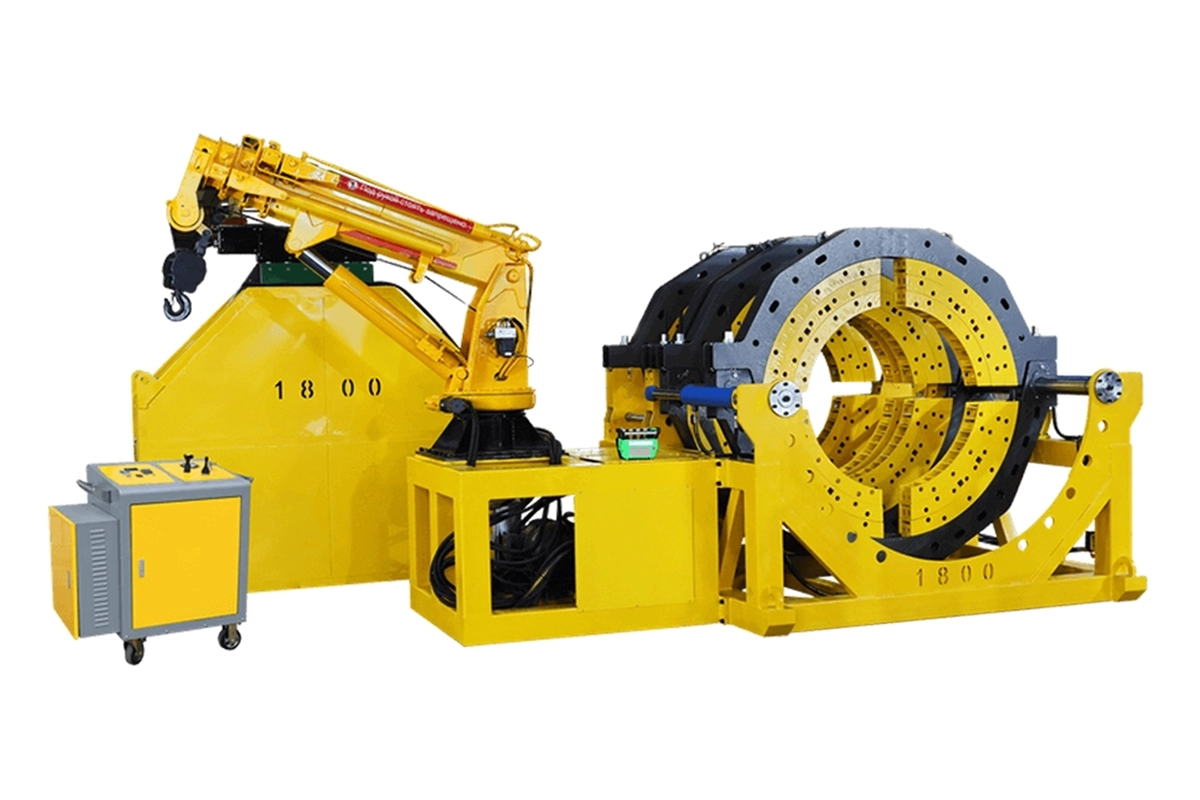
Manual hot melt applicators are ideal for smaller jobs and repair work; hydraulic and automatic machines are built for high-volume or precision pipe fusion; electrofusion units suit complex fittings and controlled connections. Match machine type to your production volume and field conditions to maximize ROI.
Manufacturer Quality Checklist
When vetting suppliers, consider build quality, spare parts availability, training support, and software updates for automatic systems. Look for manufacturers offering robust warranties, global service networks, and clear testing protocols to verify weld integrity.
| Machine Type | Best For | Typical Pipe Range | Key Benefit |
|---|---|---|---|
| Manual Butt Fusion | Small crews, repairs | 20mm – 400mm | Low cost, portable |
| Hydraulic Butt Fusion | Regular pipeline installation | 90mm – 2000mm+ | High force, reliable alignment |
| CNC Automatic Butt Fusion | Large projects, precision | 160mm – 2000mm+ | Repeatable welds, data logging |
| Electrofusion | Fittings and controlled joins | 20mm – 630mm | Controlled heating, ideal for repairs |
Industry Applications and Buyer Personas
Procurement managers in utilities and contractors installing water, gas, and mining networks prioritize machines that deliver traceable welds and minimal rework. Civil engineers and site supervisors need reliable, serviceable equipment that performs in variable weather conditions. OEM buyers for manufacturing lines look for compact, high-speed hot melt applicators with simple integration.
Procurement Tips: Get the Specs Right
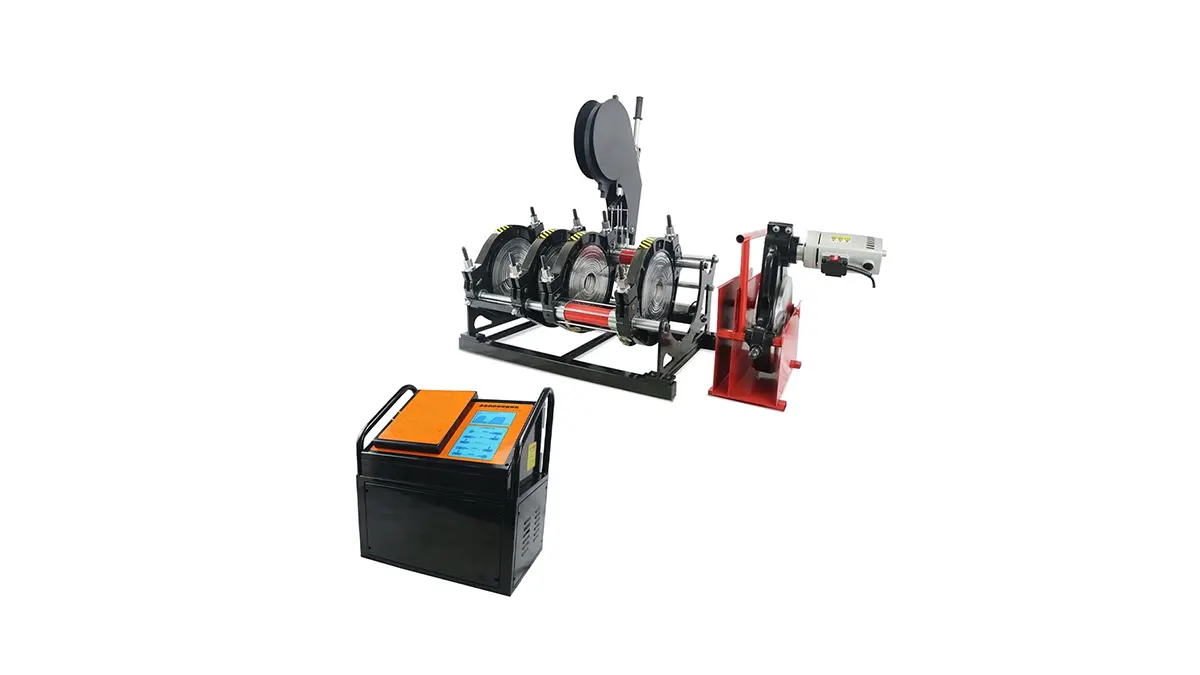
Request performance data sheets, spare parts lists, and calibration procedures. Verify documentation for pressure ratings, maximum working temperatures, and electronic control features. For large projects, insist on weld traceability features such as process logs and exportable reports.
Maintenance & Training
Planned maintenance extends equipment life—regular heater plate checks, clamp alignment inspections, and hydraulic fluid service are critical. Factor vendor training programs into the purchase decision to reduce operator error and extend first-pass yield.
Trusted Partner Snapshot
JQ-Fusion (https://jq-fusionwelding.com/) manufactures HDPE pipe welding machines across manual, hydraulic, and CNC automatic lines, supplying solutions for water supply, gas distribution, mining, and industrial pipelines worldwide.
Final Selection Checklist
Compare lead times, local service, parts availability, and validated weld procedures. Choose a manufacturer that aligns with your project’s scale and offers after-sales support to minimize downtime. Investing in quality equipment pays off through safer, faster, and more reliable joints.



