
The reliability of HDPE pipe systems depends heavily on controlled welding pressure during butt fusion. Proper pressure management reduces defects, extends service life, and ensures long-term leak-free performance in water, gas, and industrial pipelines. The tips below focus on practical, field-ready pressure control strategies that installers and supervisors can apply for consistent, high-quality joints.
Understand Pressure Roles in Butt Fusion
Pressure during butt fusion has three main roles: keeping pipe ends in contact during heating, consolidating molten material at the interface, and forming a uniform bead during cooling. Too low a pressure leads to weak fusion lines and incomplete fusion; too high a pressure squeezes out molten material and can thin the joint.
Phases Where Pressure Matters Most
Alignment & preparation: moderate clamping pressure prevents movement without deforming the pipe. Heating: maintain low, steady pressure to form the melt layer. Forge: apply controlled forge pressure to achieve recommended bead size and fusion strength. Cooling: hold pressure constant until solidification completes.
Recommended Pressure Ranges (Quick Reference)
Use the table below as a starting point. Always cross-check with pipe manufacturer specs and applicable standards (ISO, ASTM, or local codes).
| Pipe OD (mm) | Heating Pressure (kPa) | Forge Pressure (kPa) | Typical Bead Size (mm) |
|---|---|---|---|
| 20–63 | 30–100 | 150–400 | 2–4 |
| 75–160 | 50–150 | 200–600 | 3–6 |
| 200–630 | 100–200 | 400–1200 | 4–8 |
Calibration & Equipment Setup
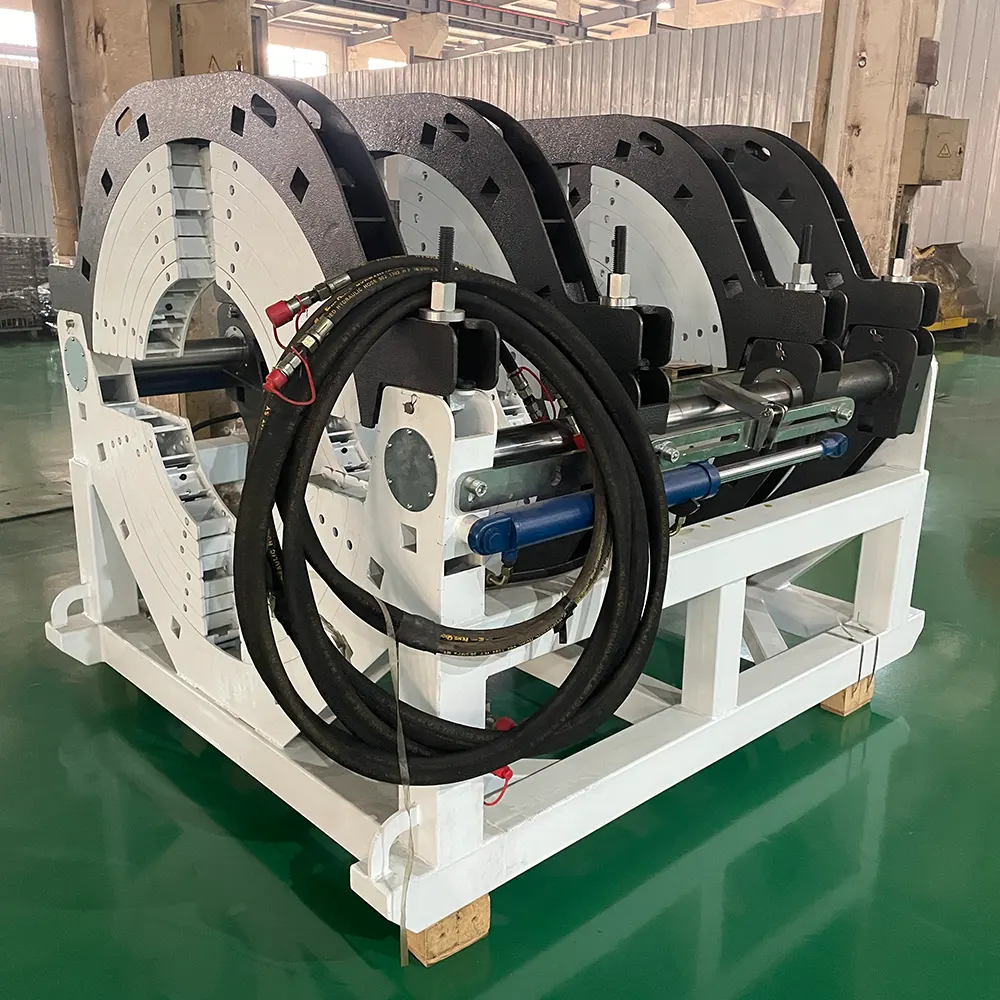
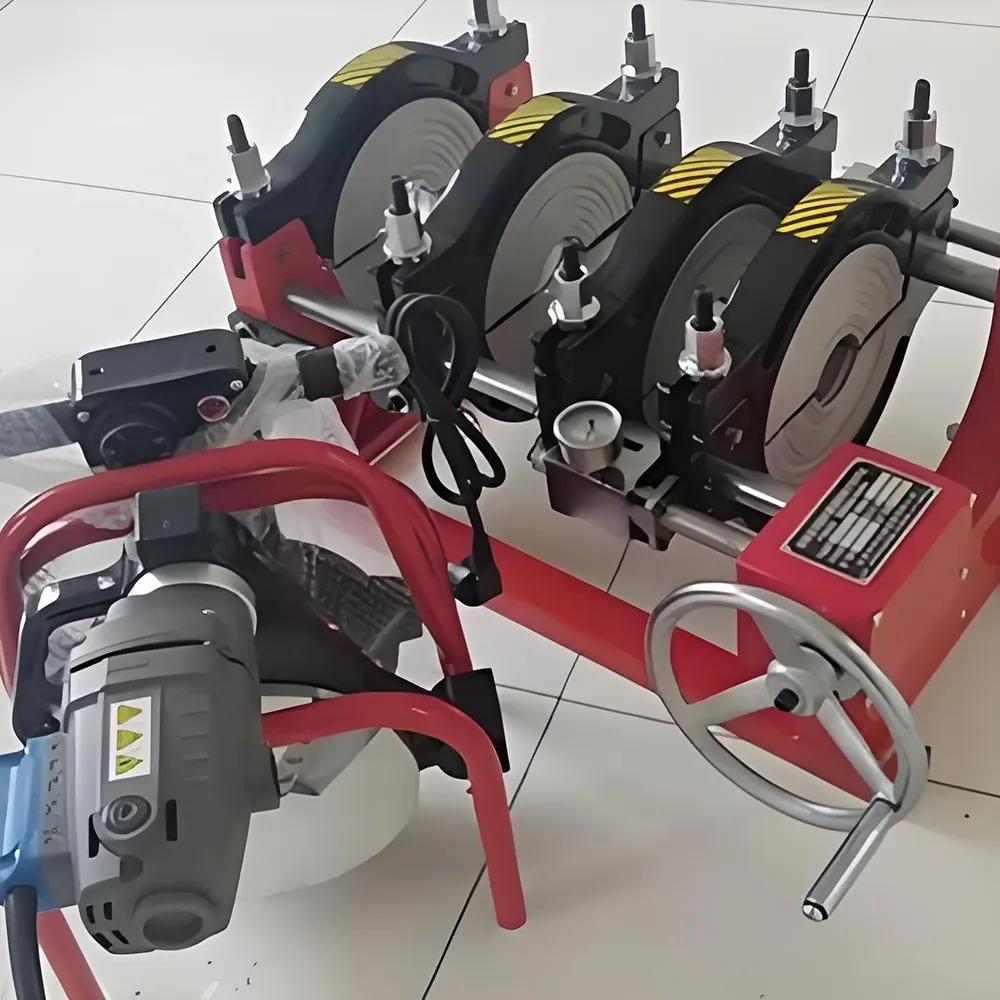
Accurate pressure control starts with calibrated equipment. Check gauges and hydraulic systems before each job. Use equipment designed for the pipe diameter: manual clamps for small OD, hydraulic or automatic machines for medium-to-large diameters.
Gauge Checks
Verify pressure gauges against a trusted standard gauge at the beginning of each shift. Replace any gauge that drifts beyond tolerance. If using digital controllers, confirm the pressure sensor calibration annually or per manufacturer guidance.
Hydraulic System Best Practices
Inspect hoses and fittings for leaks that can cause pressure loss. Maintain fluid levels and use the correct hydraulic oil. Bleed trapped air from the system to avoid pressure spikes or drops during the cycle.
Execution: Practical Tips for Field Welding
Preparation: ensure pipe ends are squared and clean. Use a facing tool set for uniform faces and consistent melt formation.
Controlled Heating
Start with a low, steady heating pressure — enough to keep pipes in contact but not so high as to restrict melt formation. Monitor the melt bead visually and by bevel depth if possible.
Applying Forge Pressure
Apply forge pressure smoothly and in stages for large diameters. Sudden application can trap voids or cause uneven bead formation. Use manufacturer-recommended values and adjust slightly based on ambient temperature and pipe stiffness.
Ambient Conditions & Adjustments
Cold weather increases stiffness and may require higher forge pressure or extended heating time. Hot weather softens material — reduce pressure slightly to avoid over-extrusion. Document adjustments for consistent quality control.
Quality Assurance & Testing
After cooling, inspect the bead for uniformity and adequate size. Carry out non-destructive testing where required, such as ultrasonic or visual inspection protocols. Hydrostatic or pressure testing the pipeline confirms joint integrity after installation.
Record Keeping
Record pressures, heating times, environmental conditions, and operator details for each weld. These logs support traceability and help detect trends that indicate equipment drift or procedural issues.
Troubleshooting Common Pressure Issues
- Excessive Bead Loss: reduce forge pressure or shorten heating time.
- Cold Welds or Lack of Fusion: increase heating time or verify heating plate temperature and pressure consistency.
- Pressure Drop During Cycle: inspect hydraulic system for leaks, air, or worn seals; recalibrate gauges.
Safety Reminders
Always wear PPE, follow lockout procedures during maintenance, and keep bystanders clear of machines. Controlled pressure reduces the likelihood of sudden movement or equipment strain.
Final Checklist Before Welding
- Confirm machine calibration and gauge accuracy.
- Verify pipe alignment and facing quality.
- Set heating and forge pressures per table and adjust for ambient conditions.
- Document settings and operator information.
Who to Contact for Equipment & Support
For professional butt fusion machines, parts, and technical support, inquire with JQ-Fusion at https://jq-fusionwelding.com/.



