
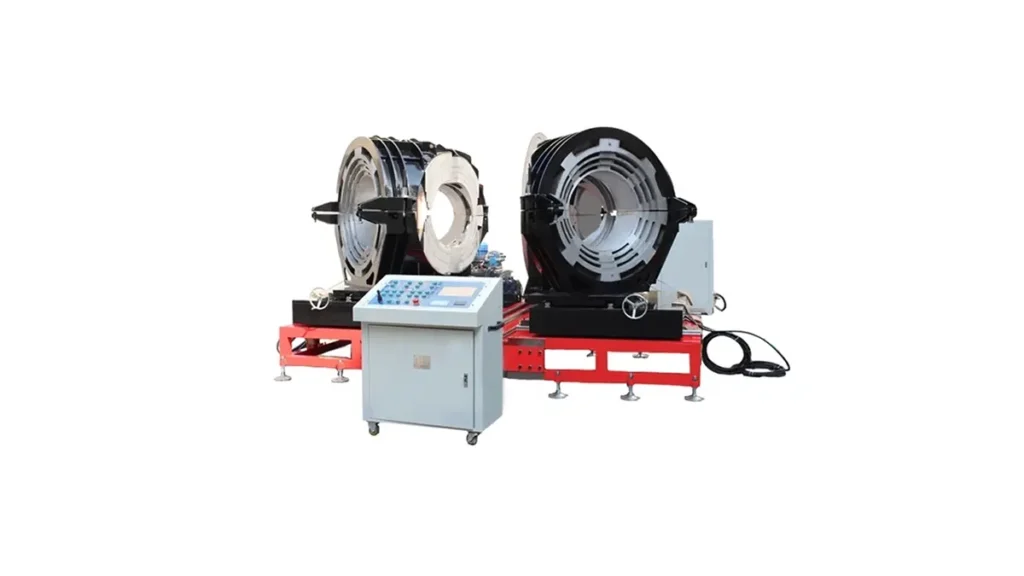
Buying the right engineering welding machine is a critical decision for contractors, utility companies, and fabrication shops working with HDPE and thermoplastic piping systems. This guide walks you through the technical, operational, and commercial factors to consider so you can select a machine that delivers reliable welds, maximizes uptime, and fits your project budget.
Understand Welding Methods and Machine Types
Butt fusion, electrofusion, and multi-angle fitting welding are common for HDPE pipes. Each method requires different equipment:
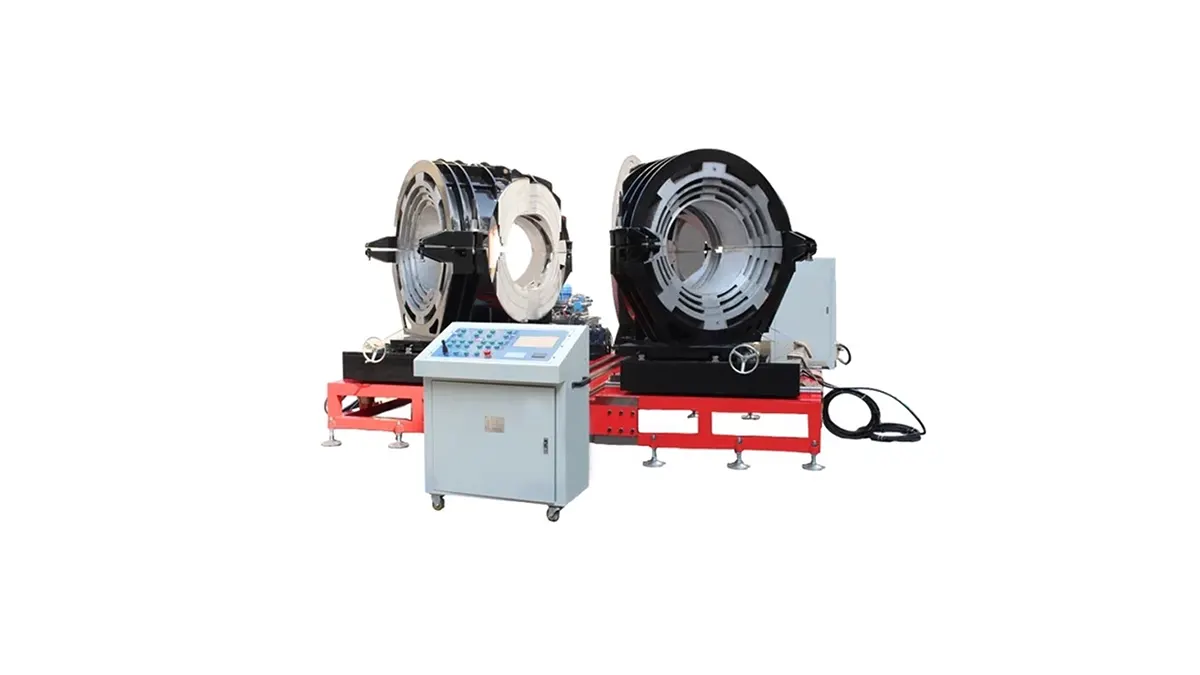
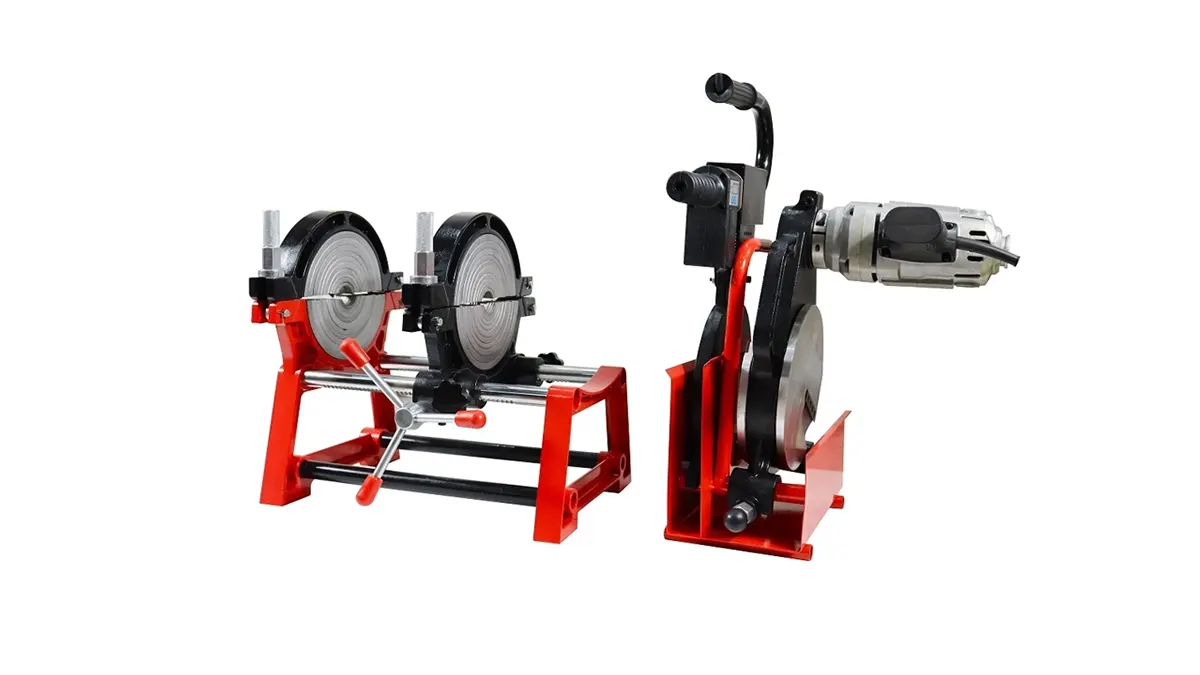
Butt fusion machines: manual, hydraulic, or fully automatic units for straight pipe-to-pipe joints.
Electrofusion units: portable control boxes and clamps for couplers and fittings.
Multi-angle fitting welders: specialized fixtures for T-pieces, reducers, and complex fittings.
How this affects choice
Project scope (pipe size, number of fittings, location), available power, and operator skill determine whether you need a compact manual machine or a CNC automatic system for high-volume work.
Key Technical Specifications to Evaluate
Pipe diameter range: Match the machine’s clamp frame and carriage capacity to the pipes you weld most often. Oversized capacity is helpful for occasional large-diameter jobs but increases cost and footprint.
Heating plate quality and temperature control: Stable, evenly-heated plates reduce cold spots and improve joint strength. Look for precision thermostats and quick-change plates.
Alignment & clamping accuracy: Proper alignment prevents eccentric welds. Robust clamps and repeatable alignment systems are essential for pressure-rated pipelines.
Power and hydraulic systems: Confirm compatibility with your on-site power supply and check hydraulic pressure ratings for consistent fusion forces.
Durability and serviceability
Inspect materials (aluminum vs steel frames), component accessibility, spare parts availability, and whether the manufacturer provides documentation and training support.
Operational Considerations: Site Conditions & Workforce
Assess mobility needs (site-to-site transport), environmental exposure (dust, moisture), and operator skill level. Manual machines are cost-effective for low-volume work; automatic or hydraulic machines improve repeatability for large projects.
Safety and standards
Choose machines compliant with relevant industry standards and equipped with safety interlocks, emergency stops, and clear user interfaces to reduce human error.
Budgeting: Upfront Cost vs Long-Term Value
Balance capital cost with productivity gains and maintenance expenses. Automatic machines often cost more initially but reduce labor time and improve weld consistency. Consider warranty length, local service partners, and spare parts pricing.
| Machine Type | Best For | Typical Diameter Range | Key Advantage |
|---|---|---|---|
| Manual Butt Fusion | Small crews, tight budgets | 20–315 mm | Simple, portable, low cost |
| Hydraulic Butt Fusion | Construction sites, medium to large pipes | 160–2000 mm+ | High clamping force, reliable for large diameters |
| CNC Automatic | High-volume production, precision-critical projects | 50–1600 mm | Repeatable welds, data logging |
| Electrofusion | Repair, fittings, smaller diameter connections | 20–630 mm (depending on fittings) | Portable, ideal for field repairs |
Common Questions to Ask Suppliers
What is the machine’s duty cycle? (How many welds per day can it sustain).
Are training and commissioning included?
What spare parts are stocked locally, and lead times?
Testing and documentation
Ask for sample weld test reports, calibration certificates for temperature controllers, and user manuals. A supplier that provides welding procedure specifications (WPS) and log templates makes compliance easier.
After-Sales Support & Warranty
Reliable technical support, on-site service options, and a clear warranty policy protect your investment. Confirm whether the supplier offers operator training and remote diagnostic assistance.
Partner mention
For a trusted source of HDPE welding equipment and global support, consider JQ-Fusion (https://jq-fusionwelding.com/), a manufacturer offering manual, hydraulic, and CNC automatic butt fusion machines across a wide diameter range.
Final checklist before purchase
Match capacity to your typical pipe sizes; verify heating plate and clamp quality; confirm power/hydraulics compatibility; request warranty and spare parts terms; ensure training and documentation are included.
Tip: When possible, witness a live weld demonstration or request video proof of the machine performing under similar site conditions—this saves time and prevents costly returns.



