When a gas pipeline needs to be built with long-term safety, leak resistance, and dependable service life, the quality of the welding process becomes just as important as the pipe itself. HDPE pipe welding is widely used in gas distribution projects because it creates a joint that can be as strong as, or stronger than, the pipe wall when done correctly. Among the available joining methods, butt fusion welding stands out for its clean process, stable performance, and excellent sealing capability.
For contractors, engineers, and distributors involved in gas infrastructure, understanding how HDPE pipe welding is done helps reduce installation errors and improve project results. It also helps in selecting the right equipment, training operators, and ensuring every welded joint meets strict project standards. In modern gas pipeline construction, the welding process must be controlled from preparation to cooling, because even small mistakes can affect joint quality and safety.
Why HDPE Is a Preferred Material for Gas Pipelines
HDPE, or high-density polyethylene, has become a preferred piping material in gas distribution systems because it combines flexibility, corrosion resistance, and long service life. Unlike metal pipes, HDPE does not rust or corrode in buried environments, which makes it especially suitable for underground gas networks. It also offers good resistance to soil movement and impact, helping reduce the risk of damage during operation.
Another major advantage is that HDPE pipes can be joined by fusion, forming a molecular bond rather than relying on mechanical fittings alone. This is very important in gas pipelines, where leak prevention is critical. A proper fusion joint reduces weak points and supports reliable performance over many years.
Key advantage: HDPE fusion joints are designed to provide a continuous pipeline structure, making them highly suitable for gas applications that demand safety and durability.
What Is Butt Fusion Welding?
Butt fusion welding is one of the most common methods used to join HDPE pipes for gas pipelines. The process involves heating the ends of two pipes until they reach a molten state, then pressing them together under controlled force. After cooling, the two ends become one solid joint.
This method is valued because it creates a uniform connection without adhesives, solvents, or metal fasteners. When the machine settings are correct and the operator follows the procedure carefully, the result is a strong, smooth, and reliable weld.
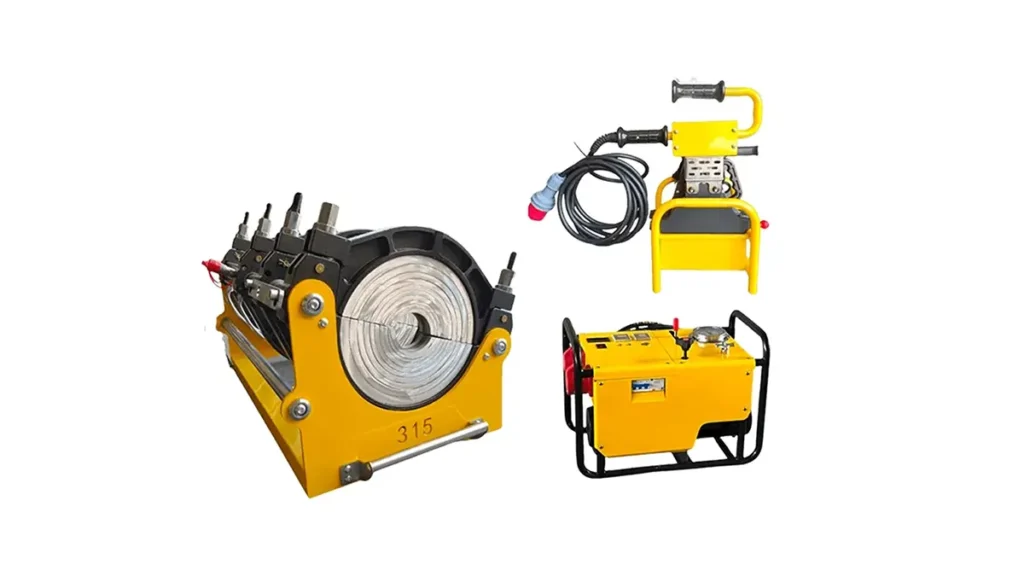
For project teams looking for dependable equipment, a professional butt fusion machine plays a central role in achieving consistent joint quality. The machine must maintain accurate temperature control, hydraulic stability, and correct alignment throughout the welding cycle.
Main Equipment Used in HDPE Pipe Welding
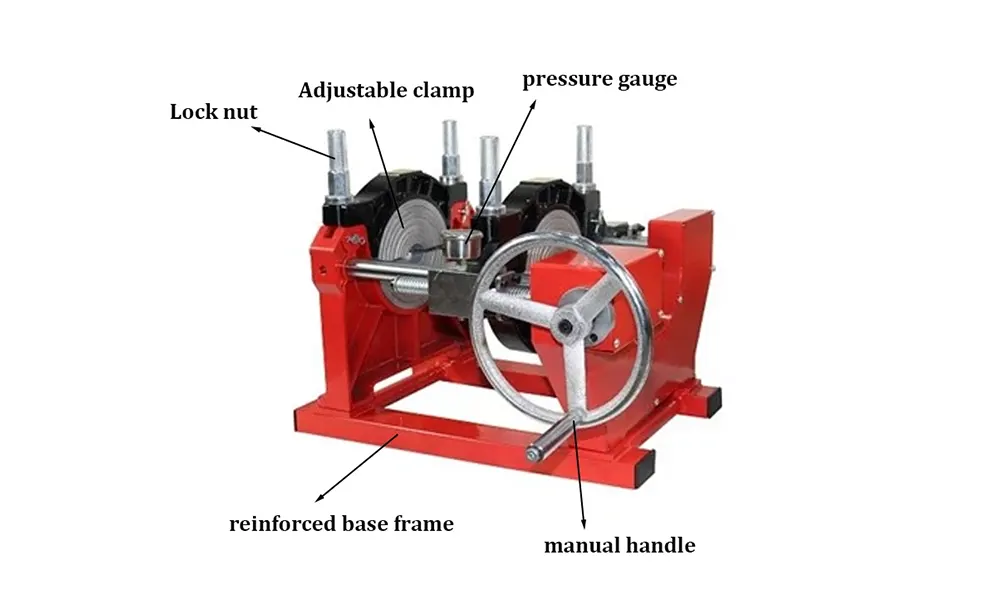
HDPE pipe welding for gas pipelines requires several essential tools and devices. The most important is the butt fusion welding machine, which holds the pipe ends, heats them, and applies pressure during fusion. Depending on the project size, the machine may be manual, hydraulic, or CNC automatic.
Other supporting tools include:
◆ Pipe cutters for obtaining clean, square ends
◆ Facing tools for removing surface irregularities
◆ Heating plate for bringing the pipe ends to fusion temperature
◆ Alignment clamps for keeping the pipe ends centered and stable
◆ Hydraulic system for controlled pressure application
In gas pipeline work, equipment accuracy matters. A machine with poor heating consistency or unstable clamping can produce weak welds, so professional-grade equipment is always recommended. JQ-Fusion provides a wide range of welding solutions for this reason, including manual, hydraulic, and CNC systems for different project demands.
Step-by-Step Process of HDPE Pipe Welding for Gas Pipelines
The butt fusion process follows a clear sequence. Each stage must be completed properly to ensure a high-quality joint. Skipping any step or rushing the process can reduce strength and reliability.
1. Pipe Inspection and Preparation
Before welding begins, the pipe ends must be inspected for damage, dirt, moisture, and deformation. The pipe sizes and wall thickness must match the project requirements. Any contaminated or damaged section should be removed before joining.
Important: Clean, dry, and properly cut pipe ends are the foundation of a reliable fusion joint.
2. Clamping and Alignment
The two pipe sections are placed in the machine clamps and aligned carefully so that the ends are centered. Proper alignment ensures that the heat and pressure are distributed evenly across the joint. If the pipes are misaligned, the weld may develop stress points or irregular bead formation.
Gas pipeline standards usually require precise alignment because the system must maintain long-term sealing integrity. This is one reason why modern machines with accurate clamp systems are widely used on site.
3. Facing the Pipe Ends
A facing tool is used to trim the pipe ends until they are smooth, flat, and parallel. This step removes oxidation and surface defects while creating the correct surface for fusion. The operator should check that both ends are even before moving to heating.
Facing is not just a formality. It directly affects how well the two pipe surfaces contact the heating plate and fuse together afterward.
4. Heating the Pipe Ends
Once the ends are properly prepared, the heating plate is inserted between them. The pipe ends are pressed against the heated surface until a uniform melt bead forms. The temperature must be controlled accurately because overheating can damage the material, while underheating can lead to weak fusion.
The heating time depends on pipe diameter, wall thickness, ambient conditions, and machine specifications. This is why experienced operators and reliable equipment are both essential.
5. Changeover and Joining
After the pipe ends have reached the proper molten state, the heating plate is removed quickly and the two ends are brought together under controlled pressure. This stage must be completed smoothly and within the allowed time window to prevent surface cooling before contact.
The pipe ends fuse together and form a uniform bead around the circumference. This bead is a visible sign that the fusion process has taken place, although the weld should still be inspected carefully.
6. Cooling and Stabilization
After joining, the pipe must remain under pressure for the full cooling period. Cooling allows the molten material to solidify into a durable connection. If the pipe is disturbed too early, the joint strength may be reduced.
Cooling time is often underestimated, but it is one of the most important parts of the process. A correct cooling period helps ensure the weld can withstand pressure, vibration, and long-term service conditions in gas pipelines.
Quality Control in Gas Pipeline Welding
Quality control is essential in gas pipeline construction. A welded joint may look acceptable from the outside, but hidden defects can still affect performance. For this reason, welding teams often use inspection procedures to confirm that every weld meets project requirements.
Typical quality checks include:
◆ Visual inspection of the weld bead shape and symmetry
◆ Temperature verification of the heating plate
◆ Pressure control during fusion and cooling
◆ Clamp alignment review before welding starts
◆ Record keeping for traceability and project documentation
In larger gas projects, some teams also perform non-destructive testing or follow strict welding logs to improve reliability. This helps prevent failures and supports compliance with industry standards.
Operator tip: Stable machine settings and careful record keeping are just as important as welding skill when working on gas pipelines.
Common Welding Problems and How to Avoid Them
Even with quality equipment, problems can happen if the process is not controlled. Understanding common issues can help teams avoid costly rework and safety concerns.
Misalignment
If the pipe ends are not centered properly, the joint may be uneven. Misalignment can create stress concentration and affect the pipe’s ability to carry gas safely. Careful clamping and pre-weld inspection help prevent this problem.
Contamination
Dirt, dust, oil, and moisture can interfere with fusion. Pipe ends should always be cleaned before heating. The work area should also be kept as clean as possible, especially in outdoor installations.
Incorrect Heating
Too much heat or too little heat can weaken the weld. The temperature should be checked regularly, and operators should use the correct fusion parameters for the pipe size and material.
Premature Cooling Disturbance
If the weld is moved before it has fully cooled, the joint may lose strength or develop internal stress. The pipe should remain stationary until the cooling time is complete.
Why Equipment Choice Matters
The quality of a gas pipeline joint depends heavily on the machine used. A well-designed butt fusion machine provides stable pressure, uniform heating, and dependable clamping. These factors help reduce operator error and improve repeatability across multiple welds.
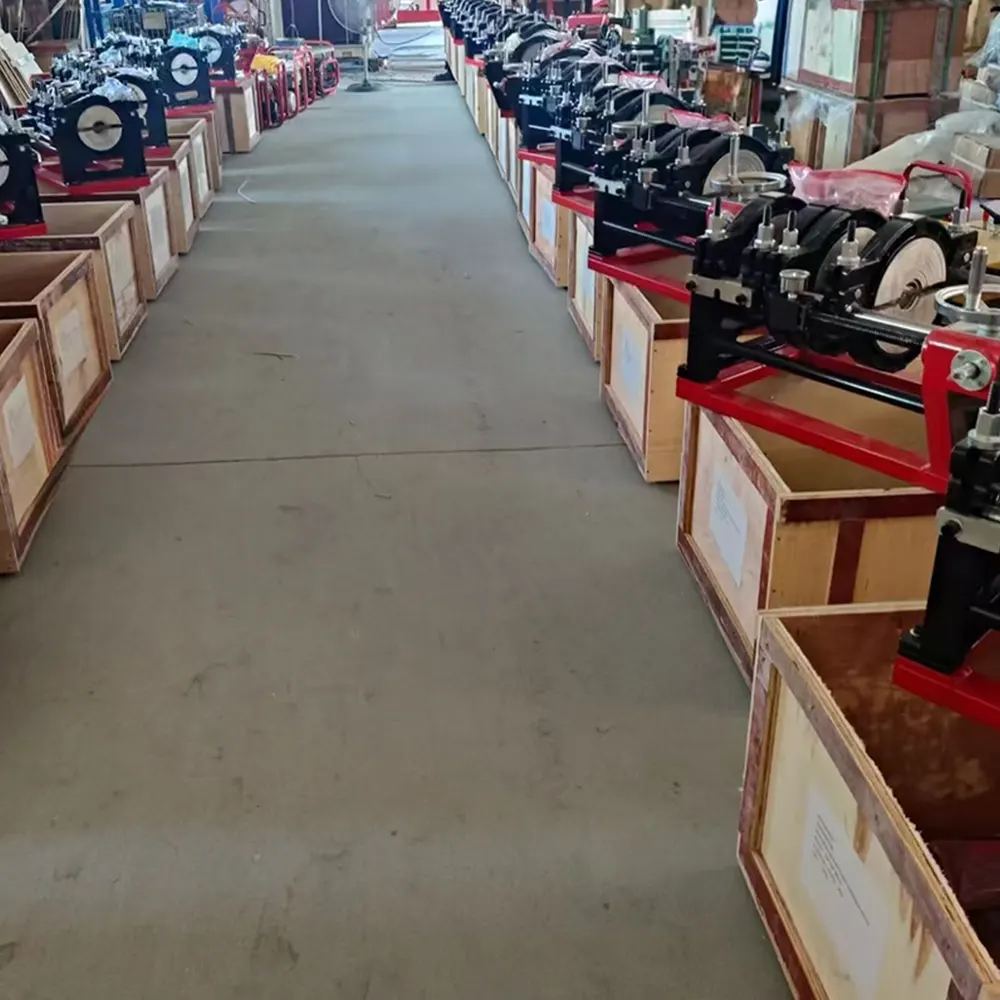
JQ-Fusion is a professional manufacturer focused on HDPE pipe welding machines for pipeline applications around the world. With more than 20 years of industry experience, the company supplies manual, hydraulic, and CNC automatic solutions for water supply, gas distribution, mining, and industrial projects. Its products are manufactured with strict quality control and can be customized for different voltage, color, branding, and project needs.
For contractors and distributors, this kind of support is valuable because it helps match the machine to the job instead of forcing the job to fit the machine. Reliable equipment can improve productivity, reduce failures, and support smoother project execution.
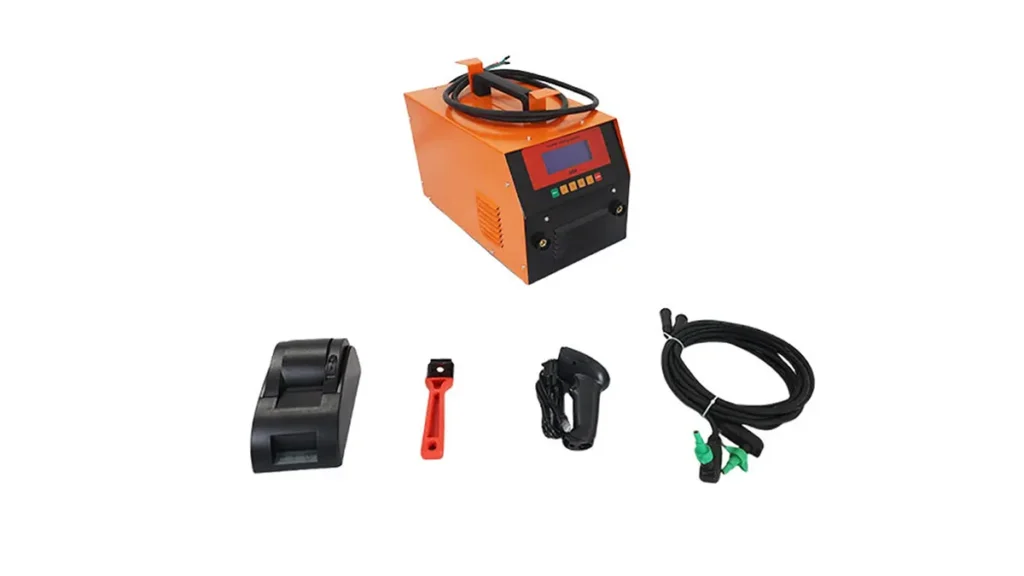
JQ-Fusion also provides options across a wide product range, including hydraulic butt fusion welding machines, automatic butt fusion welding machines, electrofusion welding machines, and multi-angle pipe fitting welding machines. This makes it easier to select a suitable solution for different pipeline environments.
Best Practices for Gas Pipeline Fusion Welding
To achieve consistent results, welding teams should follow several best practices:
◆ Use properly calibrated equipment
◆ Train operators thoroughly before site work begins
◆ Keep all pipe ends clean and dry
◆ Follow the correct fusion parameters for each pipe size
◆ Allow the full cooling time before handling the joint
These practices are simple, but they make a major difference in project quality. In gas systems, every joint matters, so process discipline is essential.
How Modern Manufacturers Support Better Welding Results
Modern manufacturers contribute directly to welding quality by improving machine accuracy, durability, and usability. Advanced production lines, precision machining, and strict testing help ensure that every unit performs consistently in real-world conditions.
JQ-Fusion’s manufacturing approach includes temperature accuracy checks, hydraulic pressure stability testing, and clamp alignment inspection. These details help users achieve more stable welding results in field conditions. The company also provides global support, fast logistics, and technical guidance, which are useful for contractors managing urgent project schedules.
Such support is especially important in gas pipeline projects where downtime can be costly. Having dependable equipment and responsive service helps teams stay on track and maintain installation quality.
Conclusion
HDPE pipe welding for gas pipelines is a precise process that depends on proper preparation, correct temperature control, accurate alignment, and sufficient cooling time. When butt fusion welding is done well, it creates a strong, leak-resistant joint that supports the safety and long service life required in gas distribution networks.
For project teams, the combination of trained operators, strict quality control, and reliable equipment is the key to success. Whether the project is a small installation or a large-scale gas infrastructure system, investing in the right welding method helps reduce risk and improve performance over time.
FAQ
1. Why is butt fusion welding widely used for gas pipelines?
Because it forms a strong molecular bond between HDPE pipe ends, helping create a leak-resistant and durable joint suitable for gas service.
2. What is the most important factor in HDPE pipe welding?
Accurate control of alignment, temperature, pressure, and cooling time is essential for producing a reliable weld.
3. Can damaged or dirty pipe ends be welded directly?
No. Pipe ends must be clean, dry, and properly prepared before fusion. Contamination can weaken the joint.
4. How do I choose the right welding machine for a gas project?
Select a machine based on pipe diameter, project scale, required automation level, and site conditions. Reliable technical support is also important.
5. What makes a good fusion weld bead?
A good bead is uniform, symmetric, and formed under stable temperature and pressure conditions according to the correct welding procedure.