
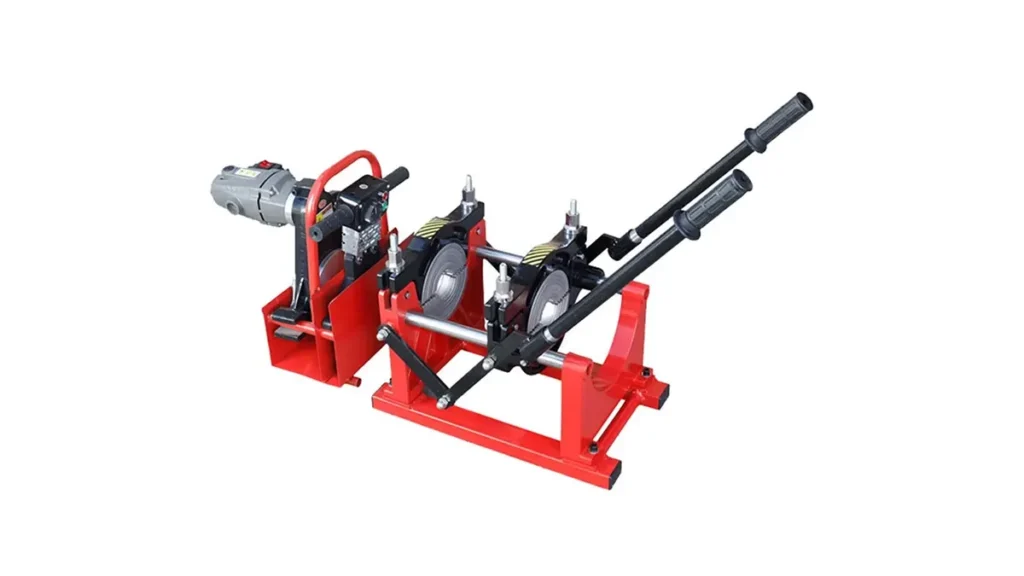
When buyers start comparing industrial welding equipment, one of the first questions they ask is simple: What factors affect the price of a plastic pipe welding machine? The answer is not always straightforward. Prices vary widely because these machines are designed for different pipe materials, sizes, working environments, power systems, and automation levels. A basic manual unit for small-diameter pipes may cost far less than a heavy-duty hydraulic or CNC model built for large municipal, mining, or industrial pipeline projects.
The market for plastic pipe welding equipment is also shaped by manufacturing quality, control systems, customization, and after-sales support. A low-priced machine may seem attractive at first, but if it lacks stable temperature control, accurate clamping alignment, or durable components, the total cost of ownership can quickly rise. On the other hand, a machine with better performance and longer service life can deliver greater value over time.
To make a smart purchasing decision, it helps to understand the major price drivers before requesting a quote. Below, we break down the most important factors that influence the cost of a plastic pipe welding machine, and explain how buyers can balance budget, quality, and project requirements.
1. Machine Type and Automation Level
The biggest price difference usually comes from the machine type. Plastic pipe welding machines are available in several configurations, including manual, hydraulic, and fully automatic systems. Each type is built for a different level of operation efficiency and welding precision.
Manual machines are generally the most affordable. They are often used for smaller projects, light-duty applications, or buyers who need simple operation with lower investment. Their structure is basic, and they require more operator involvement during the welding process.
Hydraulic machines usually cost more because they offer stronger clamping force, improved stability, and better consistency for medium to large pipe diameters. These models are popular in water supply and gas distribution projects where welding reliability matters.
At the higher end, CNC or fully automatic machines include intelligent control systems, programmable welding procedures, and enhanced data management. These features increase the purchase price, but they also reduce human error, improve repeatability, and save labor costs in large-scale operations.
For businesses comparing options, the right choice depends on workload, technical skill, and project demand. A lower-cost machine is not always the best value if it slows down production or reduces welding quality.
2. Pipe Diameter Range and Capacity
Another major factor is the diameter range the machine can handle. Machines designed for small pipes are simpler and less expensive. However, as the working capacity increases, the frame structure, heating plate size, hydraulic system, and clamping mechanism all become more robust and costly.
Large-diameter machines require stronger materials, more precise engineering, and higher power output. They must remain stable under greater pressure and maintain accurate alignment across heavier pipe sections. This naturally raises manufacturing and shipping costs.
If your business handles multiple pipe sizes, choosing a machine with a wider diameter range may cost more initially, but it can improve flexibility and reduce the need to buy additional equipment later. For buyers with narrow project requirements, a more compact machine may be the better financial choice.
3. Material Quality and Core Components
The quality of materials and internal components directly affects both performance and price. A machine built with high-grade steel frames, reliable heating plates, precision hydraulic parts, and stable electrical systems will generally cost more than a machine made with lower-cost substitutes.
High-quality components improve temperature accuracy, pressure stability, and long-term durability. They also reduce downtime and maintenance frequency. In industrial applications, these benefits can be worth far more than the initial savings from cheaper parts.
Key components that influence price include:
⚙ Heating plate performance
⚙ Hydraulic pump and pressure control system
⚙ Clamping frame accuracy
⚙ Electrical control panel quality
⚙ Cutter and trimmer reliability
When these parts are sourced from trusted suppliers and assembled under strict quality control, the price goes up, but so does the consistency of the finished welds. For critical projects, that difference is often essential.
4. Manufacturing Technology and Production Standards
The production method behind a plastic pipe welding machine is another important price driver. Advanced factories use precision machining, automated assembly lines, and multi-stage testing to ensure stable operation. These manufacturing systems require investment in equipment, labor, and quality control, which is reflected in the final product price.
Brands with advanced engineering capability often deliver better alignment accuracy, smoother operation, and more durable mechanical structures. For example, a factory that performs temperature accuracy checks, clamp alignment inspections, and hydraulic stability testing is likely to produce more reliable machines than one that skips these processes.
This is one reason why reputable manufacturers such as butt fusion machine suppliers can command different price levels depending on the level of engineering and quality assurance included in the product.
5. Customization and OEM/ODM Requirements
Customization can significantly change the price of a machine. Standard models are usually more affordable because they are produced in larger quantities with fixed specifications. Once buyers request special colors, voltage settings, branding, structural changes, or project-specific functional upgrades, the cost rises.
OEM and ODM customization is especially important for distributors, contractors, and private-label businesses. It helps companies build their own market identity, but it also adds engineering time, material changes, and additional testing requirements.
Common customization requests include:
✓ Voltage adaptation for different countries
✓ Logo and branding design
✓ Machine color customization
✓ Special clamp sizes or frame modifications
✓ Additional safety or control functions
If your project needs are unique, customization may be worth the extra cost. If not, a standard model can offer a better balance between price and delivery speed.
6. Certifications and Compliance
Machines that meet international standards and carry recognized certifications often cost more because certification involves testing, documentation, and compliance work. However, this cost can be valuable for importers, government projects, and companies operating under strict safety rules.
Certified equipment gives buyers more confidence in performance and legality. It also helps reduce risk in markets where quality approval is important. For example, products certified by organizations such as SGS are often perceived as more reliable because they have passed verified evaluation processes.
If your project involves public infrastructure, gas networks, or export market requirements, certification is not just a bonus feature. It can be a necessary purchase condition, and that requirement may affect the final price substantially.
7. Brand Reputation and Industry Experience
Brand reputation plays a major role in machine pricing. Manufacturers with more than 20 years of experience, a proven export record, and strong technical support usually price their machines higher than new or unknown suppliers. The reason is simple: buyers are not only paying for hardware, but also for experience, reliability, and service assurance.
Companies with a strong history in HDPE pipeline welding equipment often provide better technical guidance, spare parts availability, and long-term performance consistency. Their pricing reflects the value of this complete support system.
Why experience matters: experienced manufacturers understand real project challenges, such as unstable site conditions, varying pipe materials, and different operator skill levels. This leads to better machine design and fewer field issues.
8. Production Capacity, Inventory, and Delivery Speed
Availability can also influence price. Manufacturers with large inventories and efficient supply chains may offer faster delivery, but sometimes their prices reflect the cost of maintaining stock. Buyers who need urgent shipment often pay a premium for quick processing, ready stock, or special logistics arrangements.
For large contractors, fast delivery can be more valuable than a small discount. Delays in welding equipment can hold back entire pipeline schedules, causing labor and project management costs to rise. In that case, a slightly higher machine price may actually reduce total project cost.
Some suppliers also offer different pricing based on order volume. Bulk orders may receive lower unit pricing, while small orders may cost more per machine due to packaging, handling, and transport expenses.
9. After-Sales Service, Training, and Technical Support
Support services are often overlooked when buyers compare quotes, but they can strongly affect the real value of a machine. A supplier that provides installation guidance, operator training, troubleshooting help, and spare parts support may charge more upfront, yet save the customer money over the machine’s lifetime.
In practical use, a welding machine is only as good as the support behind it. If the machine is not easy to install or maintain, project downtime can become expensive. That is why many professional buyers prefer suppliers that offer full technical support from selection to after-sales service.
Better service can lower total cost even if the initial quote is higher. For industrial buyers, this often makes the purchase more economical in the long run.
10. Shipping, Packaging, and Global Trade Factors
International transportation also affects final pricing. Larger machines are heavy, bulky, and sometimes require reinforced packing, wooden crates, or special loading methods. Freight charges, insurance, customs procedures, and destination taxes can all add to the delivered cost.
Global market conditions, exchange rates, and raw material fluctuations also influence pricing. When steel, electrical parts, or hydraulic components become more expensive, machine prices may rise accordingly. Similarly, shipping bottlenecks can cause temporary cost increases.
Buyers should always ask whether a quoted price includes shipping, packing, tax, and documentation. A low factory price may not remain low once all delivery costs are added.
How to Evaluate Whether a Price Is Fair
The best way to judge price is not by looking at the number alone, but by comparing what is included. A fair quote should consider machine type, working capacity, material quality, control accuracy, certification, support, and delivery terms.
When reviewing offers, ask these questions:
• Does the machine match your pipe diameter and material requirements?
• Are the core components high quality and durable?
• Is the supplier experienced in global pipeline projects?
• Does the price include technical support or training?
• Are customization and certification included or extra?
A cheaper machine may work for light use, but for professional contractors and distributors, value depends on performance, uptime, and service. A reliable machine from an experienced manufacturer can often deliver a much better return on investment.
Final Thoughts
The price of a plastic pipe welding machine depends on more than just size or brand. It is shaped by automation level, pipe diameter range, material quality, manufacturing standards, customization, certification, logistics, and after-sales support. Understanding these factors helps buyers avoid overpaying and choose equipment that truly fits their project needs.
If you are purchasing for water supply, gas distribution, mining, or industrial pipeline work, focus on long-term value rather than only the lowest quote. A well-built machine with stable performance, good support, and proper certification is often the most cost-effective choice over time.
Frequently Asked Questions
1. Why do plastic pipe welding machine prices vary so much?
Prices vary because machines differ in automation level, pipe capacity, build quality, control systems, certifications, and service support. A basic manual model and a CNC automatic model are designed for very different workloads, so their costs are naturally different.
2. Is a more expensive machine always better?
Not always. The best machine is the one that matches your actual project requirements. If you only need a simple solution for small pipes, a high-end automatic system may be unnecessary. For larger or more demanding jobs, however, a higher-priced model can offer better value.
3. What should I check before comparing quotations?
Check the machine type, pipe diameter range, heating system, hydraulic stability, control accuracy, certification, delivery time, and after-sales support. Also confirm whether shipping and taxes are included in the price.
4. Does OEM or ODM customization increase the price?
Yes. Customization usually increases cost because it requires design changes, additional engineering, special components, and extra testing. However, it can be worthwhile for distributors or buyers with special project needs.
5. How can I reduce purchase cost without sacrificing quality?
Choose the right machine for your application, compare suppliers carefully, ask about inventory and delivery options, and focus on durable components and reliable support. A machine with good performance and lower maintenance can be more economical than a cheaper but unreliable option.



