
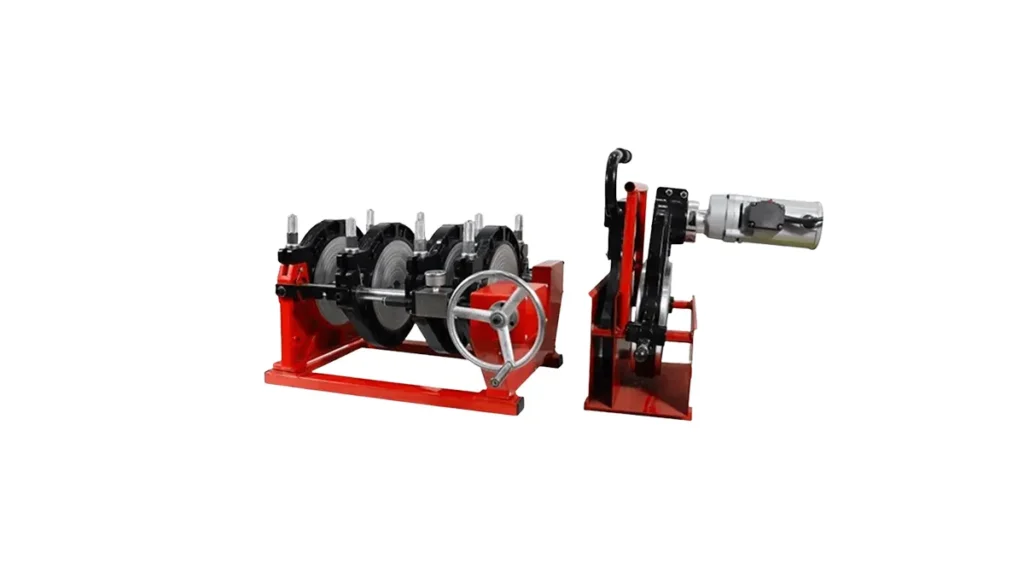
Selecting the right pipe welding machine manufacturer can make or break the success of a pipeline project. From installation speed and joint reliability to lifecycle costs and on-site support, the decision affects safety, budget, and long-term maintenance. This guide helps procurement managers, contractors, and engineers compare suppliers, verify technical claims, and arrive at a confident purchasing decision.
Why the manufacturer matters for pipe welding equipment
High-quality welding machines ensure consistent butt fusion or electrofusion joints across a project. A reputable maker delivers precise temperature control, durable mechanical components, and clear process documentation — all critical when working with HDPE, MDPE, or PP pipelines. Poorly matched equipment increases rework, leads to leaks, and raises overall project risk.
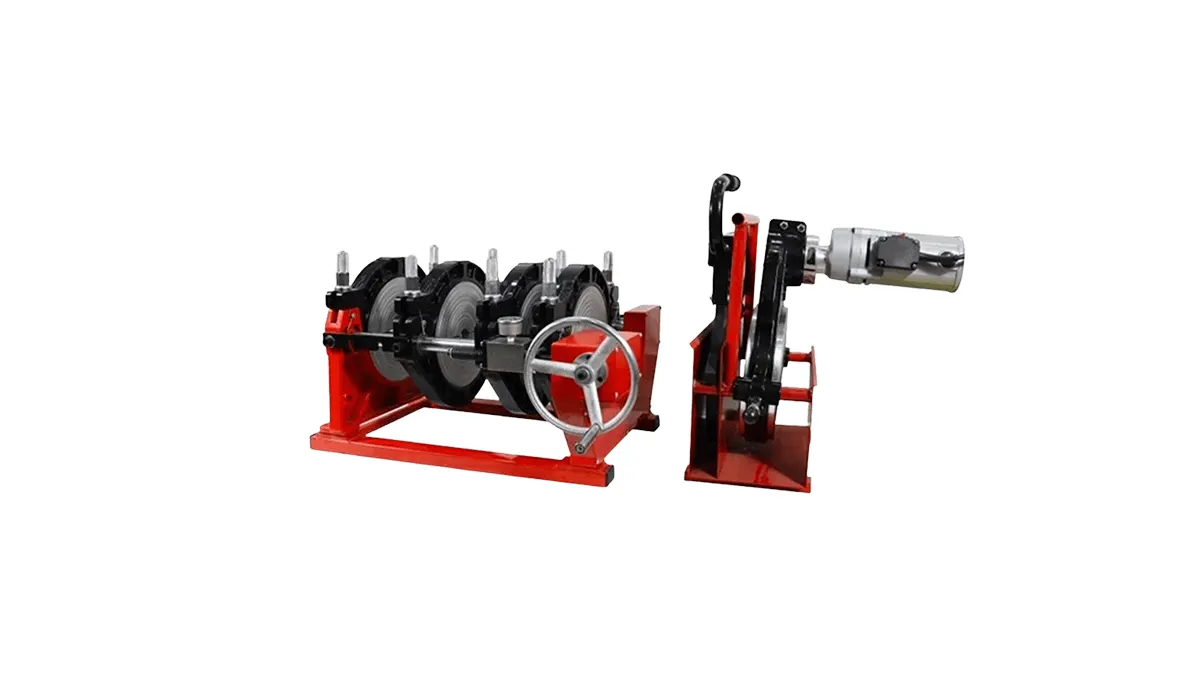
Top selection criteria to evaluate suppliers
-
Product range and compatibility — Make sure the maker offers machines for the pipe diameters and materials used in your project (manual, hydraulic, automatic, multi-angle fittings, electrofusion).
-
Build quality and components — Look for hardened steel frames, precision clamps, quality heating plates, and reliable hydraulic systems that reduce downtime and extend service life.
-
Process control & traceability — CNC or digital controllers that log welding parameters improve QA/QC and are often required for large infrastructure projects.
-
Certifications and testing — ISO, CE and relevant industry test reports demonstrate compliance with international standards and welding consistency.
-
After-sales support — Evaluate spare-part availability, training programs, and field service response times to avoid schedule risks.
-
Customization and scalability — A manufacturer who can tailor clamping sizes, carriage lengths or automation features helps future-proof your fleet.
-
Price vs total cost of ownership — Consider warranty terms, consumables, maintenance intervals and energy efficiency, not just the purchase price.
Comparing common pipe welding machine types
| Type | Best for | Diameter range | Automation | Typical lead time |
|---|---|---|---|---|
| Manual Butt Fusion | Small jobs, remote sites | 20–315 mm | Low | Short |
| Hydraulic Butt Fusion | Medium to large pipelines | 160–2000+ mm | Medium | Medium |
| Automatic/CNC Machines | High-volume, traceable welding | 50–2000 mm | High | Longer |
| Electrofusion | Controlled fittings, repair work | 20–630 mm (fittings) | Device-dependent | Short–Medium |
Certifications, sampling and factory acceptance
Ask for material certificates, weld test records, and sample welds. Good manufacturers permit factory acceptance tests (FAT) and provide machine calibration reports. These documents speed regulatory approvals and give confidence in repeatable joint quality.
Support, training and spare parts strategy
Confirm the supplier’s spare parts lead times and stock policies in your region. On-site training programs for operators and supervisors are vital for consistent welds; even the best machine performs poorly under untrained crews. Prioritize vendors who offer tailored training packages and clear troubleshooting guides.
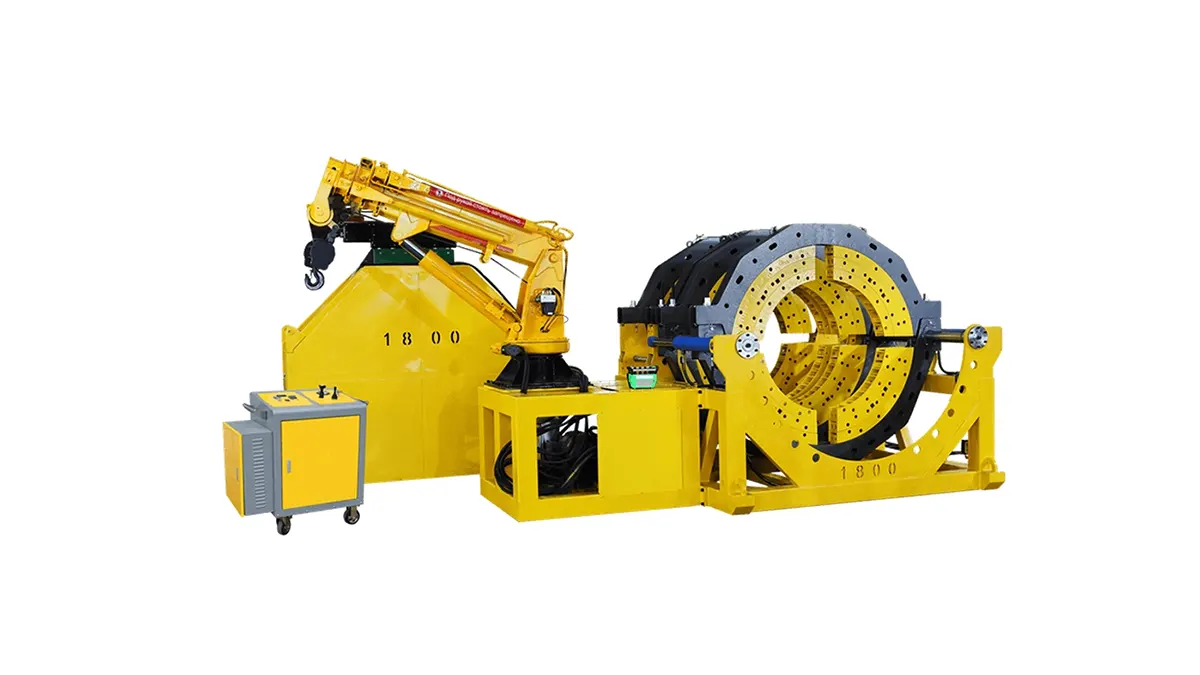
How to shortlist and evaluate suppliers
Start with a list of 3–5 makers and request datasheets, reference projects, and lead times. Perform a quick scoring using criteria such as: technical fit (30%), QA documentation (20%), service & parts (20%), price & warranty (20%), and delivery schedule (10%). For bids that pass, request a sample FAT or pilot unit for on-site evaluation.
Final procurement checklist before purchase
Key items to verify: machine performance specs, spare parts list, warranty scope, training plan, calibration & traceability documentation, and a signed service SLA if required. When you need a comprehensive butt fusion solution from a trusted manufacturer, consider reaching out to JQ-Fusion (https://jq-fusionwelding.com/) to review models that match your project’s diameter range and automation needs.



