
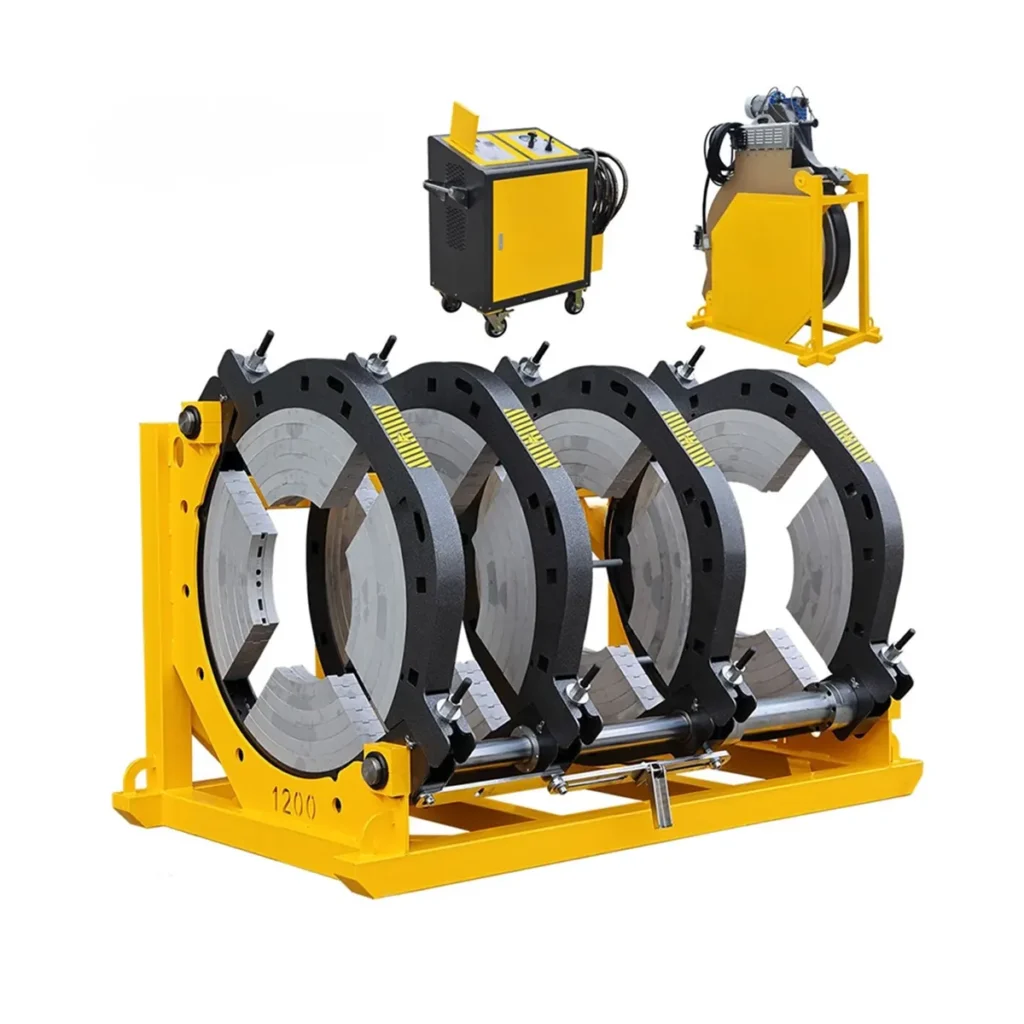
Choosing the right PE pipe heat fusion machine involves balancing budget, production speed, joint quality, and long-term maintenance costs. This guide breaks down the main price drivers, compares common machine types, and shows how to match a butt fusion solution to your project’s scale and goals.
What Affects PE Pipe Heat Fusion Machine Price?
Machine type: Manual units cost less but require skilled operators. Hydraulic and CNC automatic machines command higher prices because they deliver consistent pressure control, faster cycles, and better repeatability.
Rated pipe size range: Models that handle large-diameter HDPE pipes (e.g., 800mm–2250mm) use heavier frames and more powerful hydraulic systems, increasing cost. Small-diameter machines for 20–160mm lines are much more affordable.
Control & automation: Digital PLCs, temperature logging, and automatic cycle control raise the price but improve weld traceability and reduce operator error — valuable for municipal and gas projects where compliance matters.
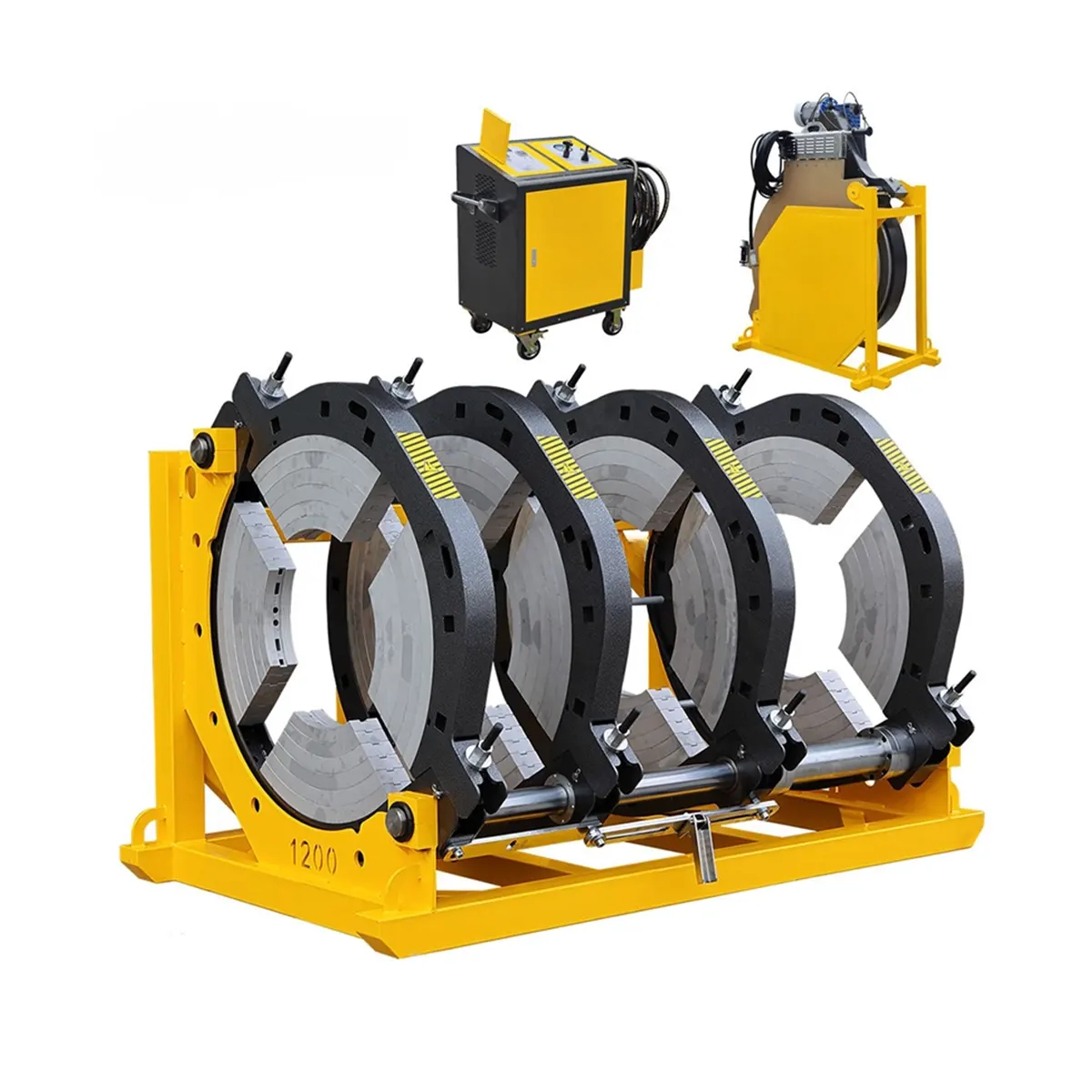
Other Cost Drivers to Consider
Heating plate and cutters: Higher-quality aluminum heating plates and precision trimmers last longer and produce cleaner weld preparations.
Hydraulic power pack & materials: Reliable pumps and sealed fittings are a must in harsh environments; cheaper components can increase downtime costs.
Certifications & warranty: Machines with third-party certifications and longer warranties are priced higher but reduce procurement risk for critical projects.
Typical Price Ranges (Quick Reference)
| Machine Type | Typical Price Range (USD) | Best For |
|---|---|---|
| Manual Butt Fusion (20–160mm) | $800 – $4,000 | Small contractors, repairs, low-volume jobs |
| Hydraulic Butt Fusion (160–1000mm) | $6,000 – $45,000 | Utility installations, medium-large pipelines |
| CNC / Automatic (up to 1600mm+) | $20,000 – $150,000+ | High-volume, precision-critical projects, long-term contractors |
| Electrofusion Units (for fittings) | $1,000 – $8,000 | Service connections, small-diameter joins |
How to Pick the Right Machine for Your Project
1. Define project scale: For one-off repairs or small rural networks, a manual or entry hydraulic unit is cost-effective. For pipeline contractors or municipal programs, prioritize hydraulic or CNC models for speed and traceability.
2. Match diameter capability: Confirm the machine’s clamping range exceeds the largest pipe you’ll weld. Oversizing protects future flexibility but raises upfront cost.
3. Evaluate cycle time and yield: Faster heating and alignment systems reduce labor cost per joint — calculate payback if the machine will be used frequently.
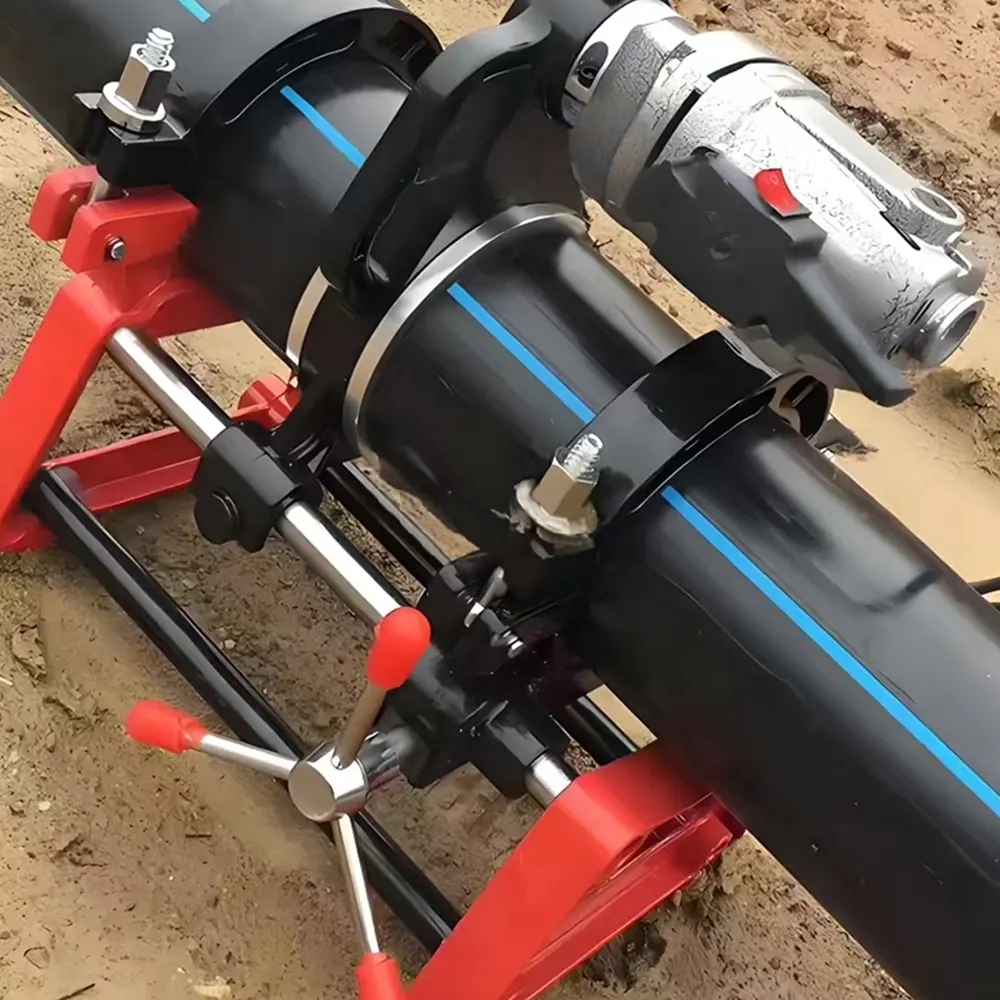
Decision Checklist Before Buying
• Required pipe diameter range and SDR values
• Daily weld count expectation and cycle time needs
• Required documentation (trace logs, printouts, calibration)
• Service network, spare parts lead time, and warranty terms
• Jobsite power and transport constraints (e.g., remote sites vs. workshop)
Maintenance, Training & Long-Term Value
Maintenance: Budget for routine parts (heating plates, cutters, seals) and at least annual calibration. Proper maintenance extends service life and protects joint integrity.
Operator training: Even the best machine needs trained operators. Factor training costs into total project budget to ensure consistent weld quality and safety.
ROI considerations: When comparing quotes, calculate cost-per-joint across expected production volume. Higher initial cost may be justified by lower labor and rework expenses over the machine lifetime.
Supplier & Warranty Tips
Request documented performance records, CE/ISO certifications (if required), and clear warranty terms. For tailored offers and spare parts support, contact JQ-Fusion at https://jq-fusionwelding.com/.



