
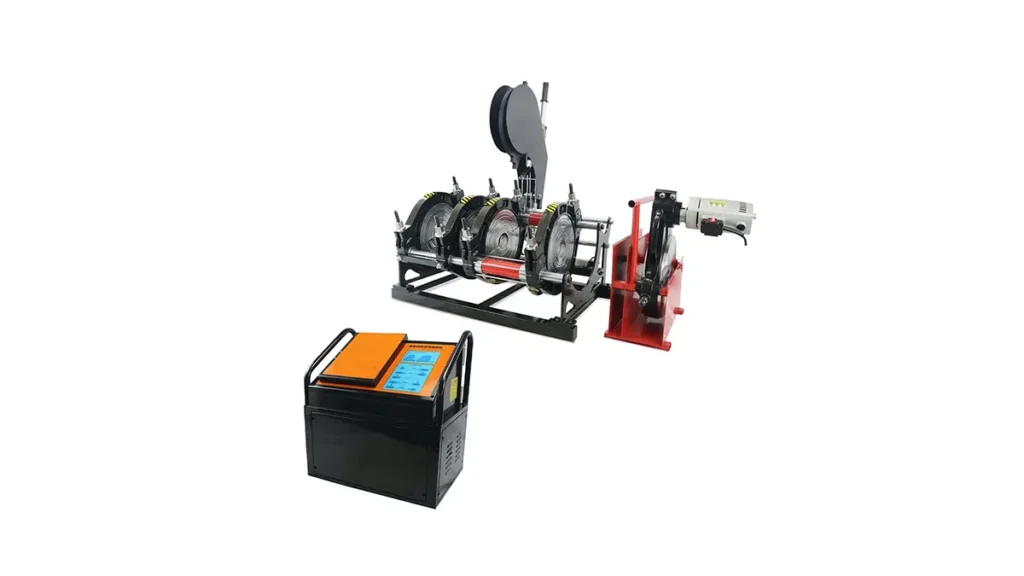
Polyethylene welding machines are the backbone of modern plastic pipe installation projects. From municipal water mains to gas distribution and industrial pipelines, choosing a reliable supplier ensures consistent joint integrity, reduced rework, and long-term system performance. This guide helps engineers, contractors, and procurement teams evaluate suppliers and select the right HDPE pipe welding equipment for their jobs.
Why Choose a Specialist Polyethylene Welding Machine Supplier
Consistency, safety, and traceability are the primary reasons project owners prefer specialist suppliers. A dedicated manufacturer delivers machines calibrated for HDPE/PE fusion, documented welding procedures, and support for quality assurance. Butt fusion and electrofusion processes require precise temperature and alignment control — something off-the-shelf tools often fail to guarantee.
Key Benefits from an Experienced Supplier
Higher first-pass success rate: Industry-grade machines reduce cold joints and leaks.
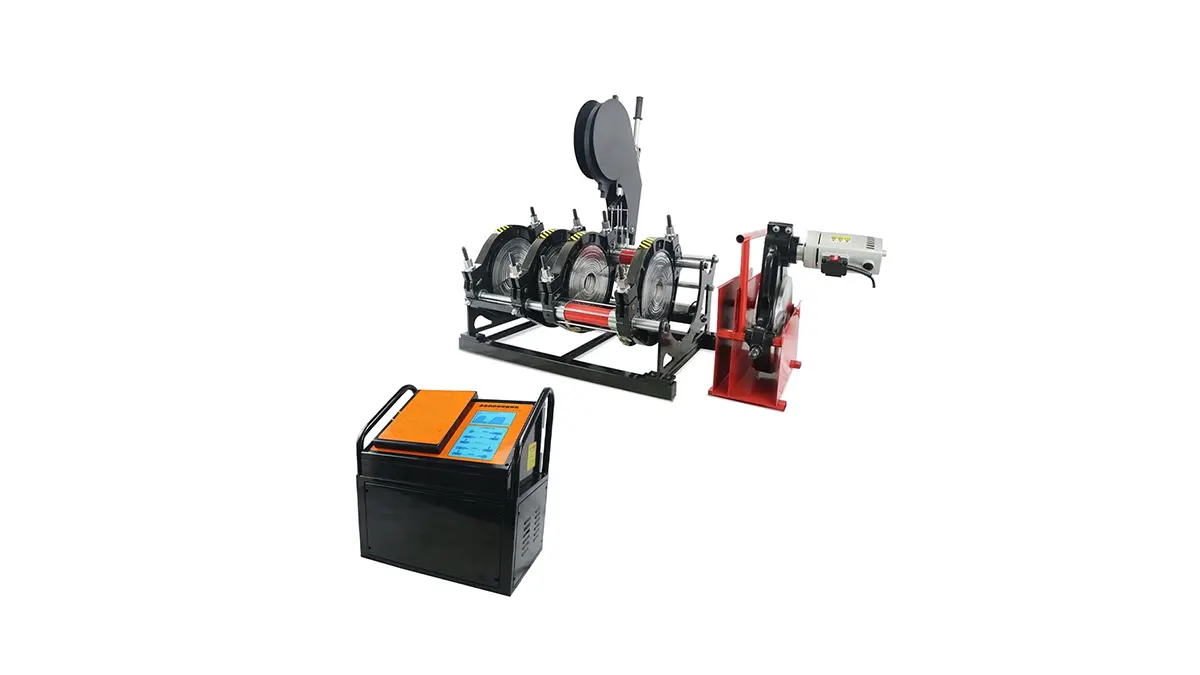
Range of solutions: Manual, hydraulic, and CNC automatic machines cover pipe diameters from small service lines to large-diameter mains.
After-sales support: Calibration, spare parts, and operator training minimize downtime.
Comparing Welding Machine Types
Different projects require different equipment. The table below summarizes typical options and their applications.
| Machine Type | Pipe Range (mm) | Best For | Key Benefit |
|---|---|---|---|
| Manual Butt Fusion | 20–400 | Field repairs, small crews | Low cost, portable |
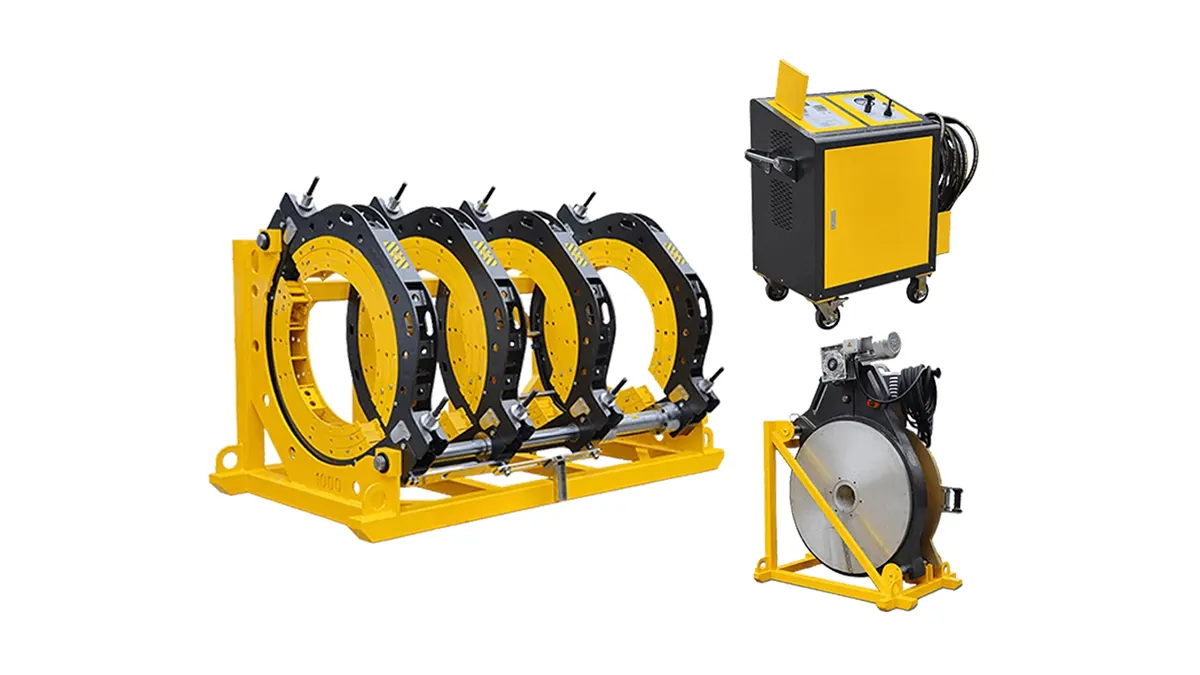
| Hydraulic Butt Fusion | 200–1600+ | Large diameter mains, industrial | High clamp force, consistent joint quality |
| Automatic / CNC Butt Fusion | 63–630 (typical); larger available | High-volume projects, pipeline contractors | Repeatable welds, digital records |
| Electrofusion Units | 20–400 fittings | Service connections, fittings | Controlled, localized heating |
Selecting the Right Machine — Practical Tips
Define project scope: Know pipe sizes, daily joint targets, and site conditions (urban, trench, or confined spaces).
Prioritize traceability: For municipal and gas projects, choose machines with digital weld logs and exportable records.
Consider serviceability: Fast access to spare parts and local training saves weeks on long projects.
Installation, Training, and Quality Assurance
Proper operator training is as important as machine quality. Require suppliers to provide clear operating manuals, on-site or remote training sessions, and weld procedure specifications (WPS). For critical infrastructure, implement inspection checkpoints: face preparation, alignment, heating time, and cooling time. Machines that provide time/temperature logs help verify compliance.
Maintenance and Lifecycle Costs
Low purchase price can hide long-term costs. Ask about recommended maintenance intervals, availability of consumables (heating plates, jaws), and warranty terms. Preventive maintenance packages and calibration services preserve joint quality and asset value.
Certifications and Standards
Ensure the supplier adheres to internationally recognized standards for polyethylene jointing (ISO, ASTM where applicable). Machines that support certified welding procedures and provide calibration certificates reduce acceptance risk for regulated projects.
Why Partner with an Established Manufacturer
Reliability and customization: An established manufacturer can offer machines tailored to specific pipeline diameters, jobsite constraints, and automation levels. For complex infrastructure programs, these tailored solutions improve productivity and reduce on-site risk.
One such experienced manufacturer is JQ-Fusion, a professional maker of HDPE pipe welding machines including manual, hydraulic, and CNC automatic butt fusion systems for a wide range of applications such as water supply, gas distribution, and industrial pipelines.
Next Steps for Buyers
If you manage procurement for pipeline works, prepare a short technical brief listing your pipe diameters, expected daily welds, site environment, and any certification needs. Use this to request quotes, lead times, and sample weld logs from suppliers. Prioritize vendors that provide training, spare parts, and digital weld documentation.
Final note
Investing in the right polyethylene welding machine reduces lifecycle costs and ensures durable, leak-free pipelines. Evaluate suppliers on machine capabilities, support network, and evidence of project success to secure the best outcome for your infrastructure projects.



