
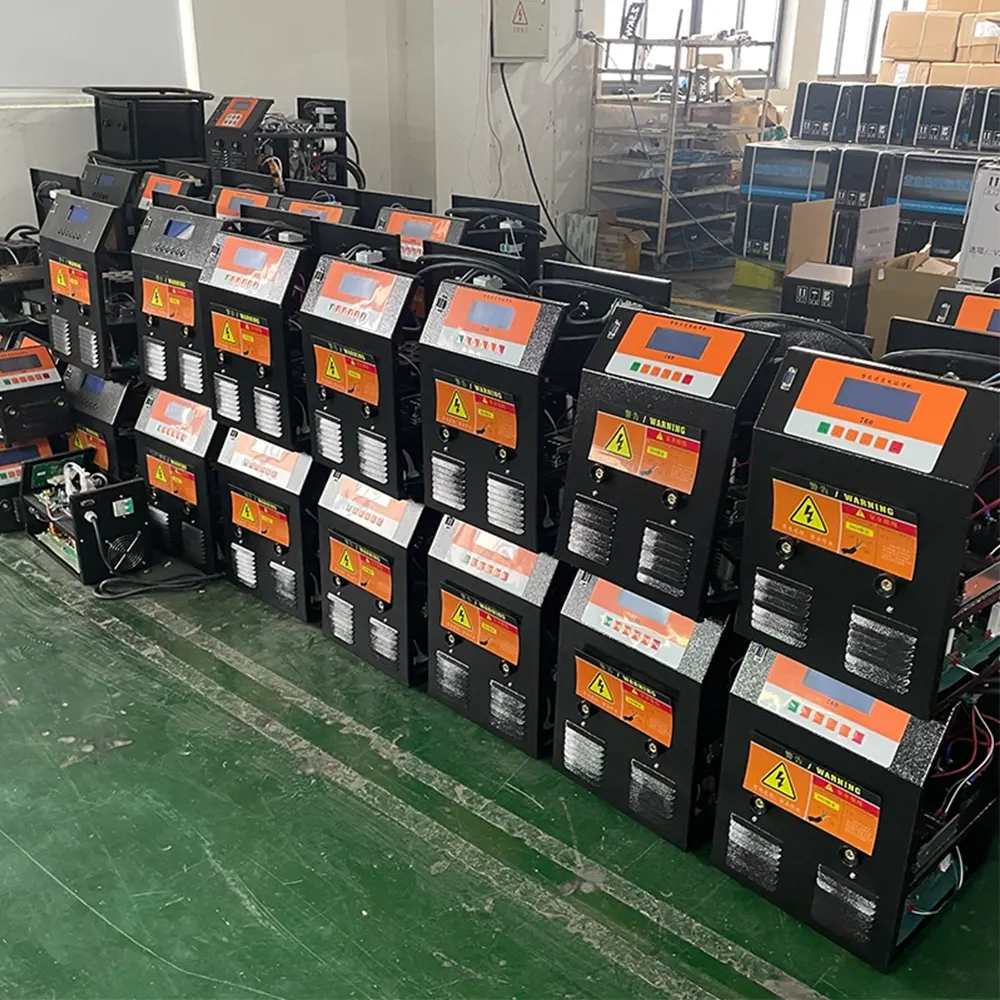
Electrofusion welding machines are essential tools for joining thermoplastic pipes and fittings using specially designed electrofusion couplers. By passing a controlled electric current through embedded heating coils in the fittings, these machines deliver consistent, high-strength joints that are widely used across infrastructure and industrial projects.
Key Industries and Typical Applications
Electrofusion machines are versatile and particularly valuable where leak-free, durable connections are required. Below are the primary industries and real-world scenarios where they shine.
Water Supply Networks
Municipal and rural water distribution systems rely on electrofusion for joining HDPE pipes because it creates corrosion-resistant, watertight joints ideal for potable water, long service life, and minimal maintenance.
Gas Distribution
Electrofusion is widely adopted in natural gas and LPG networks. The method produces reliable, pressure-rated joints that reduce the risk of leaks and are compliant with strict safety standards in gas utilities.
Sewer, Drainage and Wastewater Systems
In underground and buried applications, electrofusion connections withstand soil movement and chemical exposure better than many mechanical alternatives, making them perfect for sewer and stormwater pipelines.
Industrial and Chemical Piping
Plants that transport corrosive or chemically aggressive media choose electrofusion for HDPE and other thermoplastic lines because joints resist chemical attack and can be produced with controlled process records.
Irrigation and Agricultural Systems
Large irrigation networks and farm water distribution systems need cost-effective, durable pipe joints. Electrofusion facilitates fast, field-ready connections that reduce downtime during installation and repairs.
Mining and Slurry Pipelines
Mining operations use electrofusion for pipelines conveying water, slurry, or tailings due to its robustness under harsh conditions, and the method’s ability to ensure leak-free runs over long distances.

Specialized Use Cases
Telecom & Conduit Systems
Electrofusion fittings are used to create secure conduits for fiber-optic and electrical cable protection, offering long-term protection against moisture infiltration.
Geothermal and District Heating
Thermoplastic pipes joined with electrofusion are suitable for heated water circuits and underground loops where thermal cycling resistance and leak prevention are critical.
Prefabrication and Modular Piping
Fabricators use electrofusion in shop environments to produce pre-assembled sections with reliable joints, speeding up onsite installation and improving quality control.
Benefits That Drive Adoption
Electrofusion welding offers consistent, repeatable joints with fewer field variables than traditional mechanical couplings. Key benefits include:
– Long-lasting, homogeneous joints with excellent tensile and pressure resistance.
– Minimal excavation time for repairs and connections in buried pipelines.
– Reduced need for solvents or adhesives, improving safety and environmental performance.
Comparison: Typical Applications at a Glance
| Application | Common Materials | Typical Pipe Sizes | Primary Benefit |
|---|---|---|---|
| Potable Water Distribution | HDPE | 20 mm – 1200 mm | Corrosion-free, leak-proof joints |
| Gas Pipelines | PE80/PE100 | 25 mm – 630 mm | High-safety, pressure-rated connections |
| Industrial Chemical Lines | HDPE, PP | 32 mm – 500 mm | Chemical resistance and durability |
Selecting the Right Electrofusion Machine
Choose equipment that matches the pipe diameters, material types, and on-site power conditions. Modern electrofusion machines include digital controls, stored welding programs, and data logging to meet regulatory and QA/QC requirements.
Why Manufacturers and Contractors Prefer Trusted Suppliers
Reputable suppliers provide machines calibrated to industry standards, spare parts, training, and technical support—important for achieving reliable welds in critical infrastructure. JQ-Fusion provides a range of HDPE pipe welding solutions to support these needs.
Quick Tips for Field Success
– Ensure pipe ends and fittings are clean and square before welding.
– Follow the electrofusion fitting manufacturer’s welding program precisely.
– Keep a record of weld parameters and results for traceability and quality audits.
Electrofusion welding machines are a proven choice for modern pipe systems where joint integrity, longevity, and safety matter. From municipal utilities to industrial plants, their applications continue to expand as thermoplastic piping becomes the standard for many fluid-handling systems.



