
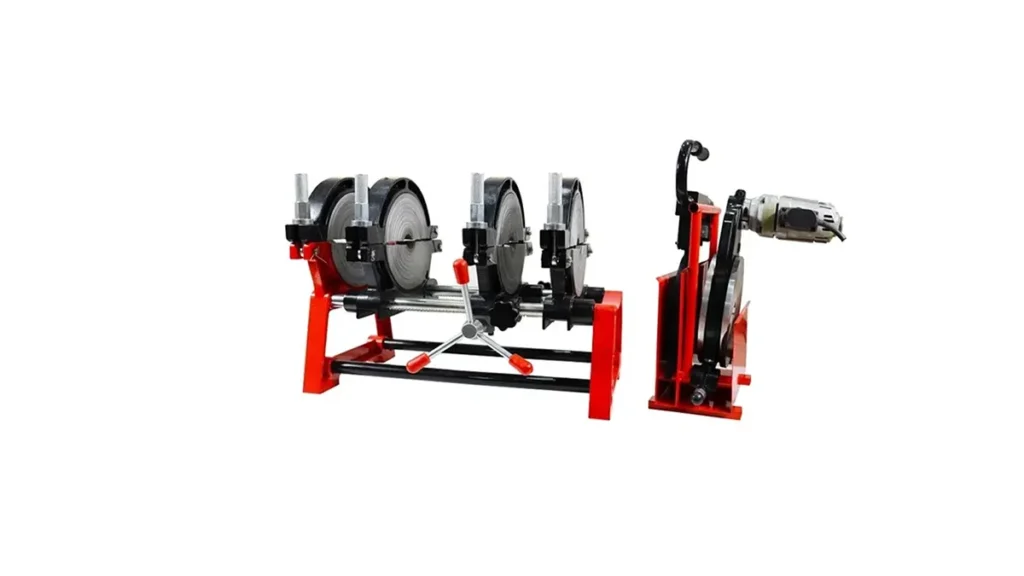
Effective standardization management of pipe welding machines is essential for construction projects that demand reliable HDPE piping systems. This guide explains practical methods to standardize equipment, procedures, and quality control to reduce rework, improve safety, and ensure long-term pipeline integrity.
Why Standardization Matters for Pipe Welding
Standardization creates predictable outcomes across multiple crews, sites, and phases of a project. For HDPE and other thermoplastic pipelines, consistent welding parameters — heating temperature, fusion time, and pressure — determine joint strength and leak-free operation. Standard practices also speed up training, simplify inspections, and support regulatory compliance.
Core Benefits
-
Quality consistency: reduces variability between welds and contractors.
-
Faster onboarding: standardized machines and procedures shorten training time.
-
Traceability: records and calibration schedules enable audits and warranty claims.
-
Safety: common safety checks reduce on-site incidents related to equipment misuse.
Key Elements of Pipe Welding Machine Standardization
To deliver repeatable fusion quality, establish documented controls across equipment selection, calibration, operating procedures, and record-keeping. Below are the practical elements to include in a project-level standardization program.
1. Equipment Classification & Approved Models
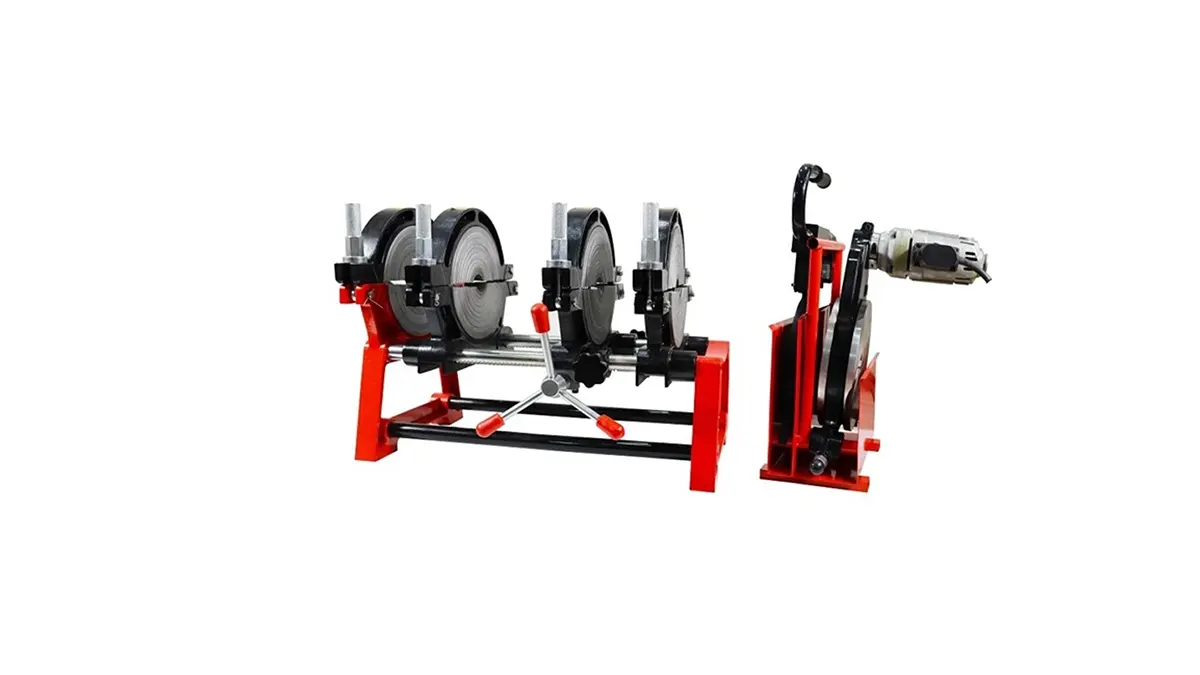
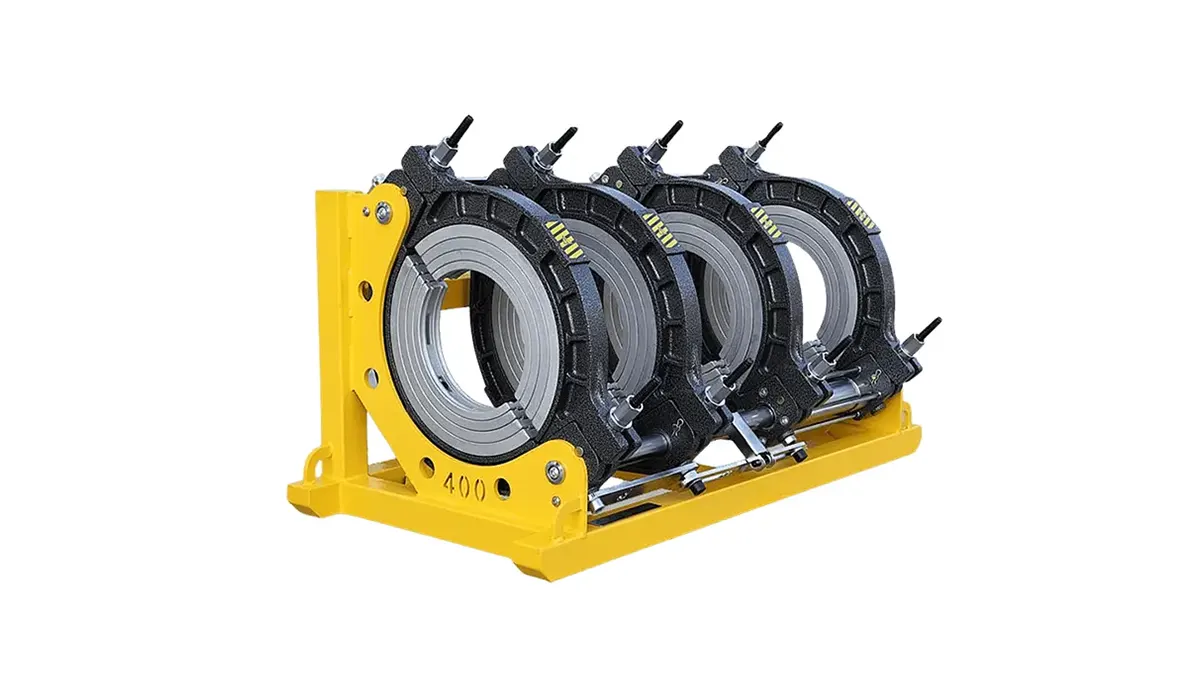
Define approved machine categories (manual, hydraulic, automatic/CNC) and a short list of models for each category that meet site requirements. Include maximum/minimum pipe diameters, clamping systems, and portability considerations for trench vs. spool welding.
2. Calibration & Maintenance Protocols
Set mandatory calibration intervals for heaters, pressure gauges, and alignment systems. Maintain a digital log that captures calibration date, technician, and measured deviations. Routine maintenance reduces downtime and prevents weld failures caused by equipment drift.
3. Welding Procedure Specifications (WPS)
Create project-specific WPS documents that list temperatures, heating times (by pipe OD and SDR), fusion pressure profiles, and cooling times. Require crews to follow the WPS and capture actual parameters on welding reports.
4. Operator Qualification & Training
Implement a training matrix linking machine types to operator competency levels. Use classroom theory plus supervised on-site welding trials. Certify operators only after passing both practical and recorded-performance assessments.
5. On-Site Quality Control & Traceability
Mandate the use of weld logs, unique joint IDs, and photograph capture for each fusion. Establish spot testing frequency (e.g., Peel/tensile tests or non-destructive visual inspection) and corrective action procedures.
Inspection & Maintenance Checklist (Quick Table)
| Item | Frequency | Acceptable Condition |
|---|---|---|
| Heater plate flatness & temperature sensor | Daily / Before shift | Within WPS tolerance |
| Hydraulic pressure system | Weekly | No leaks; stable pressure |
| Clamping jaws & alignment | Before each fusion | Clean, parallel, no damage |
| Documentation completeness | Each weld | Weld report & images attached |
Training, Certification & Supervision
Standardized training ensures operators understand both machine mechanics and fusion theory. Provide a staged certification program: fundamental theory, hands-on machine operation, supervised production welds, and periodic re-certification. Assign experienced supervisors to review welding logs daily and perform random audits.
Implementation Roadmap for Construction Projects
-
Baseline assessment: inventory existing machines, operator skill levels, and current procedures.
-
Define standards: select approved machines, set WPS templates, and inspection criteria.
-
Train & certify: run training sessions and issue competency cards linked to machine types.
-
Rollout controls: implement weld logs, calibration schedules, and a QC sign-off process.
-
Monitor & optimize: collect performance data, analyze failures, and update standards.
Key Performance Indicators (KPIs)
| KPI | Target | Measurement |
|---|---|---|
| Weld pass rate | >98% | Number of accepted welds / total welds |
| Calibration compliance | 100% on schedule | Calibration log entries |
| Operator certification coverage | All operators certified | Training records |
Digital Tools & Records
Adopt mobile reporting tools for weld logs and photo attachments to boost traceability. Digital records speed audits and enable trend analysis to spot recurring issues such as heater plate wear or operator technique deviations.
Procurement and Site Logistics
Standardization guides procurement: buy spare parts, consumables, and approved machine models that match the WPS requirements. Centralize stocking of heater plates, jaw inserts, and hydraulic seals to minimize downtime during long construction campaigns.
Final Operational Tips
Encourage a continuous improvement culture: collect site feedback, update WPS documents when justified, and keep records to support warranty claims or forensic analysis. Where possible, include manufacturers’ recommended checks and parts lists in the standard package for each approved machine model.
For turnkey butt fusion equipment options and technical support related to HDPE pipe welding machines, consult JQ-Fusion for compatible models, spare parts, and training resources.



