
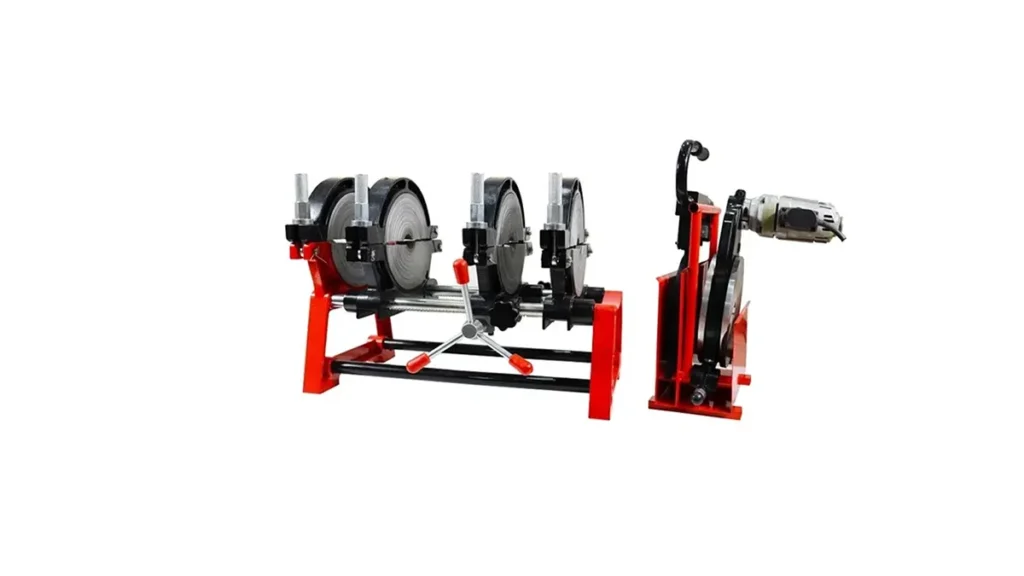
HDPE pipe welding is a core skill on modern construction sites. Even experienced crews can make small errors that lead to leaks, weak joints, and costly rework. This practical guide highlights the most common HDPE pipe welding mistakes during butt fusion and electrofusion, and gives clear, field-ready fixes to improve installation quality and reduce downtime.
Why correct HDPE welding matters
Improper fusion reduces joint strength, shortens pipeline life, and can cause failures under pressure or shifting ground. For water, gas, and industrial pipelines, a properly executed weld ensures safety, regulatory compliance, and long-term performance.
Common mistake 1 — Poor surface preparation
Problem: Dirt, grease, and moisture on pipe ends prevent full polymer fusion. Contaminants create cold spots and weak interfaces.
Fix: Always clean, dry, and then scrape or face the pipe ends with approved tools before heating. Use a clean cloth and avoid touching prepared surfaces with bare hands.
Common mistake 2 — Incorrect alignment and clamping
Problem: Misaligned pipes or loose clamps cause uneven pressure distribution and incomplete fusion around the joint circumference.
Fix: Verify axial and angular alignment before heating. Tighten clamps evenly and confirm alignment after the heating cycle but before final cooling.
Common mistake 3 — Wrong heater plate temperature or contamination
Problem: Using incorrect heater temperature or a scratched/dirty heating plate leads to uneven melt and contamination of the melt surface.
Fix: Calibrate the plate and confirm temperature per material specification. Keep the heater clean, and replace damaged plates promptly.
Common mistake 4 — Inconsistent heating or timing
Problem: Under- or over-heating, or incorrect heating time, causes poor fusion or excessive squeeze-out, weakening the joint.
Fix: Follow manufacturer tables for heating and cooling times relative to pipe diameter and ambient temperature. Use a reliable control unit or timer.
Common mistake 5 — Inadequate cooling time and movement
Problem: Moving or pressurizing a joint too soon can deform the weld and introduce stress points.
Fix: Allow proper cooling under clamp and avoid manipulating the joint until it reaches recommended cool-down time and temperature.
Common mistake 6 — Using wrong fusion method
Problem: Selecting electrofusion for conditions better suited to butt fusion (or vice versa) leads to suboptimal joints.
Fix: Choose the fusion method based on pipe size, site access, and project requirements. For large-diameter mains, butt fusion often provides better structural integrity.
Common mistake 7 — Poor quality fittings and materials
Problem: Low-grade fittings or mismatched SDR ratings cause weak transitions and unpredictable behavior under load.
Fix: Verify material certifications, SDR/SDR11/SDR17 compatibility, and maintain traceability for critical projects.
Common mistake 8 — Not adapting to site conditions
Problem: Cold, windy, or wet environments affect heating and cooling cycles; operators who ignore ambient factors risk bad welds.
Fix: Adjust heating times, protect the joint area with shelter, and record ambient conditions for each weld.
Common mistake 9 — Operator error and lack of training
Problem: Improper technique, rushed cycles, or bypassing QA steps is a leading cause of field failures.
Fix: Implement formal fusion training, certify operators, and require written weld records for critical pipelines.
Common mistake 10 — Skipping inspection and documentation
Problem: No documentation means hidden defects are discovered too late, often after commissioning.
Fix: Use weld logs, photos, and weld test samples. Conduct visual and destructive/non-destructive testing where required.
Quick on-site inspection checklist
Use this compact table to grade weld quality immediately after completion. A short inspection reduces rework risk and supports QA reporting.
| Check | Pass Criteria | Action if Fail |
|---|---|---|
| Surface cleanliness | No dirt, oil, or moisture present | Re-clean and re-face pipe ends |
| Alignment | Even gap and no angular offset | Re-clamp and realign, repeat fusion if needed |
| Bead/squeeze-out | Uniform bead around the joint | Investigate heating/cooling cycle and re-test |
| Cooling time observed | Weld left undisturbed for specified time | Allow full cool and retest; document deviation |
Best practices to avoid rework
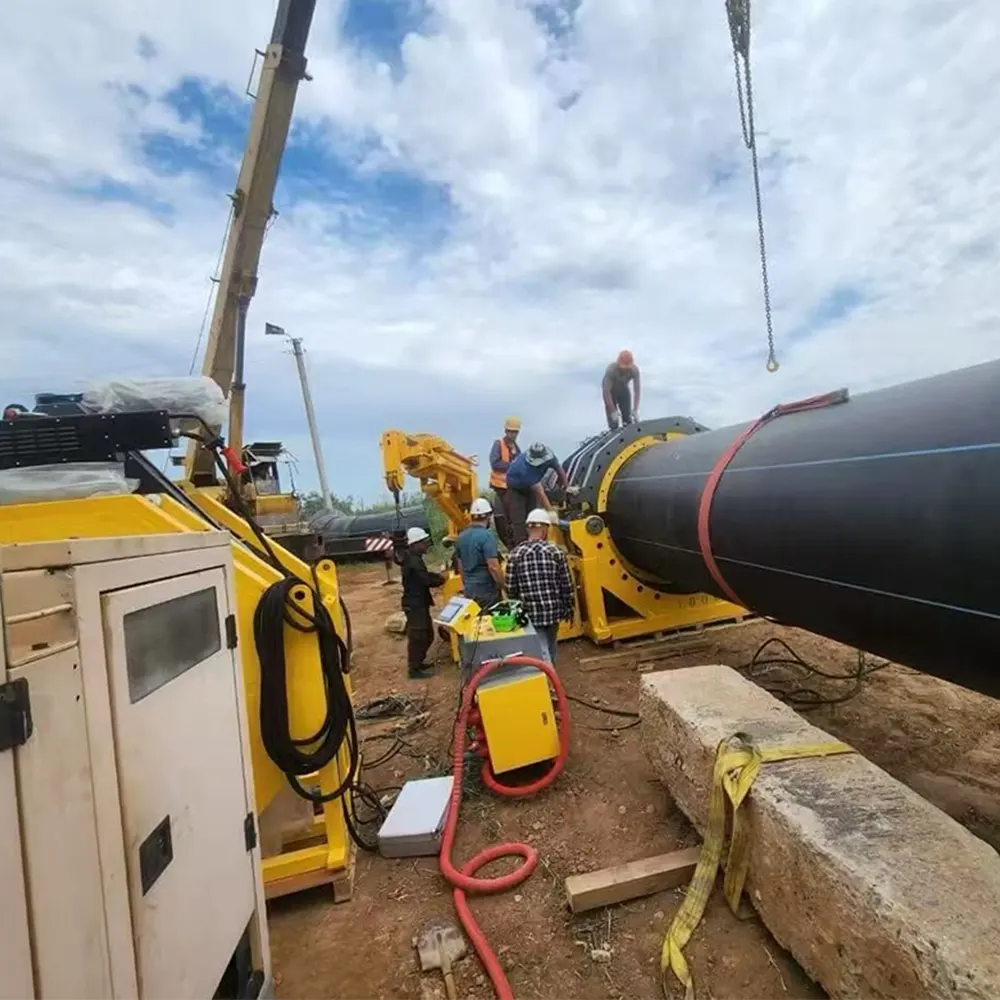
Pre-plan welding sequences, label pipe segments, and create a dedicated clean area for making fusion joints. Use calibrated instruments and keep a simple weld log (date, operator, machine, ambient conditions, and photos).
Choosing equipment and training
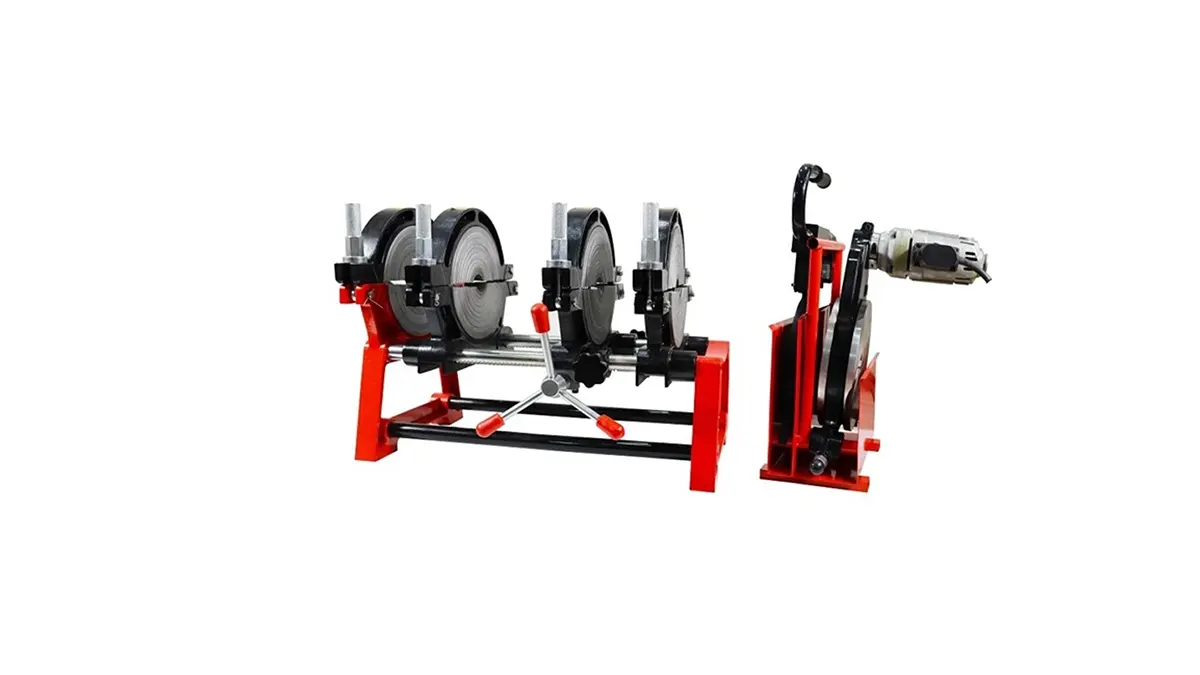
Select machines that match pipe diameters and site demands: manual units for small jobs, hydraulic or CNC automatic units for high-volume or large-diameter lines. Consider equipment with clear controls and data logging to support traceability. JQ-Fusion supplies a range of butt fusion machines designed for field reliability and repeatable results.
Final field tips
Keep spare heater plates, cleaning tools, and a portable shelter for bad weather. Enforce a two-person minimum for large-diameter welds (operator + inspector). Regularly review weld records to spot trends and retrain crews when patterns of failure appear.
Contact & resources
For reliable fusion machines and spare parts, consult JQ-Fusion for model selection and technical support: https://jq-fusionwelding.com/



