
Choosing the right fusion welding machine is critical for achieving consistent, leak-free joints in HDPE and other thermoplastic piping systems. This guide explains the main technologies, performance trade-offs, and practical selection criteria so project managers, contractors, and pipeline installers can select the best solution for reliable pipe joining.
How Fusion Welding Ensures Long-Term Pipe Integrity
Fusion welding creates a homogeneous joint by heating mating pipe ends to melt and fuse the material. Properly executed butt fusion or electrofusion produces a joint that is as strong as, or stronger than, the pipe itself. The result: improved resistance to pressure, bending, and environmental stress compared with mechanical connections.
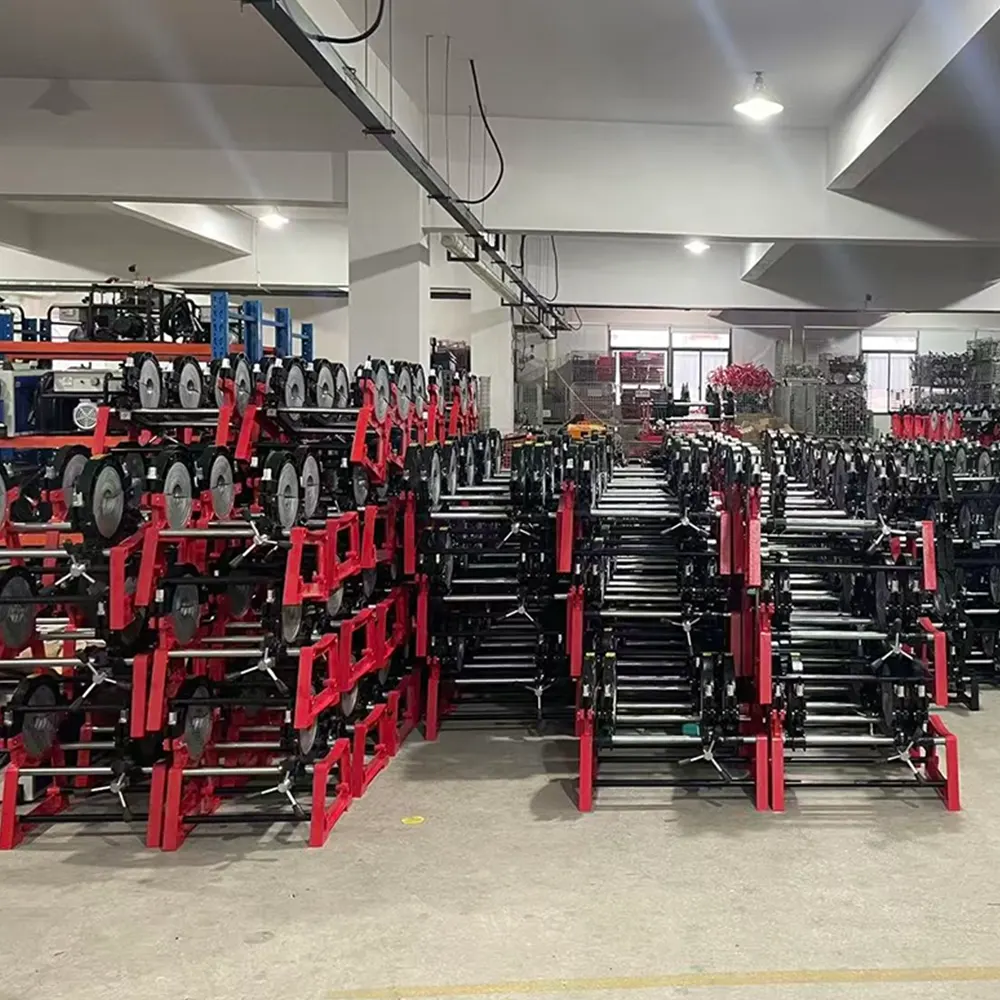
Primary Fusion Technologies
Butt Fusion
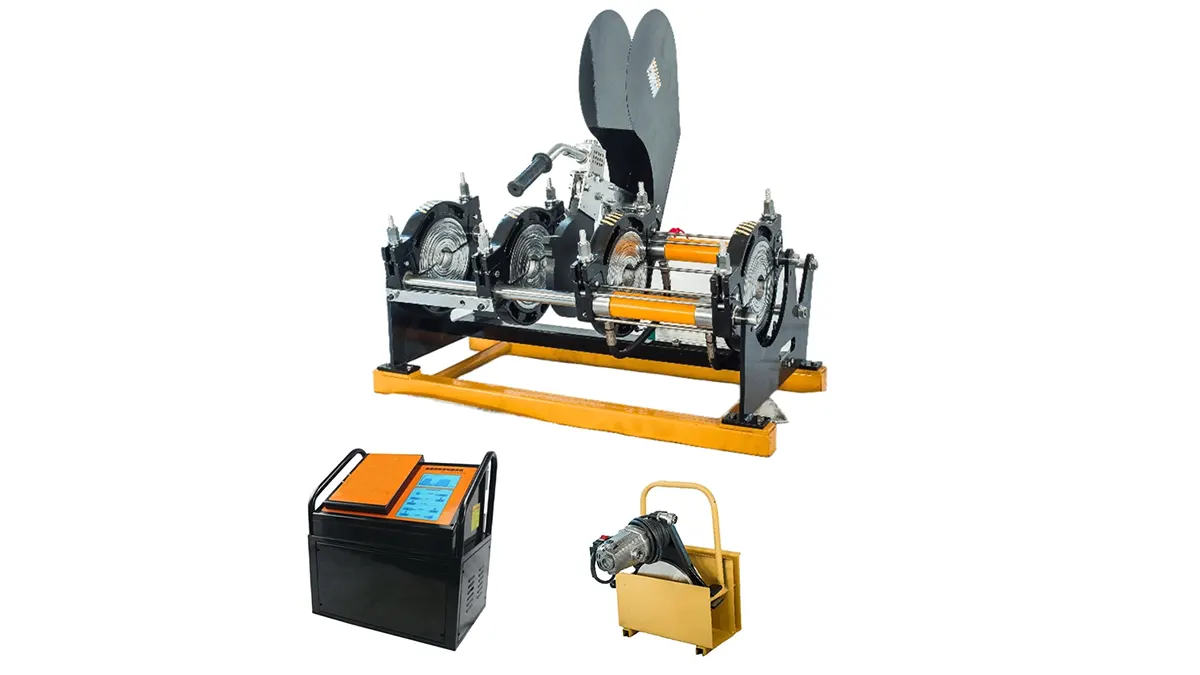
Butt fusion is the most common method for straight pipe runs. It uses a heater plate to heat pipe ends before pressing them together under controlled pressure. Advantages include high joint strength and suitability for a wide range of diameters.
Electrofusion
Electrofusion uses pre-manufactured fittings with embedded heating elements. It is ideal for repairs, fittings, and confined spaces where aligning a butt fusion machine is impractical. Faster set-up for small-diameter pipes, but fittings add cost.
Machine Types at a Glance
| Machine Type | Best For | Key Benefits |
|---|---|---|
| Manual Butt Fusion | Small diameters, remote sites | Low cost, easy to transport, minimal power needs |
| Hydraulic Butt Fusion | Medium to large diameters, pipelines | High clamping force, stable alignment, efficient cycle times |
| Automatic/CNC Butt Fusion | High-volume or precision-critical projects | Consistent parameters, data logging, reduced operator variability |
| Electrofusion Units | Repair work, fittings, tight access | Fast installation, minimal site equipment |
Key Selection Criteria for Reliable Pipe Joining
Select a machine by matching technical capability to project demands. Consider pipe diameter range, site conditions, operator skill level, traceability needs, and budget. Prioritize machines with robust clamping systems, accurate temperature control, and a clear quality assurance workflow.
Practical Questions to Ask Before Buying
-
What pipe sizes will the machine handle? (including future projects)
-
Do you need automatic parameter control and welding records?
-
How often will the equipment be transported or used in remote locations?
-
Are trained welders available, or should the machine minimize operator skill requirements?
Installation, Quality Control, and Training
Proper on-site setup and operator training are as important as machine specs. Follow a documented procedure: surface prep, alignment, heating time, fusion pressure, and cooling period. Use logged parameters and test samples to validate joint quality when required.
Maintenance and Lifecycle Considerations
Regular inspection of heater plates, clamps, hydraulic components, and electrical systems prevents downtime. Replace worn tooling promptly and keep a calibration schedule for temperature and pressure sensors to maintain weld consistency.
Cost vs. Performance: Finding the Right Balance
For occasional small-diameter work, a manual or electrofusion approach may be the most cost-effective. For infrastructure or repeated large-diameter projects, investing in hydraulic or automatic butt fusion machinery yields faster cycles, lower reject rates, and better traceability.
Why Specification Matters
Specify machine capacity, control precision, and reporting features in procurement documents. This reduces the risk of underperforming equipment and ensures the chosen solution matches project expectations.
Work with a Trusted Manufacturer
For reliable butt fusion solutions backed by manufacturing experience and global support, consider JQ-Fusion for a complete range of manual, hydraulic, and automatic machines suited to water, gas, mining, and industrial pipelines.
Next Steps
Outline your project pipe sizes, expected welding volume, and site conditions. Use the table above to shortlist machine types and request machine specifications, sample weld reports, and operator training options from suppliers before final selection.



