
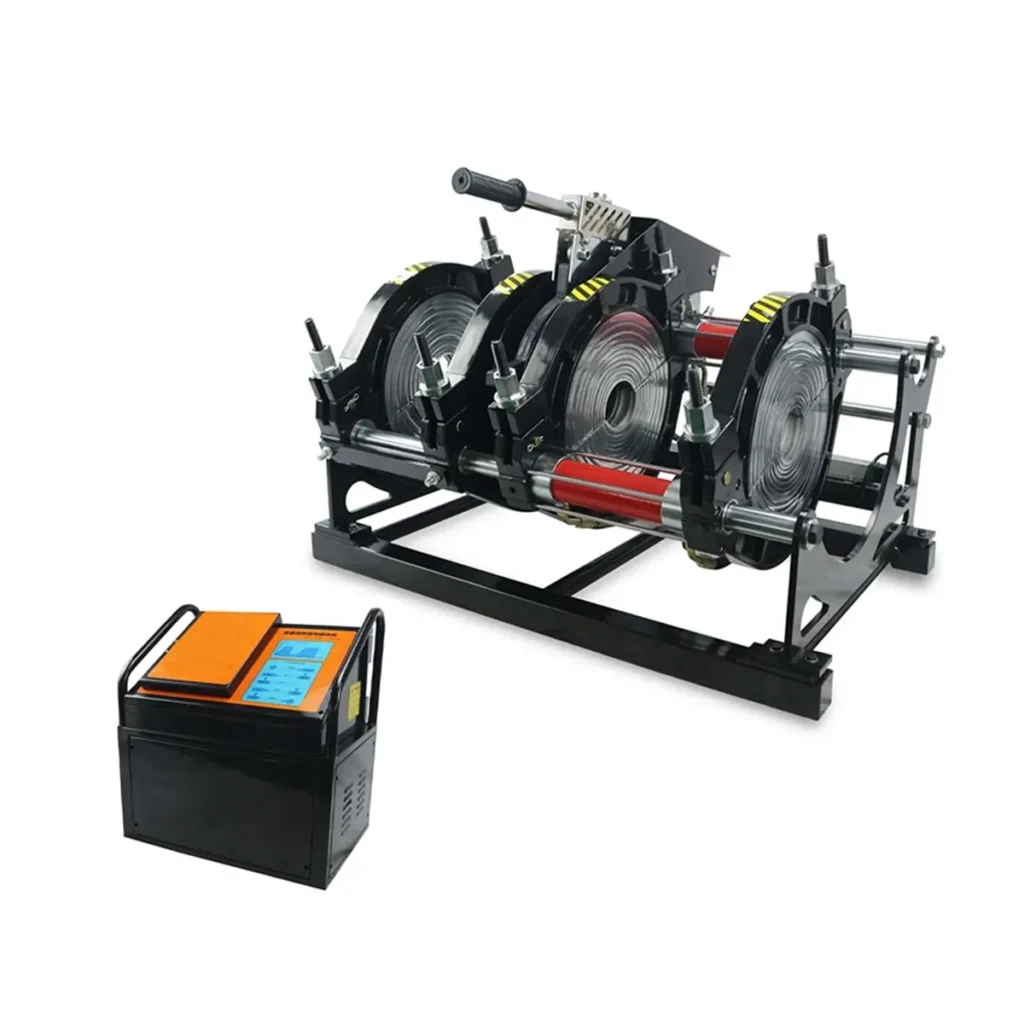
Choosing the right pipeline welding machine can make or break project timelines and long-term pipeline reliability. This guide explains the most important factors—machine types, performance indicators, common applications, and selection tips—so contractors, engineers, and procurement teams can make informed decisions.
Overview: What Pipeline Welding Machines Deliver
Pipeline welding machines are engineered to join thermoplastic pipes such as HDPE using butt fusion or electrofusion methods. Modern equipment balances precision, portability, and repeatable weld quality for infrastructure projects including water supply, gas distribution, mining, and industrial piping systems.
Core advantages
Consistent joint strength, reduced downtime, and traceable process controls are the primary benefits. Investing in the right machine reduces rework and improves long-term system integrity.
Types of Pipeline Welding Machines
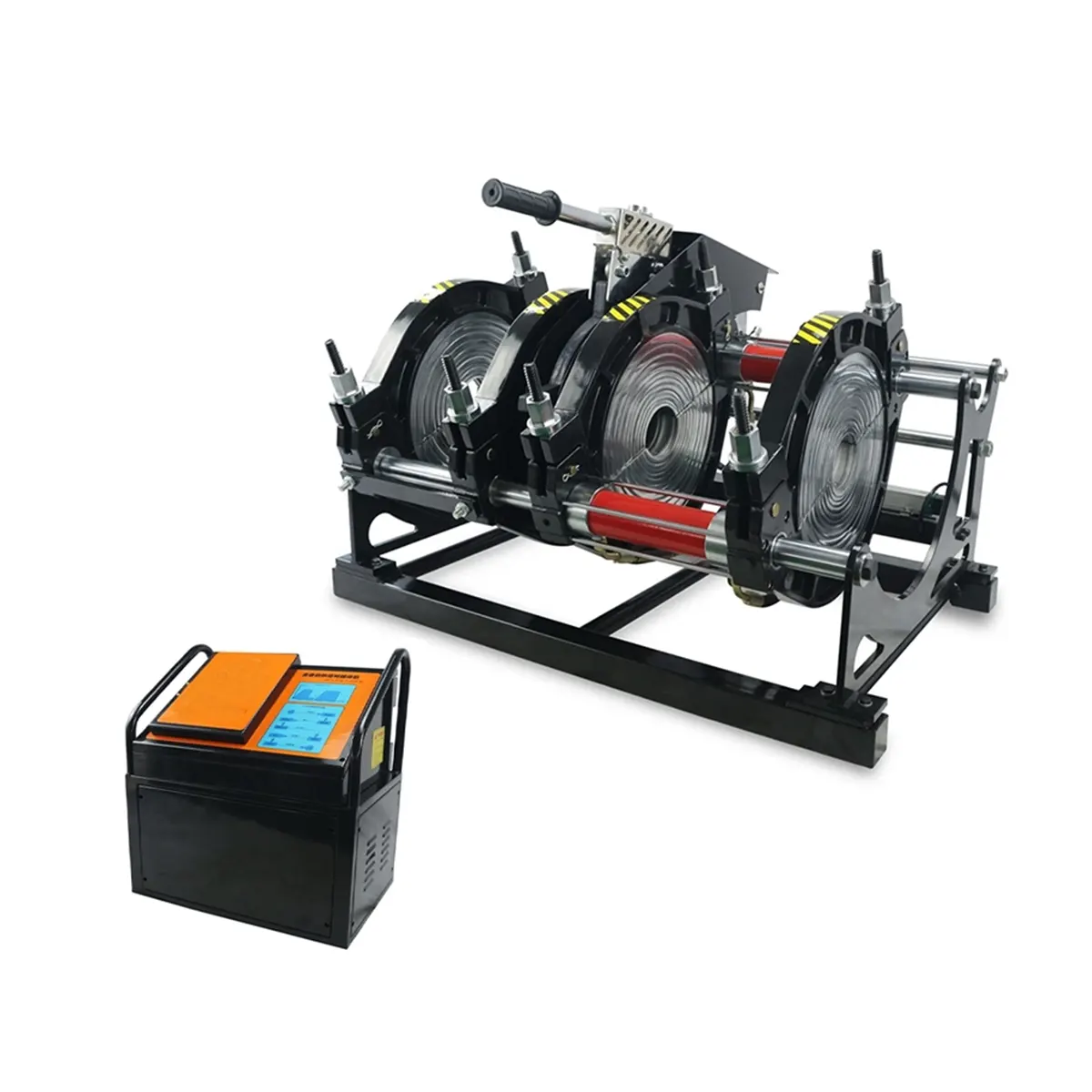
The most common categories include manual, hydraulic, and CNC automatic butt fusion machines, plus electrofusion units for fittings. Each type matches different site conditions and production demands.
Manual machines
Lightweight and cost-effective for small-diameter pipes and tight-access jobs. Ideal for maintenance teams and small contractors who need portability over automation.
Hydraulic machines
Provide stable pressure control for medium to large diameters and are favored on construction sites where consistent clamping force is critical. These units often include quick-change clamps and robust frames.
Automatic/CNC machines
Offer programmed weld cycles, precise heating, and comprehensive weld records—perfect for large-scale projects and municipal infrastructure where quality control documentation is required.
Key Specifications to Compare
When evaluating models, focus on clamping range, hydraulic pressure capacity, heater plate temperature accuracy, data logging capability, and ease of maintenance. Reliability under harsh conditions (dust, moisture, temperature) is essential for fieldwork.
| Feature | Manual | Hydraulic | Automatic/CNC |
|---|---|---|---|
| Best pipe range | Small to medium | Medium to large | Small to extra-large |
| Pressure control | Manual | Hydraulic pump | Closed-loop control |
| Data logging | No | Optional | Standard |
| Field portability | High | Moderate | Moderate to low |
Typical Applications
Pipeline welding machines are essential across municipal water networks, natural gas distribution, mining slurry pipelines, and industrial process lines. Selection depends on pipe material (HDPE, PE100), diameter, and project throughput.
How to Choose the Right Machine
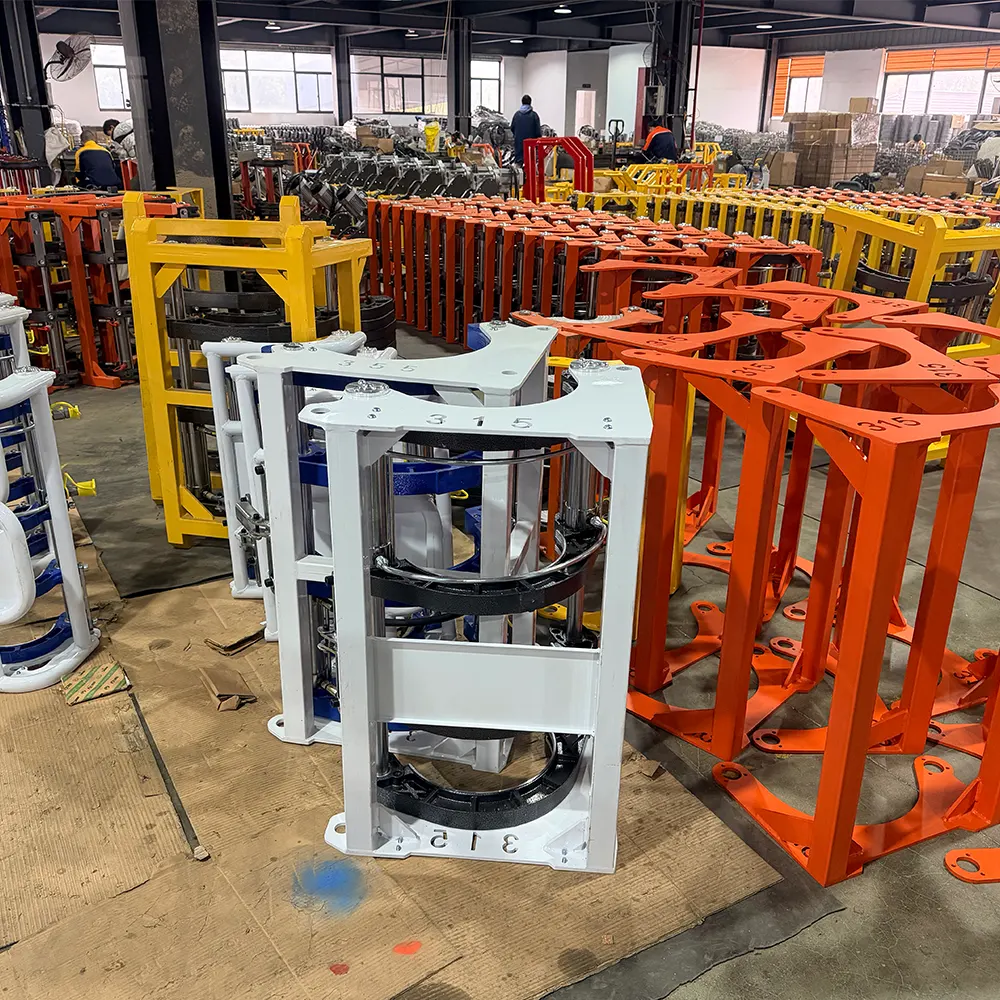
Start by defining project requirements: pipe diameters, expected daily joint count, field conditions, and required documentation. Prioritize machines with proven components, accessible service parts, and training support.
Procurement checklist
Clamping range, heater plate quality, control accuracy, and warranty terms should be evaluated. Consider long-term costs like consumables, spare parts, and calibration services.
Maintenance and On-Site Best Practices
Regular calibration of heater plate temperature, inspection of hydraulic seals, and cleaning of clamp surfaces will preserve weld quality. Train operators in standardized fusion procedures and record weld data for traceability.
Certifications, Support & Warranty
Look for machines that comply with international fusion standards and come with accessible technical support. A clear warranty policy and availability of replacement parts shorten downtime on remote jobs.
Why Suppliers Matter
Working with a supplier that combines manufacturing expertise and responsive service brings tangible project advantages. For reliable butt fusion solutions from a specialized manufacturer, consider contacting JQ-Fusion.
Final selection tips
Request site demonstrations, compare technical sheets, and ask for example weld logs. Choose a machine that aligns with both your immediate needs and future project growth to maximize ROI.
Ready to evaluate models?
Gather pipe specifications and project volume, then request technical comparisons and service commitments from vendors. Proper due diligence ensures consistent, high-quality pipeline joints that stand the test of time.



