
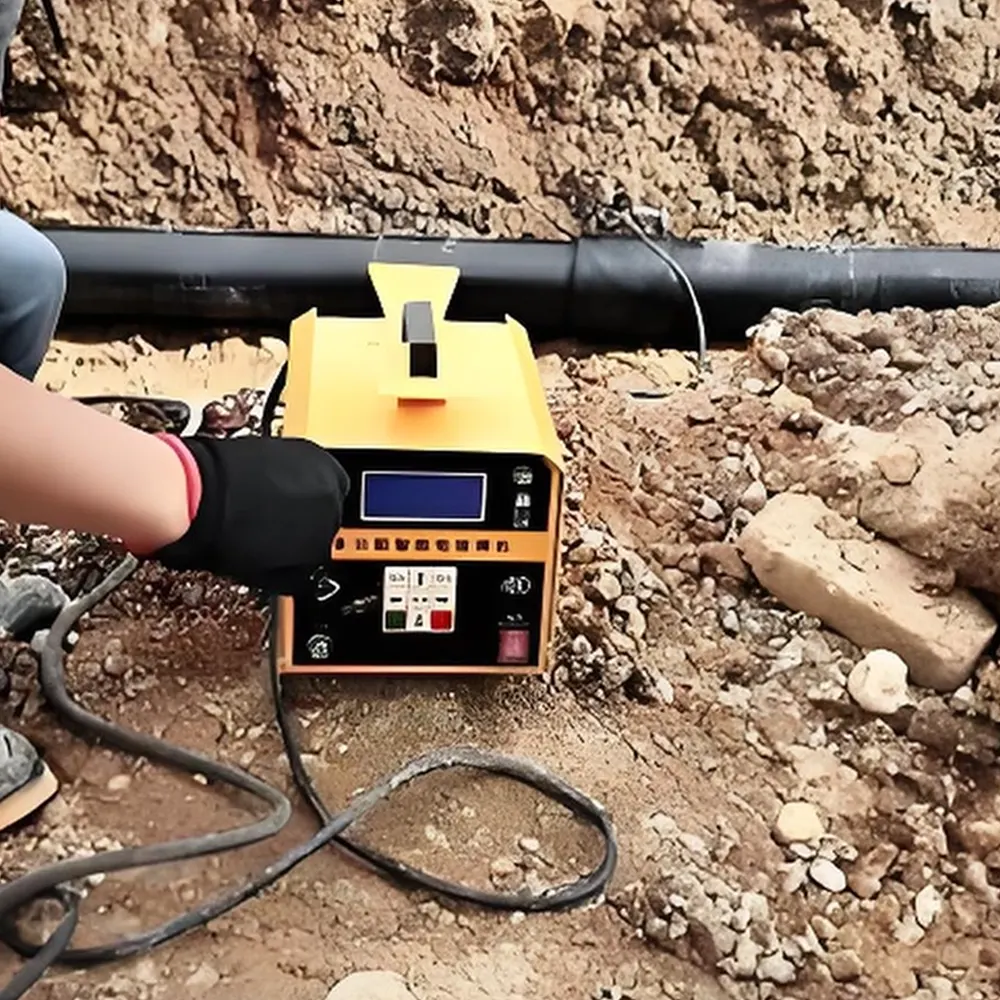
When an electrofusion machine does not perform as expected, the problem is often not the machine itself, but one detail in the process that has been missed. A stable electrofusion weld depends on correct preparation, accurate settings, clean pipe surfaces, and proper connection between the fitting and the power unit. If any of these steps goes wrong, the joint may fail, and the whole pipeline project can be delayed.
For contractors working on water, gas, mining, or industrial pipelines, troubleshooting must be fast, practical, and systematic. A good repair approach starts with understanding the most common failure points: power supply issues, cable damage, fitting compatibility, contamination, incorrect welding time, and environmental interference. In many cases, a quick inspection can save hours of rework and reduce material waste.
⚠ Key point: Always disconnect the machine from the power source before inspecting cables, terminals, or internal components. Safety should come before troubleshooting speed.
1. Check the Power Supply First
Many welding faults begin with unstable electricity. If the machine will not start, powers off during welding, or shows irregular output, the first thing to verify is whether the incoming voltage matches the machine requirement. A weak generator, overloaded extension cable, or unstable site power can create inconsistent heating and lead to failed fusion.
Inspect the plug, socket, input cable, and breaker for signs of overheating or looseness. If the machine is being used on a temporary site power system, make sure the generator capacity is sufficient for the machine load. A stable supply is essential because electrofusion welding depends on precise electrical energy transfer.
Tip: If the machine works in one location but fails in another, the site power source is often the real cause.
2. Inspect the Welding Leads and Connectors
The welding leads are exposed to dust, moisture, bending, and rough handling. Over time, damaged insulation, bent pins, or loose connectors can interrupt the current flow. Even a small contact problem may create a weak weld or trigger an error code on the control unit.
Look closely at the cable jacket, connector tips, and socket contacts. If you notice discoloration, melting, or corrosion, replace the affected part immediately. Clean connectors can improve machine performance and reduce intermittent failures. In field work, technicians often underestimate how much a poor connector can affect output quality.
For users who want to compare joining systems and equipment types, a reliable butt fusion machine supplier can also help with broader pipeline welding support and technical guidance.
3. Confirm Pipe and Fitting Compatibility
Electrofusion depends on exact compatibility between the fitting, pipe material, and machine output settings. If the fitting is not matched to the pipe diameter, SDR rating, or material standard, the weld may not achieve the required bonding strength. This is one of the most common causes of joint failure in the field.
Before welding, verify that the pipe and fitting are approved for the same fusion procedure. Check whether the fitting uses a barcode or manual input and whether the machine supports the required welding parameters. A mismatch in voltage, time, or resistance can cause overheating or underheating.
Important: Never force a weld when the fitting and pipe specification do not align. Replacing the incorrect component is safer and cheaper than repairing a failed joint later.
4. Examine the Pipe Surface Preparation
Surface preparation is one of the most critical stages in electrofusion welding. The pipe must be scraped properly to remove oxidized layers, dirt, grease, and moisture. If the surface is not prepared correctly, the molten material inside the fitting cannot bond evenly with the pipe wall.
A common troubleshooting step is to recheck the scraping depth and cleaned area length. If the pipe surface still looks dull, dusty, or wet, clean it again using the correct tools and procedure. Avoid touching the prepared area with bare hands, because skin oils can reduce weld quality. In cold weather, condensation can form quickly, so dry the pipe carefully before welding.
Note: A perfectly working machine cannot compensate for poor pipe preparation.
5. Review the Welding Parameters
Incorrect welding parameters can make a machine seem faulty when the real issue is user input. Time, voltage, cooling period, and resistance values must all be correct. If the machine allows manual settings, confirm every number before starting. If it reads a barcode, make sure the scanner or cable is functioning properly and that the barcode is not scratched or dirty.
When welds fail repeatedly, compare the actual settings with the fitting manufacturer’s instructions. If the machine is over-welding, the fitting may bulge, char, or deform. If it is under-welding, the bond may remain weak and fail under pressure. Record the settings used during each job so repeated issues can be traced more easily.
6. Check the Machine Display and Error Codes
Modern electrofusion machines often display fault codes that help narrow down the problem. These codes may indicate overvoltage, under-voltage, short circuit, overheating, internal sensor failure, or poor connection. Instead of guessing, read the code carefully and consult the machine manual.
If the display is blank, flickering, or frozen, the issue may be related to internal power supply failure, damaged display wiring, or a control board problem. Resetting the machine can sometimes clear temporary faults, but repeated display errors should be handled by qualified maintenance personnel. A machine with a smart control system can only be reliable when its sensors and electronics are functioning accurately.
7. Inspect the Cooling and Working Environment
External conditions can affect weld quality more than many operators expect. Rain, dust, high humidity, extreme heat, and strong wind can all interfere with the fusion process. If the environment is unstable, the pipe and fitting may lose temperature too quickly or become contaminated during preparation.
Set up a clean, dry workspace whenever possible. Use protective covers or welding tents in harsh outdoor conditions. In cold weather, pre-warming may be necessary for certain fittings, while in hot weather, excessive surface temperature should be monitored. Good field control leads to better joint consistency and fewer troubleshooting problems.
Quick reminder: Stable environment + clean surface + correct settings = higher weld success rate.
8. Test the Clamp Alignment and Fit
If the pipe or fitting is not positioned properly in the machine, the weld area may not receive even pressure. Misalignment can create uneven heat distribution and reduce fusion strength. This is especially important when working with large-diameter pipes or fittings that are difficult to handle.
Check that the clamps hold the components firmly and that the fitting sits squarely on the pipe. If the alignment is off, loosen the setup and correct it before welding. Repeated misalignment may indicate worn clamp parts or a damaged fixture that needs replacement.
9. Make Sure the Machine Is Properly Maintained
Routine maintenance is one of the best ways to prevent electrofusion machine failures. Dust inside the control box, worn cables, loose terminals, and aging components can reduce accuracy and shorten service life. Cleaning and inspection should be part of the regular job schedule, especially for machines used on multiple project sites.
Follow the manufacturer’s maintenance recommendations and keep a simple service log. Check the output performance, inspect the housing, and ensure all buttons, sensors, and connectors respond correctly. Preventive care is usually faster and cheaper than emergency repair.
Best practice: A machine that is cleaned, calibrated, and stored correctly will deliver more consistent results on every project.
10. Know When the Problem Needs Professional Service
Some faults can be solved on site, but internal circuit issues, damaged control boards, power module failures, and sensor breakdowns should be handled by trained technicians. Trying to repair complex electronics without proper tools can create more damage or void the warranty.
If the machine repeatedly stops during operation, produces inconsistent output after all basic checks, or shows the same fault after cable and power inspection, professional support is the safest choice. Keep the machine model, fault code, and job conditions ready when requesting service so the technician can diagnose the issue faster.
Practical Troubleshooting Workflow
A simple workflow helps operators respond quickly in the field. First, check the power source and machine indicators. Second, inspect the cables and connectors. Third, confirm pipe and fitting compatibility. Fourth, review surface preparation and welding parameters. Fifth, examine the environment and clamp alignment. Finally, if the issue remains, move to maintenance or technical service. This sequence avoids unnecessary part replacement and keeps the process efficient.
Teams that follow a standard troubleshooting routine usually achieve better weld quality and fewer project delays. Consistency is especially important in pressure pipeline work, where one weak joint can affect the safety of the whole system. Training operators to recognize early warning signs is one of the most effective ways to protect project quality.
FAQ
Q1: Why does my electrofusion machine show an error code during welding?
It may be caused by unstable power, damaged cables, poor connector contact, or incorrect parameter input. Check the code in the manual and verify each basic connection before restarting.
Q2: Can dirty pipe surfaces really cause weld failure?
Yes. Dirt, grease, moisture, and oxidation prevent proper bonding and are among the most common reasons for weak or failed electrofusion joints.
Q3: What should I do if the machine has power but does not heat properly?
Inspect the leads, connectors, fitting compatibility, and welding settings. If all external factors are normal, the internal control system may need professional service.
Q4: How often should an electrofusion machine be maintained?
It should be inspected regularly, especially after heavy site use. Cleaning, connector checks, and output verification before major projects can prevent many common failures.
Q5: When should I stop troubleshooting and call a technician?
If the fault repeats after basic checks, or if the machine has internal electronic or sensor problems, professional repair is the best option.



