
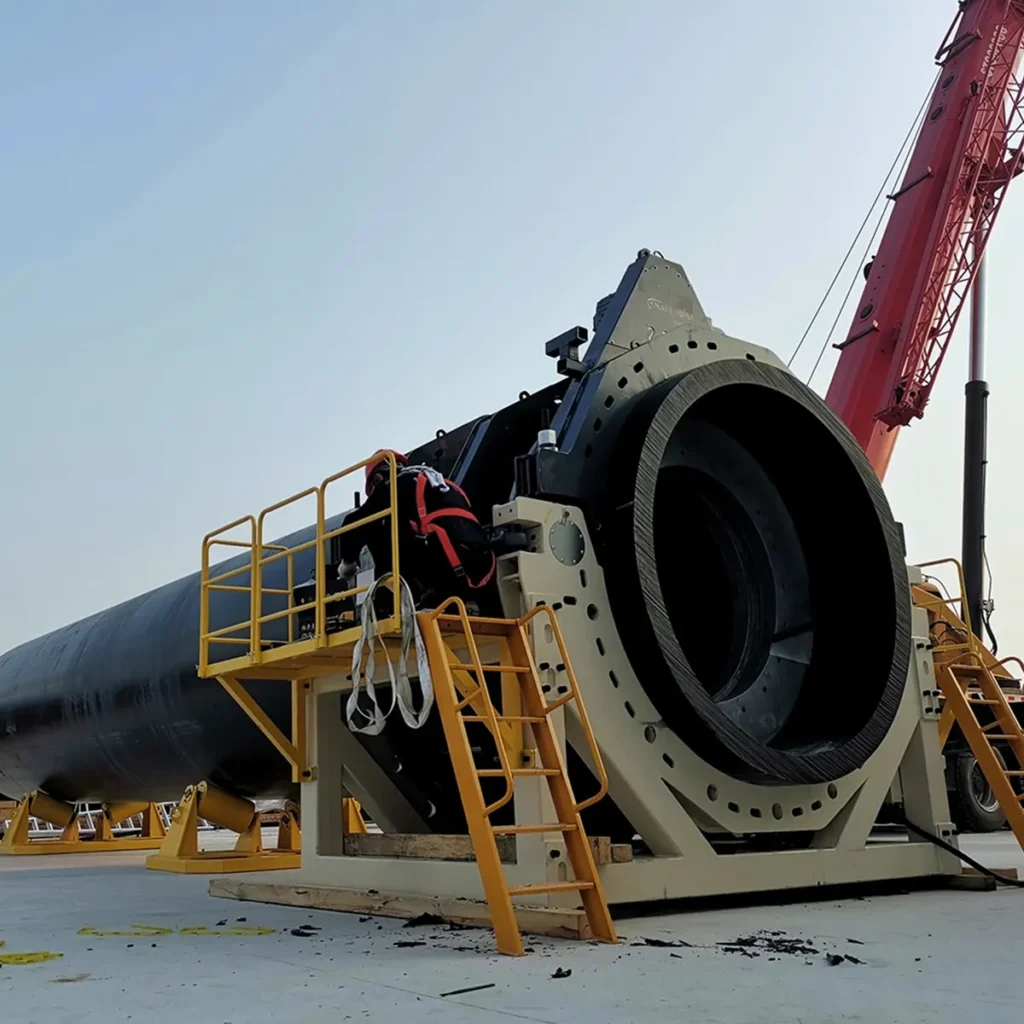
Cracking in HDPE pipe butt fusion joints undermines pipeline integrity, increases repair costs, and can lead to service interruptions. This guide explains the most common causes of butt fusion joint cracking and provides practical, field-proven solutions to prevent and repair cracks—helpful for pipeline contractors, municipal works teams, and site welders seeking reliable long-term performance.
Common Causes of HDPE Butt Fusion Joint Cracking
Understanding root causes helps target repairs and prevent recurrence. Below are the typical factors that produce cracks in butt fusion joints:
Improper Surface Preparation
Dirt, moisture, oxides, or scraped material on the pipe ends cause incomplete fusion and weak bonding zones. Contaminants create stress concentrators where cracks initiate.
Incorrect Heating Plate Temperature or Contact Time
Too low temperature/time results in poor melt and cold welds; too high or excessive dwell can degrade polymer leading to brittle zones that crack under load.
Misalignment and Insufficient Restraint
Axial or angular misalignment causes non-uniform pressure and eccentric cooling, producing high local stresses and potential cracking during service.
Rapid or Uneven Cooling
If joints cool too quickly (cold ambient or forced cooling) or unevenly, differential shrinkage induces tensile stresses that can crack the fusion bead.
Contaminated or Damaged Heating Plate
A scratched, warped, or contaminated heating plate transfers heat unevenly — resulting in inconsistent melt depth and weak points prone to cracking.
Operator Error & Poor Procedure Control
Inconsistent pressure, incorrect fusion sequence, or skipping trimming steps increase the likelihood of defects and subsequent cracking.
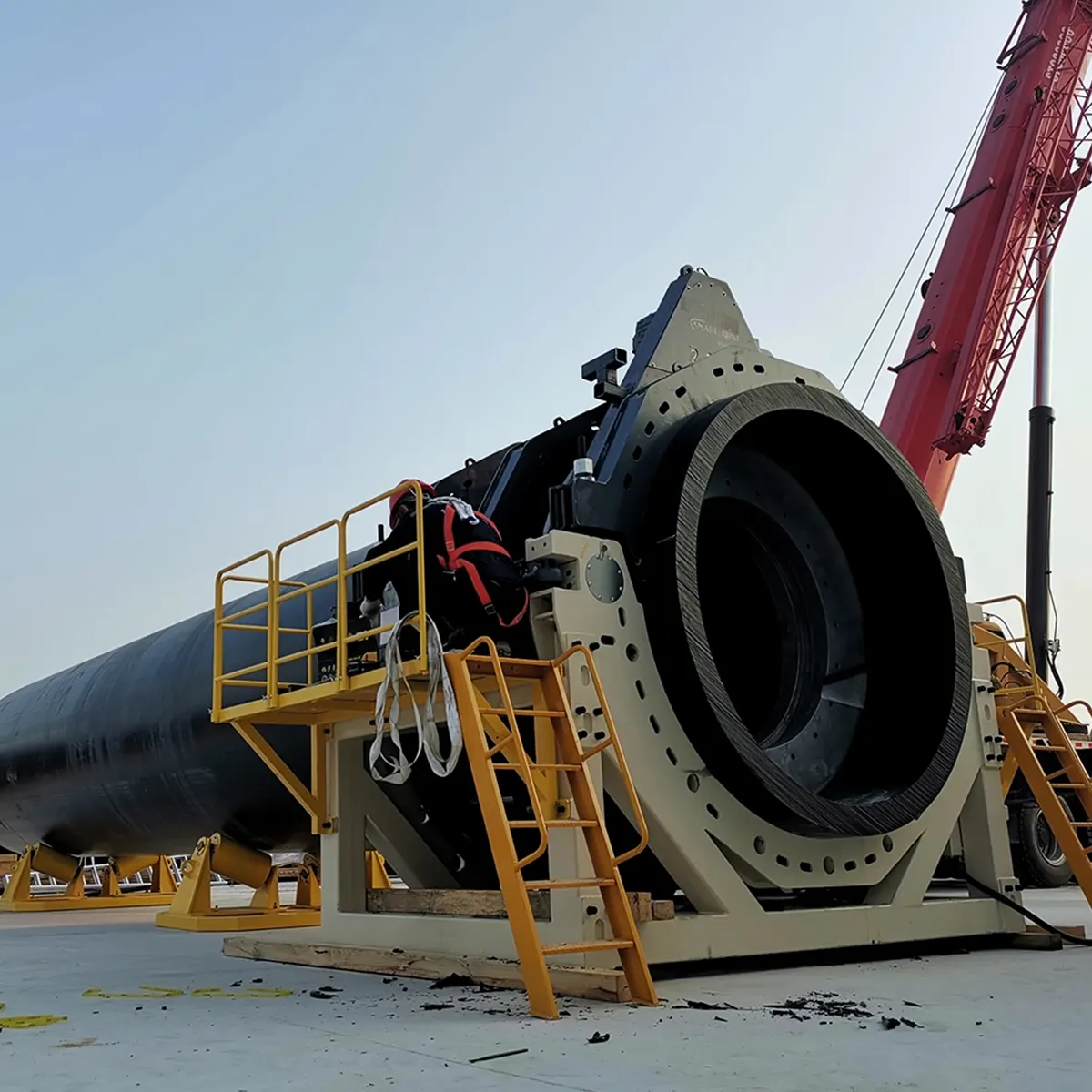
How to Identify Cracked Butt Fusion Joints
Visual inspection, hydrostatic testing, and simple mechanical checks help detect cracks early:
- Visual signs: hairline fissures at the bead face, uneven flash, or discoloration.
- Hydrostatic tests: pressure drop or localized leaks during testing indicate compromised joints.
- Mechanical tests: short peel or bend tests in the lab can confirm fusion quality.
Quick Reference: Causes, Symptoms and Remedies
| Cause | Symptoms | Prevention / Remedy |
|---|---|---|
| Contaminated pipe ends | Incomplete melt; local delamination | Clean, dry, and scrape ends; use approved cleaning procedures |
| Wrong heater temp or time | Cold welds or thermal degradation | Follow temperature/time charts; calibrate equipment |
| Misalignment / poor clamping | Eccentric bead, stress concentrations | Use alignment tools and rigid clamping frames |
| Rapid cooling | Shrinkage cracks after welding | Controlled cooling; avoid forced air/ cold water immediately |
Field-Proven Solutions to Prevent & Fix Cracked Joints
1. Rigorous Preparation
Always cut pipe ends square, remove oxide layers, and wipe with appropriate solvents. Keep a clean, dry workspace and protect prepared ends until welding.
2. Calibrated Heating & Controlled Cycle
Use an accurate thermally stable heating plate and follow manufacturer temperature/time charts matched to wall thickness and PE grade. Record each fusion cycle for quality assurance.
3. Proper Alignment, Pressure & Soak Time
Ensure full-face contact during heating and apply specified fusion pressure during melt and cooling stages. Maintain required soak time under clamp to minimize residual stresses.
4. Manage Cooling Environment
Avoid rapid cooling in cold or windy conditions. Where possible, use insulation sleeves or controlled sheltering until the joint reaches ambient stability.
5. Operator Training & Procedure Compliance
Certified operators following documented procedures produce fewer defects. Regular refresher training on parameter selection, trimming, and visual inspection is essential.
6. Repair Strategies for Existing Cracked Joints
– Small, superficial cracks: grind out the bead and re-fuse following full preparation and parameter checks.
– Through-thickness or structural cracks: isolate the section and either replace the joint with a new fusion or install an approved mechanical coupling after pressure testing.
– Always hydrostatically test repaired sections before returning to service.
Quality Control & Routine Maintenance
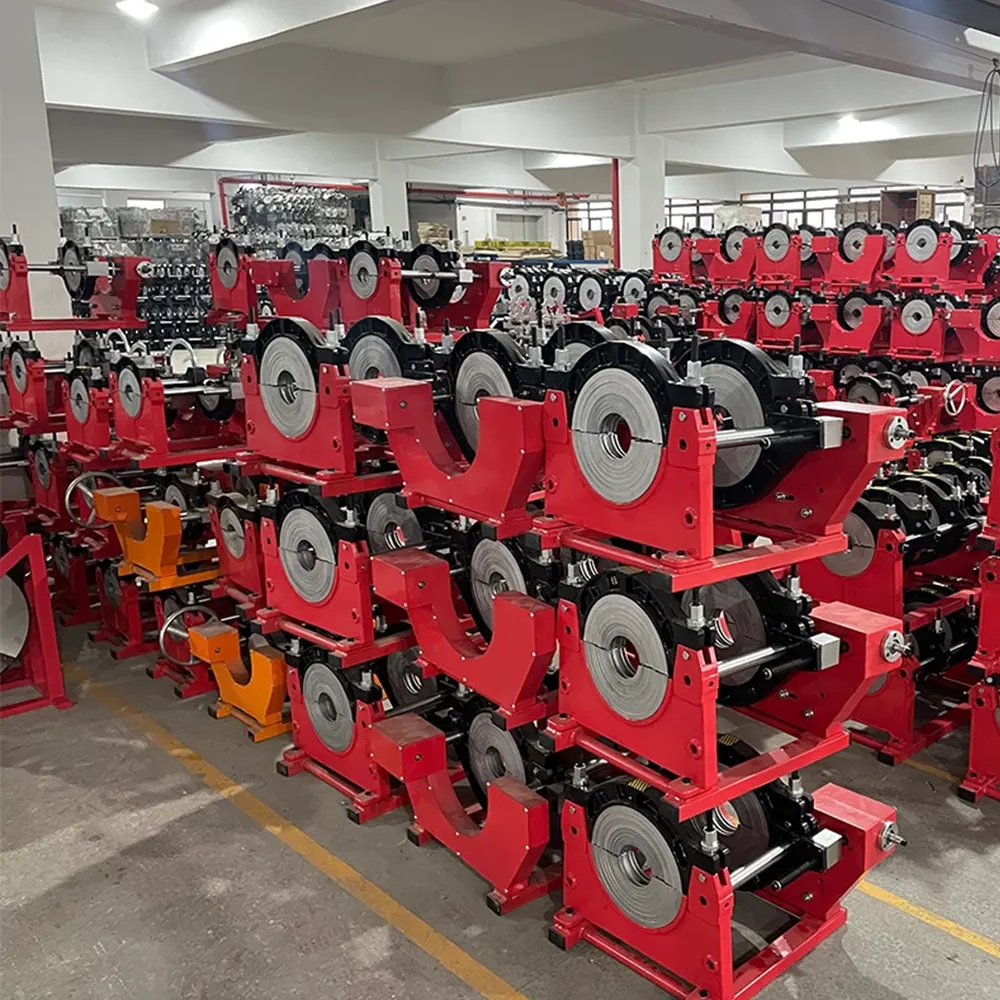
Implement a QA program: equipment calibration schedules, fusion logs, periodic destructive testing, and environmental controls. Maintain heating plates clean and flat; inspect clamp frames and hydraulic systems for consistent pressure delivery.
Checklist Before Every Fusion
- Pipe ends clean, square, and dry
- Heating plate temperature verified
- Alignment confirmed and clamps functional
- Fusion parameters logged
- Ambient conditions assessed for cooling management
About JQ-Fusion: JQ-Fusion is a professional manufacturer specializing in HDPE pipe welding machines and butt fusion solutions for global infrastructure projects.
Final Notes
Preventing butt fusion joint cracking is mostly about disciplined preparation, precise control of heat/pressure/time, and consistent inspection. When repairs are needed, follow proven procedures and re-test to ensure long-term pipeline integrity.



