
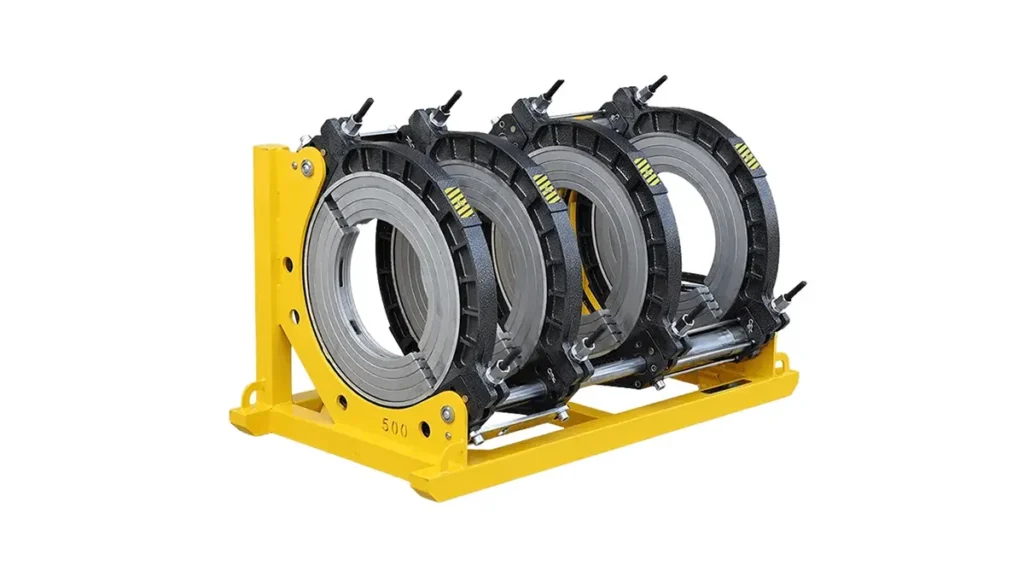
Electric fusion welding machines (butt fusion and electrofusion) are essential on modern construction sites for joining HDPE pipes safely and efficiently. These guidelines focus on practical safety measures, operator responsibilities, and site controls to reduce risk, protect personnel, and maintain weld quality.
Understanding the Risks and Equipment
Electric fusion welding involves high temperatures, electrical power, heavy clamps, and precise alignment. Common hazards include thermal burns, electrical shock, pinch points, inhalation of fumes, trip hazards from cables, and poor-quality joints from incorrect procedures. Before work begins, ensure the welding machine is suitable for the pipe diameter, material grade, and site conditions.
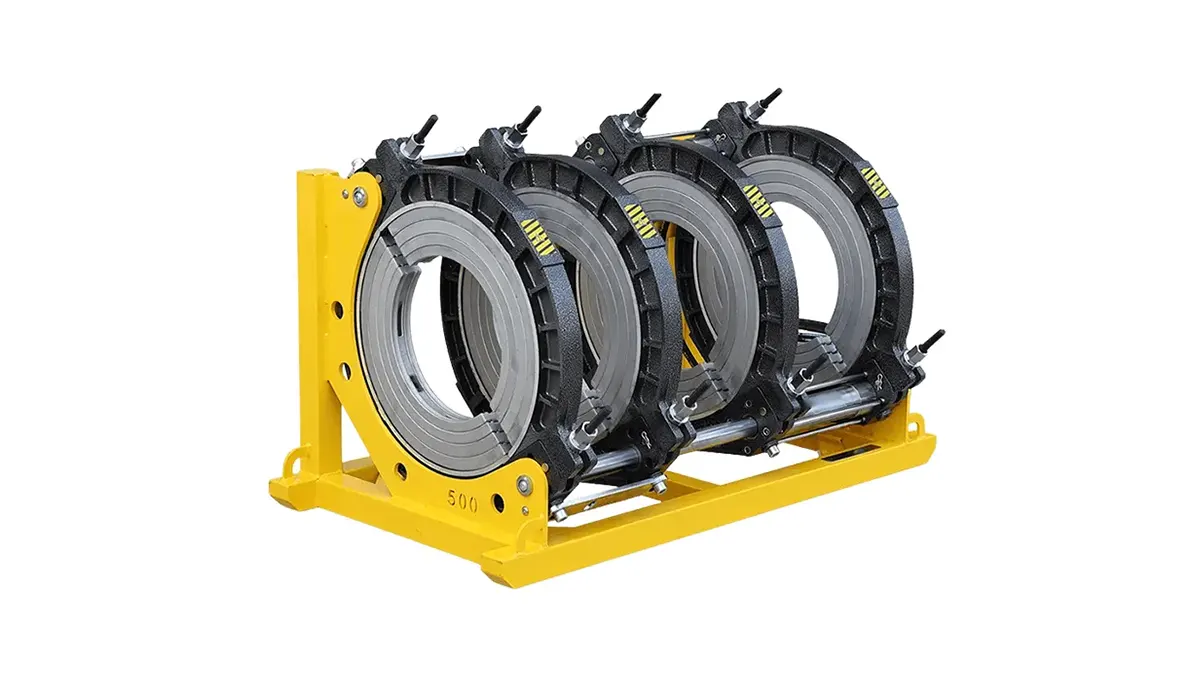
Site assessment and machine placement
Choose a level, stable area clear of standing water for the welding machine. Ensure adequate lighting and a flat workspace for pipe alignment. Keep the fusion zone fenced or cordoned to prevent unauthorized access during heating and fusion cycles.
PPE and Personal Safety
Appropriate personal protective equipment (PPE) is mandatory. Supervisors should enforce PPE use and perform regular inspections.
| PPE Item | Purpose |
|---|---|
| Heat-resistant gloves | Protect hands from hot plates and molten material |
| Safety goggles or face shield | Shield eyes from sparks, debris and fragmented material |
| High-visibility vest and safety boots | Site visibility and foot protection against heavy parts |
| Respiratory protection | Use when ventilation is poor or fumes are present |
Training and competency
Operators must be trained in fusion procedures, machine controls, and emergency shutdown. Maintain records of operator certification and refresher training. A competent person should supervise complex or large-diameter welds.
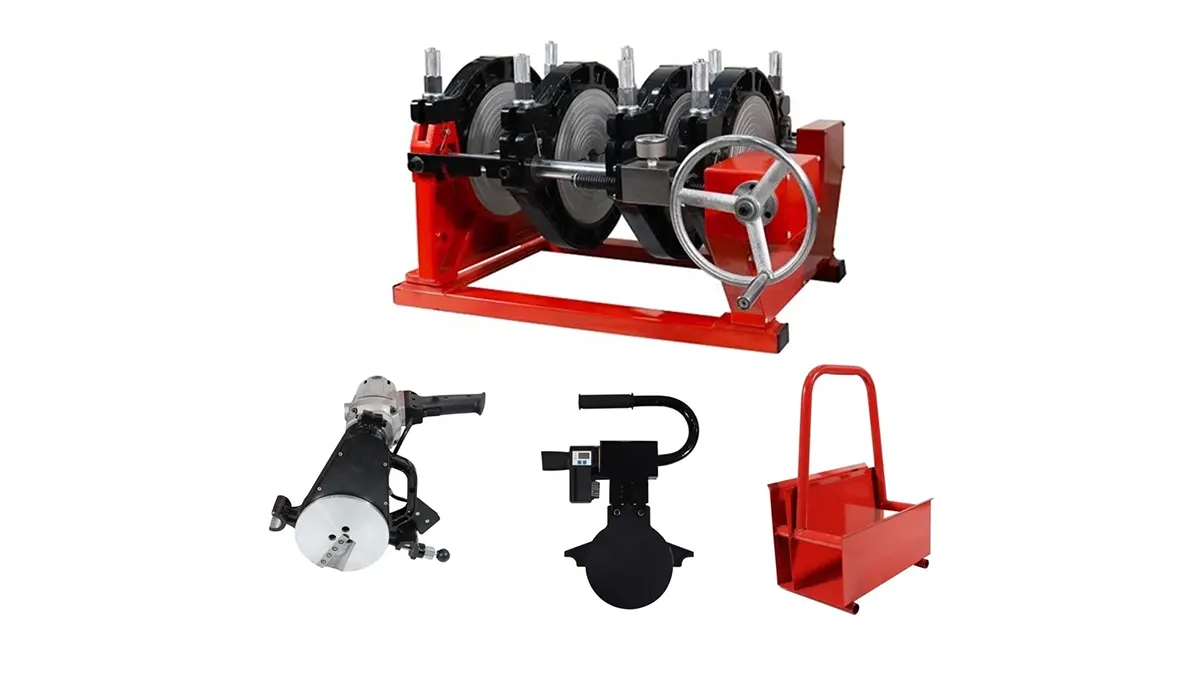
Pre-Operation Machine Checklist
Complete the pre-operation checklist before each shift to ensure machine readiness and safe operation.
| Item | What to check |
|---|---|
| Electrical supply | Correct voltage, functional grounding, undamaged cables |
| Heating plate | Clean, undamaged, correct temperature calibration |
| Clamps and alignment tools | Secure, free of deformation, proper centering devices |
| Hydraulics and pressure systems | No leaks, correct pressure settings, functioning gauges |
Safe Operation Practices
Follow the machine and pipe manufacturer procedures exactly. Key points include pipe preparation, facing, heating time, and controlled upset pressure. Use the documented heating time and pressure charts for the HDPE grade and pipe diameter. Monitor cycle temperatures and record weld data for quality assurance.
Handle hot plates carefully
Do not touch the heating plate during or immediately after use. Allow proper cooling time, and use approved tools for handling. Keep combustible materials well away from the hot plate area.
Cable and hose management
Keep power cables and hydraulic hoses routed away from walkways and the fusion zone. Use cable protectors and secure hoses to avoid trip hazards and accidental disconnections.
Ventilation and Fume Control
Ensure adequate ventilation when welding in enclosed or semi-enclosed spaces. Use local exhaust ventilation or respiratory protection as needed. If fumes are visible or odor thresholds are reached, stop work and improve ventilation before resuming.
Emergency Preparedness
Establish emergency procedures including burn first aid, electrical incident response, and spill containment. Maintain a first-aid kit and fire extinguisher close to the fusion area. All personnel should know emergency contact numbers and the location of the nearest medical facility.
Incident reporting
Report and document all incidents, near misses, and equipment defects. Use these reports for corrective actions and safe-work improvements.
Maintenance and Inspection
Regular preventive maintenance extends machine life and prevents failures. Schedule inspections for heating elements, hydraulic systems, electrical components, and mechanical clamps. Keep maintenance logs and only use certified parts for repairs.
Common hazards & control measures
Hazard: Contact burns — Control: Use thermal gloves, barrier tools, and signage.
Hazard: Electrical faults — Control: Routine electrical checks, RCDs, and trained electricians for repairs.
Documentation and Quality Records
Keep weld logs, operator certifications, machine inspection records, and material traceability documents on file. Proper documentation supports warranty claims, project audits, and long-term pipeline performance.
About JQ-Fusion
JQ-Fusion (https://jq-fusionwelding.com/) is a professional manufacturer specializing in HDPE pipe welding machines, offering manual, hydraulic, and CNC automatic butt fusion solutions used in water supply, gas distribution, mining, and industrial pipelines worldwide.
Final checklist before leaving site
Secure the machine, isolate power, store tools safely, remove waste material, and mark completed welds. A tidy site reduces risk for the next shift and protects equipment from damage.



