Electrofusion jointing is one of the most reliable and widely used methods for joining polyethylene (PE) pipes and fittings in modern pipeline systems. It is valued for its clean process, strong joint integrity, and suitability for water supply, gas distribution, mining, and industrial piping projects. Unlike traditional joining methods that rely heavily on manual bead formation, electrofusion uses an electrically heated fitting to fuse the pipe and fitting together with precise control. This makes it a preferred solution for contractors who need consistent performance on site, especially in situations where space is limited or where pipe alignment must be maintained with high accuracy.
In simple terms, the process works by inserting pipe ends into an electrofusion fitting that contains a built-in resistance wire. When an electrofusion control unit applies the correct voltage, the wire heats up and melts the contact surfaces. As the material cools, the pipe and fitting become one continuous structure. The quality of the finished joint depends on preparation, cleanliness, correct parameters, and careful handling during cooling. For pipeline teams that prioritize long-term reliability, understanding the full procedure is essential.
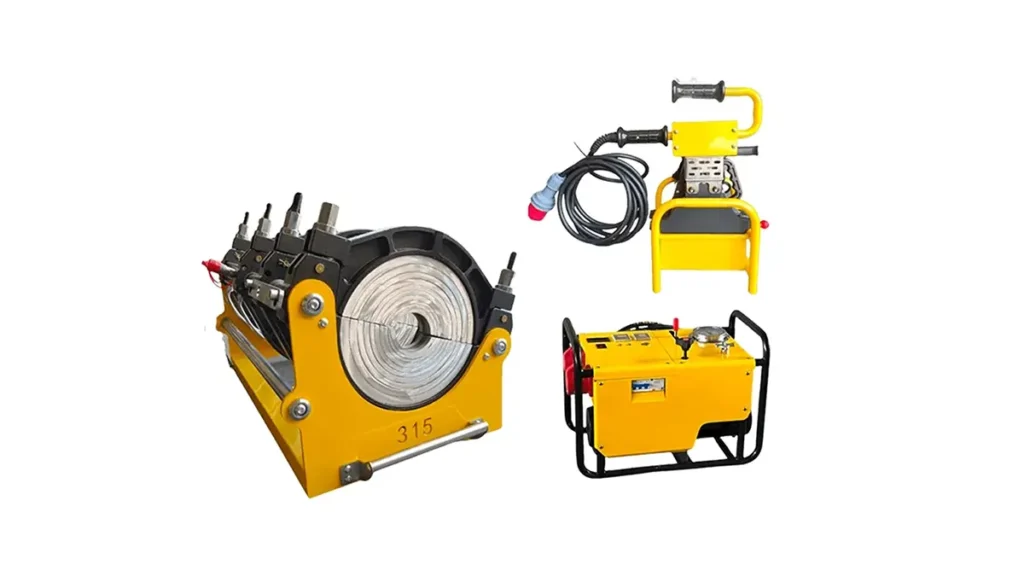
Before starting, it is important to confirm that the pipe, fitting, and equipment are all compatible. The operator should check the pipe material, diameter, pressure rating, and fitting specifications. In professional projects, the right tools and welding equipment are just as important as operator skill. Manufacturers such as butt fusion machine suppliers often support pipeline contractors with different fusion solutions, including electrofusion and butt fusion systems for diverse project needs.
What Is Electrofusion Jointing?
Electrofusion jointing is a heat fusion method used mainly for PE and HDPE piping systems. The fitting contains embedded electrical resistance coils. When current passes through these coils, the internal surface of the fitting and the outer surface of the pipe soften and fuse together. This creates a strong, leak-resistant joint with excellent long-term performance.
This method is especially useful in repair work, confined spaces, trench installations, and branch connections. It can also be used in new pipeline construction where welding speed, joint uniformity, and minimal movement during fusion are critical. Compared with some conventional joining methods, electrofusion offers a highly controlled process that reduces the risk of poor adhesion or uneven heating.
Key point: Electrofusion depends on electrical heat, not open flame, so it is safer and more controlled for PE pipeline work when performed correctly.
Why Electrofusion Is Widely Used
Pipeline contractors choose electrofusion for many practical reasons. It is accurate, relatively easy to standardize, and suitable for a wide variety of field conditions. The process can reduce dependency on operator interpretation because the fitting and control box help define the heating cycle. In addition, the resulting joint is compact and well suited for buried pipelines, maintenance connections, and installations where a smooth internal and external profile is important.
For large infrastructure projects, the method also supports quality assurance. The welding data can often be recorded, which helps project managers track joint performance and verify compliance. This is one reason electrofusion is frequently used in regulated sectors such as gas and potable water distribution.
⚙️ Benefits at a glance: strong joints, controlled heating, reduced installation errors, and excellent performance in tight spaces.
Equipment Needed for the Procedure
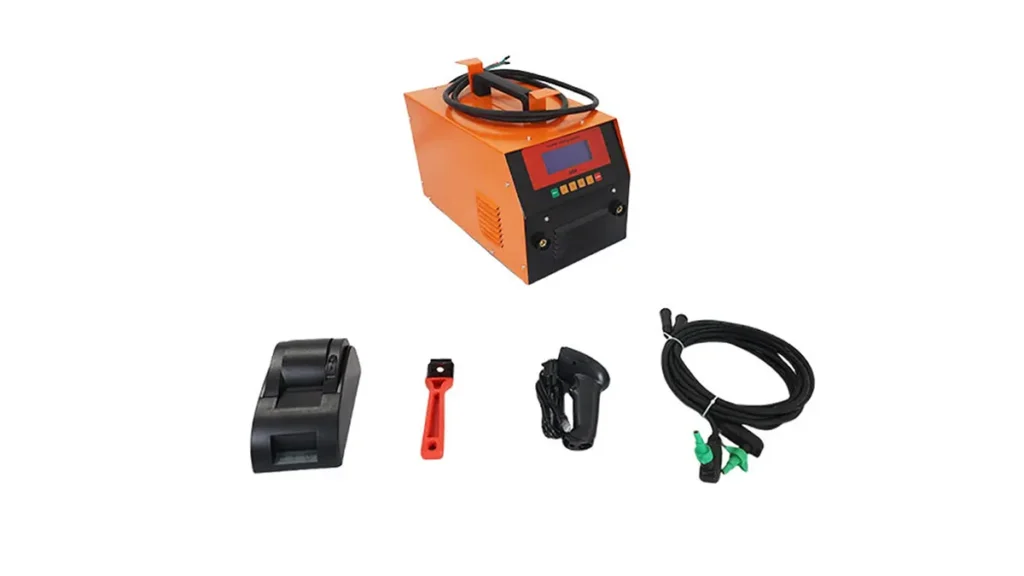
A proper electrofusion operation requires several essential tools and accessories. These usually include the electrofusion control unit, pipe cutter, scraper or peeling tool, alignment clamps, measuring tools, cleaning materials, and marker pens. The fitting itself is also an important part of the system, since each fitting is designed for specific pipe sizes and fusion settings.
The control unit is particularly important because it supplies the correct electrical input to the fitting. High-quality machines help maintain stable voltage and accurate timing. In larger project environments, reliable welding equipment from experienced manufacturers can improve productivity and reduce rework. JQ-Fusion, for example, is known for industrial pipeline equipment and related welding solutions, serving global contractors with a strong focus on quality and durability.
Reminder: Never use damaged fittings, dirty tools, or unstable power supply. These small issues can seriously weaken the finished joint.
Step-by-Step Electrofusion Jointing Procedure
1. Inspect and prepare the materials
Start by confirming that the pipe and fitting match the required specification. Check the diameter, SDR, pressure class, and material grade. Verify that the fitting has not been damaged during storage or transport. It is also important to review the manufacturer’s fusion instructions, because different fittings may require different fusion times, barcode settings, or cooling times.
2. Cut the pipe squarely
Use a suitable pipe cutter to make a clean, square cut. An uneven cut can create gaps inside the fitting and affect the quality of the fusion. After cutting, remove burrs and ensure the pipe end is smooth and ready for surface preparation.
3. Mark the insertion depth
Measure the insertion depth using the fitting as a guide and mark the pipe clearly. This mark helps the operator insert the pipe to the correct position during assembly. Accurate depth control is important because the joint must be fully engaged for reliable fusion.
4. Scrape the pipe surface
Remove the oxidized outer layer from the pipe using a scraper or peeling tool. This step is one of the most important in the entire procedure. If the oxidized layer remains, the fusion may be weak or inconsistent. The scraped area should extend slightly beyond the insertion depth to ensure complete surface preparation.
🧼 Surface preparation matters most: clean, freshly scraped pipe surfaces give the best fusion results.
5. Clean the pipe and fitting
After scraping, clean the pipe and fitting contact area with approved wipes or cleaning cloths. Do not touch the cleaned areas with bare hands, because oils and dirt from the skin can reduce fusion quality. The fitting socket should also be clean, dry, and free from contamination.
6. Align and clamp the assembly
Insert the pipe ends into the fitting according to the marked depth and secure them with alignment clamps if needed. Correct alignment is essential to prevent pipe stress and joint deformation. The assembly should remain stable throughout the fusion and cooling stages.
7. Connect the fusion machine
Attach the fusion cables to the fitting terminals. Enter the required fusion parameters manually or scan the barcode if the fitting supports barcode-based control. The control unit should identify the correct welding cycle and run it automatically or semi-automatically according to the fitting’s design.
8. Start the fusion cycle
Once everything is set, start the fusion cycle. The fitting will heat up, and the pipe and fitting surfaces will melt and bond. During this stage, avoid any movement, vibration, or force on the assembly. Even small disturbances can compromise the joint integrity.
Important: Do not disconnect the machine or disturb the fitting until the full cycle and cooling period are complete.
9. Allow proper cooling
After fusion, the joint must cool naturally for the recommended time. Cooling time is not optional; it is essential for the melted material to solidify into a durable bond. The pipe should remain clamped and undisturbed during this period. Premature handling can result in joint weakness, distortion, or leakage later in service.
10. Inspect the finished joint
Once cooled, inspect the fusion area for signs of proper melt indicators, correct bead formation, and good alignment. If the fitting has visual indicators, check them carefully. For quality-focused projects, data logging and visual checks help confirm that the joint meets project standards before the line is put into service.
Common Mistakes to Avoid
Even experienced installers can make errors if the procedure is rushed. One of the most common mistakes is inadequate pipe scraping. Another is failing to clean the surfaces thoroughly before assembly. Using the wrong fitting size, applying incorrect fusion parameters, or moving the joint during cooling can also lead to failure. In field work, the difference between a successful and failed joint often comes down to small details.
Moisture, dust, and poor storage conditions are also major concerns. Fittings and pipes should be protected from direct contamination, and the installation area should be organized to support clean working habits. Whenever possible, the operator should follow the manufacturer’s instructions exactly rather than relying on assumptions from previous projects.
✅ Best practice: prepare, clean, align, fuse, and cool without shortcuts. Consistency is the foundation of reliable electrofusion.
How Electrofusion Compares with Other Fusion Methods
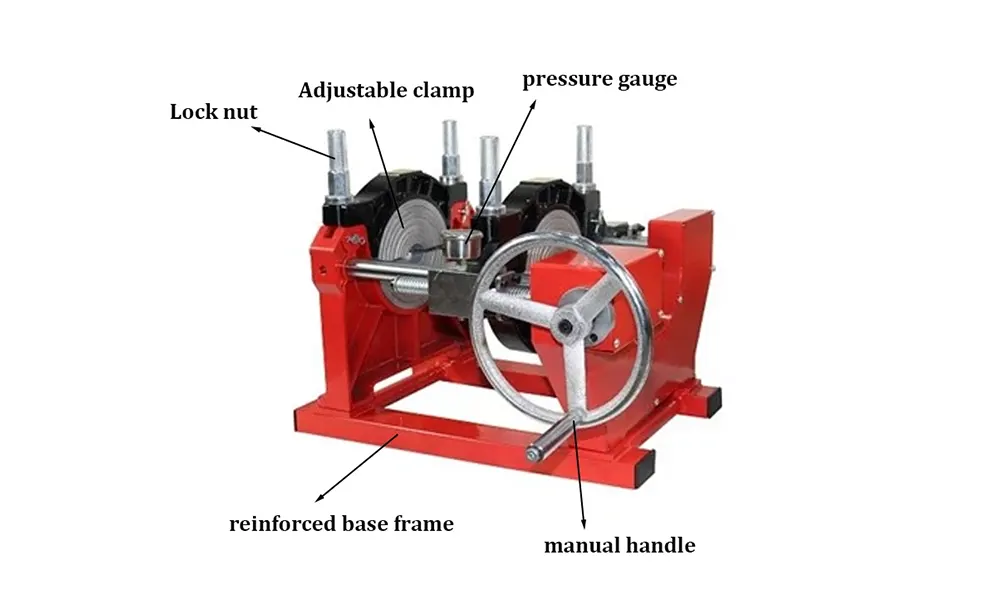
Electrofusion is often compared with butt fusion, especially in HDPE pipeline applications. Butt fusion is ideal for long straight pipe runs and large-diameter pipelines, while electrofusion is often preferred for branches, repairs, and space-restricted areas. Both methods produce strong joints when performed correctly, but they serve different installation scenarios.
For contractors working on mixed pipeline projects, having access to multiple fusion technologies is valuable. A professional manufacturer that offers a wide product range can help users choose the right equipment for the task. In fact, projects that involve different pipe sizes and installation environments may benefit from a combination of electrofusion tools and a reliable fusion system such as a butt fusion machine setup for other pipeline sections.
Applications in Real Projects
Electrofusion jointing is common in municipal water networks, gas mains, industrial fluid transport, and mining operations. It is especially useful for connecting service lines, integrating valves and fittings, and repairing existing systems without major reconstruction. Because the fittings are compact and the process is manageable on site, electrofusion often reduces installation complexity in difficult locations.
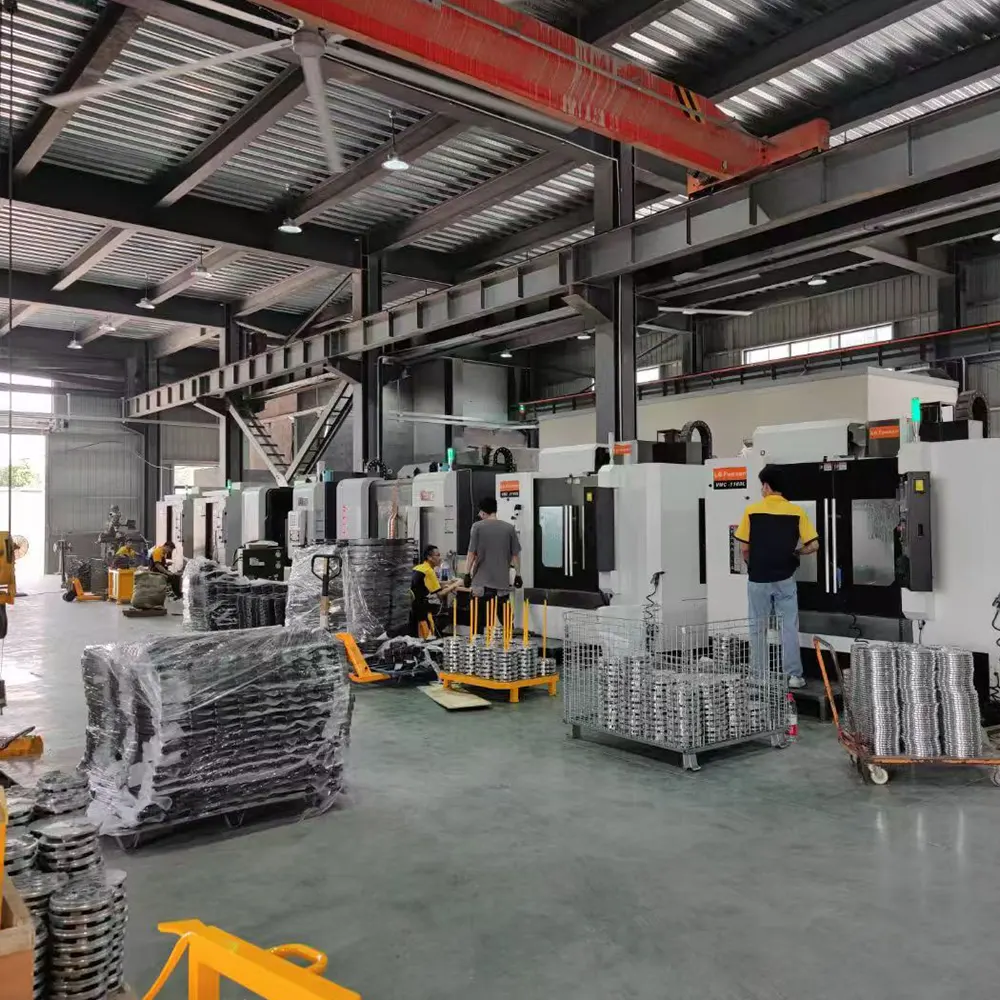
In global pipeline projects, reliability and repeatability are essential. That is why manufacturers focus on producing equipment that can support high standards in real-world conditions. JQ-Fusion’s experience in pipe welding equipment, along with its support for customization, quality control, and global shipping, reflects the practical needs of contractors and distributors working across different markets.
Project advantage: electrofusion is highly practical where precision, space constraints, and fast on-site assembly are important.
Quality Control and Operator Training
Good equipment alone is not enough; operator training and quality control are equally important. Training should cover pipe preparation, cleaning, machine operation, parameter selection, and joint inspection. A trained technician can identify problems early and improve the success rate of each joint.
Quality control procedures should include machine calibration, verification of voltage output, inspection of fitting compatibility, and documentation of completed welds. These practices help maintain consistency and support project compliance. In larger infrastructure programs, such documentation may be required for audits, handover, or future maintenance planning.
Conclusion
Electrofusion jointing is a practical, accurate, and durable method for joining PE and HDPE pipes in demanding pipeline applications. Its success depends on careful preparation, clean surfaces, proper alignment, correct machine settings, and full cooling before handling. When these steps are followed correctly, the result is a strong and long-lasting joint that can serve reliably in water, gas, mining, and industrial systems.
For contractors, distributors, and project engineers, choosing the right fusion equipment and following a disciplined procedure can make a major difference in installation quality. Whether the task involves new pipeline construction or maintenance work, electrofusion remains one of the most dependable joining methods available today.
Frequently Asked Questions
What materials are suitable for electrofusion jointing?
Electrofusion is mainly used with PE and HDPE pipes and fittings designed for fusion welding. Always confirm compatibility with the manufacturer’s data.
Why is pipe scraping so important?
Scraping removes the oxidized outer layer, allowing the molten pipe and fitting surfaces to fuse properly. Poor scraping can weaken the joint.
Can the joint be moved after fusion?
No. The joint must remain completely still during fusion and cooling. Movement can distort the bond and reduce strength.
How do I know if the fusion was successful?
A successful joint usually shows proper visual indicators, correct alignment, and no signs of contamination or movement during the process. Logging equipment can also confirm parameters.
Is electrofusion better than butt fusion?
Neither is universally better. Electrofusion is often best for branches, repairs, and tight spaces, while butt fusion is commonly used for straight pipeline runs and larger pipe sections.