
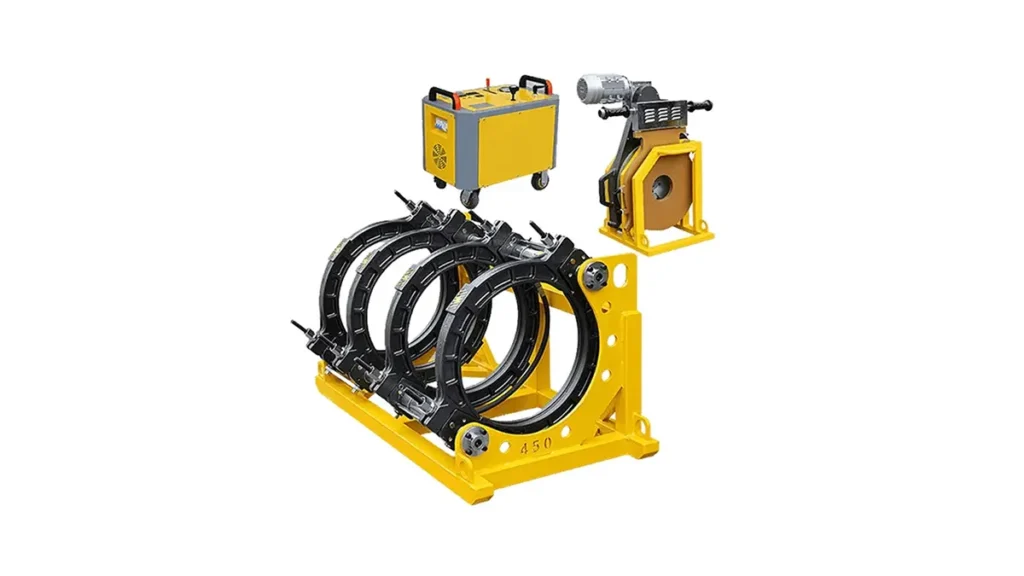
Choosing the best welding machine for construction projects means balancing power, portability, repeatability, and cost. This guide walks contractors, site managers, and procurement teams through the practical factors that determine which industrial welder will deliver reliable joints, minimize downtime, and meet code requirements on large-scale infrastructure and building projects.
Why the Right Welder Matters on Construction Sites
Construction welding is not just about joining metal — it’s about safety, longevity, and productivity. Using the wrong machine can lead to weak joints, rework, and costly delays. Key on-site constraints include power availability, space for setup, environmental exposure, and the experience level of weld operators.
Common Welding Needs in Construction
- Pipeline and utilities: HDPE & thermoplastic fusion for water, gas, and drainage systems.
- Structural steel: MIG, Stick and TIG for frames, reinforcement and heavy fabrication.
- Pre-fab and modular: Repeatable, fast processes such as automatic butt fusion and robotic systems.
- Site repairs: Portable solutions with battery or generator support.
Types of Industrial Welders for Construction — Quick Comparison
The right technology depends on material, diameter, joint type, and production speed. Below is a concise comparison to help shortlist options.
| Welder Type | Best For | Pros | Cons |
|---|---|---|---|
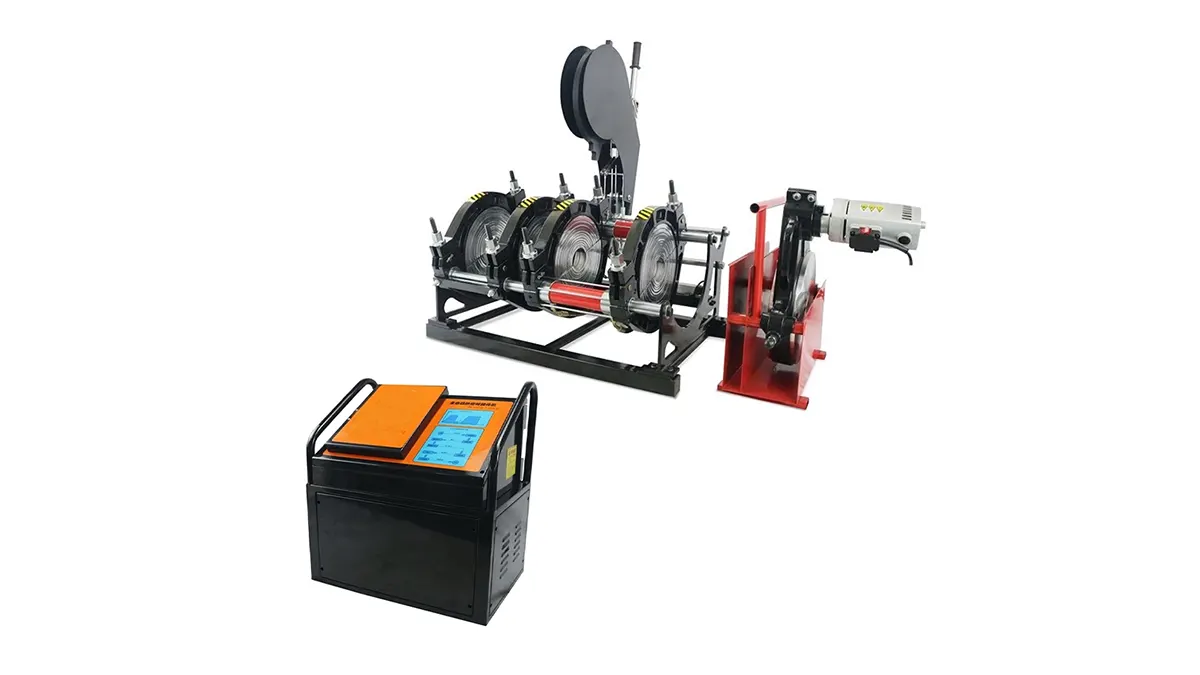
| Manual Butt Fusion | Small–medium HDPE pipe repair & installation | Low cost, portable | Operator dependent, slower |
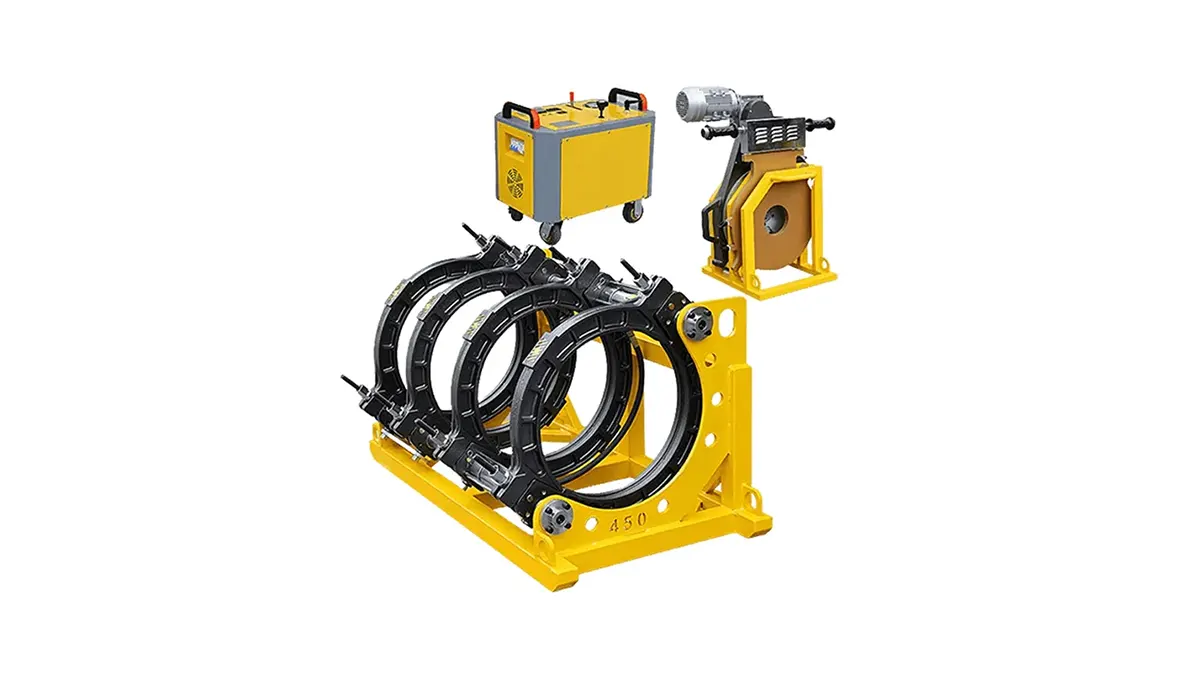
| Hydraulic Butt Fusion | Medium–large diameter HDPE pipelines | Stable pressure control, reliable joints | Heavier, requires trained operators |
| Automatic/CNC Butt Fusion | High-volume pipeline production | Consistency, data logging, high throughput | Higher upfront cost |
| Electrofusion | Branch fittings, socket joins in confined spaces | Easy to use, good for fittings | Fittings cost more, power requirement |
How to Choose: 7 Practical Selection Criteria
Use these checkpoints to match a machine to project realities.
- Material compatibility: Confirm the machine is designed for HDPE, PE100, or the specific thermoplastic you use.
- Pipe diameter range: Ensure clamps and frames cover the needed pipe sizes without extensive retrofits.
- Power & site logistics: Check available site power or whether generator/battery operation is required.
- Operator skill level: Automatic machines reduce skill variation; manual units are suitable when trained welders are available.
- Mobility vs. productivity: Portable manual units for remote jobs; hydraulic/automatic for high-volume yard or trench work.
- Data & traceability: Projects needing certification benefit from CNC machines with welding logs and export functions.
- Service & spare parts: Local support network shortens downtime — factor shipping times for specialty spares.
Project Scenarios and Recommended Machines
1. Urban water main replacement
Choose hydraulic or automatic butt fusion machines with precise pressure control and data logging. These ensure traceable, long-life joints under strict municipal standards.
2. Rural pipeline installation
Portable hydraulic or high-quality manual units are often preferable, prioritizing transportability and ruggedness. Electrofusion works well for many fittings and branch connections.
3. Factory or pre-fab plumbing lines
Automatic/CNC butt fusion systems provide speed, repeatability, and integrated quality control for batch production environments.
Maintenance, Training & Safety
Regular calibration of heaters, replacement of worn clamps, and hydraulic checks keep weld quality high. Invest in operator training — proper alignment, cleaning, and following fusion time/temperature charts is crucial. For safety, always follow PPE guidelines, site-specific lockout-tagout, and manufacturer maintenance schedules.
Key Questions to Ask a Supplier
- Does the machine include data logging and exportable reports?
- What is the warranty and lead time for spare parts?
- Are training and commissioning offered on delivery?
- Can the machine be customized for larger diameters or multi-angle fittings?
Final Selection Checklist
Before purchase, verify these items: pipe size range, power requirements, portability, automation level, documentation features, and local service capability. Prioritize machines that reduce operator error and deliver consistent fusion quality across weather and site conditions.
JQ-Fusion is a professional manufacturer specializing in HDPE pipe welding machines, offering manual, hydraulic, and CNC automatic butt fusion solutions to support infrastructure projects worldwide: https://jq-fusionwelding.com/
Need help choosing?
Contact your equipment partner with project specs (pipe material, diameter range, daily weld count, site power) to get a tailored recommendation and avoid costly mismatches. The right industrial welder will boost productivity, improve joint reliability, and reduce lifecycle costs on every construction project.



