
When a pipeline must remain strong, leak-free, and dependable for years, the quality of the welding method matters just as much as the quality of the pipe itself. In many modern infrastructure projects, the electrofusion welding process has become one of the most trusted joining techniques for HDPE and other thermoplastic piping systems. It is widely used in water supply networks, gas distribution, mining operations, and industrial installations because it creates a consistent bond with excellent sealing performance.
Unlike traditional hot-plate joining methods, electrofusion welding uses a special fitting with embedded heating coils. When an electric current passes through those coils, heat is generated inside the fitting, melting both the fitting and the pipe surface at the joint area. As the materials cool, they fuse into a single, durable connection. This method is valued for its precision, safety, and ability to join pipes in tight or difficult-to-access locations.
For contractors, engineers, and distributors looking for reliable pipeline equipment, understanding this process is essential. If your project requires dependable joining solutions, you may also want to explore a professional butt fusion machine supplier with strong technical support and proven field performance.
What Is Electrofusion Welding?
Electrofusion welding is a pipe joining technique that uses specially designed fittings containing embedded resistance wires. These wires heat up when connected to an electrofusion control unit, which supplies a controlled electrical current. The resulting heat melts the inner surface of the fitting and the outer surface of the pipe, creating a fusion bond after cooling.
Key point: electrofusion is not a mechanical connection. It is a fusion-based joint, which means the pipe and fitting become one continuous piece after welding.
This process is especially useful where space is limited, where pipe alignment is difficult, or where a high level of control is needed. Because the welding energy is built into the fitting, the operator does not need to apply external heat directly to the joint surface in the same way as with other methods. That makes the process clean, repeatable, and highly suitable for critical applications.
How Does the Electrofusion Welding Process Work?
The electrofusion welding process follows a sequence of carefully controlled steps. Each step plays a role in achieving a strong and reliable weld. Skipping preparation, using the wrong parameters, or poor surface cleaning can all affect weld quality, so attention to detail is essential.
1. Prepare the Pipe and Fitting
The first step is to inspect the pipe and fitting to make sure they are the correct size and specification. The pipe ends must be clean, dry, and free from damage. A scraper is usually used to remove the oxidized surface layer from the pipe area that will be welded. This step is critical because the outer layer can prevent proper fusion if it is not removed.
After scraping, the surface must not be touched with dirty hands or exposed to contamination. Even a small amount of dust, grease, or moisture can weaken the weld. In professional projects, preparation discipline is one of the biggest factors separating reliable joints from future failures.
2. Align and Clamp the Components
Once prepared, the pipe ends are inserted into the electrofusion fitting. Alignment is important because uneven positioning may produce stress inside the joint. In many cases, clamps or alignment tools are used to hold everything steady during the welding cycle.
Practical tip: a stable setup helps maintain uniform pressure and prevents movement while the molten material is forming the final bond.
3. Connect the Welding Unit
The electrofusion control unit is connected to the terminals on the fitting. This machine delivers the precise electrical current required by the fitting. Different fittings may require different welding times, voltages, or cooling cycles, so the operator must use the correct parameters indicated by the fitting manufacturer.
Modern control units are designed to reduce human error. Many systems can read barcodes or input codes from the fitting and automatically set the welding parameters. This improves consistency and makes the process more efficient on large pipeline projects.
4. Heat the Embedded Coils
When the current is activated, the embedded coils inside the fitting begin to heat up. The heat is transferred evenly into the surrounding plastic, melting both the fitting and the pipe surface at the connection zone. The amount of heat and time is carefully controlled so that the melt depth is enough for fusion but not so high that it damages the material.
Why this matters: accurate heating ensures the polymer chains of the pipe and fitting interlock during cooling, which is what gives the joint its strength.
5. Cool and Stabilize
After the heating cycle is complete, the joint must remain undisturbed during cooling. The molten plastic gradually solidifies, creating the final fusion bond. Cooling time is just as important as heating time, because moving the joint too early may weaken or distort the connection.
Once the cooling period is finished, the clamp can be removed and the joint can be inspected. A properly completed electrofusion weld should show stable fusion indicators, proper alignment, and no visible signs of contamination or movement.
Where Is Electrofusion Welding Used?
Electrofusion welding is widely used in systems where safety, reliability, and leak prevention are top priorities. It is especially suitable for plastic pipe networks in the following sectors:
Common applications: water distribution, gas pipelines, mining pipelines, industrial fluid transport, sewage systems, and utility infrastructure.
In water supply projects, electrofusion fittings are often selected for their long-term sealing performance. In gas distribution, the method is preferred because of its ability to create secure and traceable joints. Mining and industrial sites benefit from the process because it performs well in demanding operating conditions.
When field conditions are tight or access is restricted, electrofusion can often be easier to apply than other joining methods. That makes it a practical solution for maintenance work, tie-ins, branch connections, and repair operations.
Advantages of Electrofusion Welding
Electrofusion offers several important advantages that explain its popularity in modern pipeline construction. One of the biggest benefits is the high level of joint reliability. Because the process uses controlled electrical heating, the result is less dependent on operator judgment than some manual welding methods.
Another advantage is its suitability for difficult job sites. The equipment is relatively compact, and the fitting itself provides the heating element. This reduces the need for bulky external tools at the weld point. It is also a clean method, which is helpful in environments where contamination must be minimized.
Electrofusion also supports traceability. Many systems record welding data, including time, current, and fitting identification. This is valuable for quality assurance and project documentation, especially in regulated industries.
In short: electrofusion combines precision, convenience, and traceability, making it one of the most dependable joining methods for plastic pipelines.
Electrofusion vs. Butt Fusion
Although both electrofusion and butt fusion are used for thermoplastic pipeline joining, they are not the same. Butt fusion joins two pipe ends directly by heating and pressing them together, while electrofusion relies on a fitting with built-in heating coils. Each method has its own strengths depending on the application.
Butt fusion is often favored for large-diameter pipe runs and long straight sections. Electrofusion is often better for repairs, branches, and locations where equipment access is limited. In many professional projects, both methods are used together as part of a complete pipeline installation strategy.
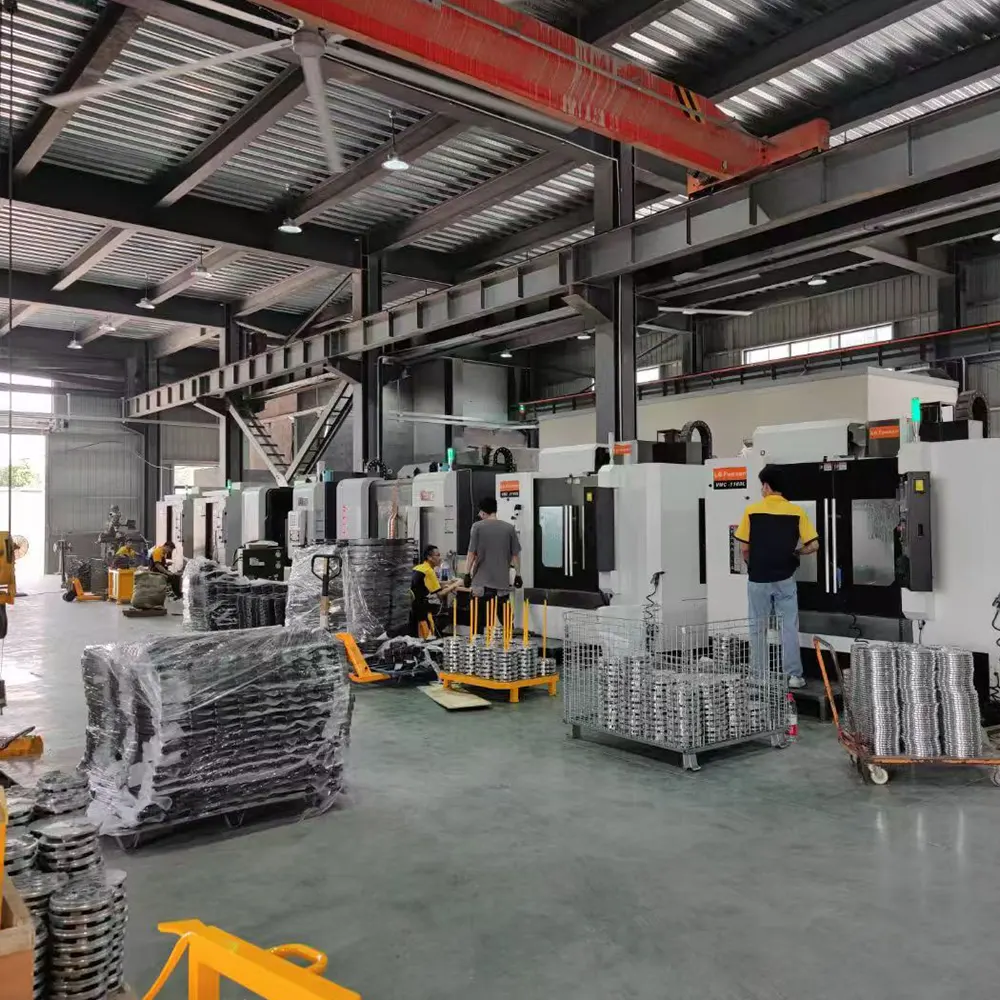
JQ-Fusion, with more than 20 years of industry experience, provides a wide range of HDPE pipe welding solutions, including manual, hydraulic, and CNC automatic equipment. Their manufacturing capability and global support are especially helpful for contractors working across different project scales and environments. For customers seeking dependable equipment and customized options, this kind of supplier support is a major advantage.
Why Quality Control Matters
A successful electrofusion weld depends on consistent process control. The pipe surface must be prepared correctly, the fitting must match the pipe specification, and the welding unit must deliver the proper current and duration. If any one of these factors is wrong, the joint may not meet performance expectations.
Professional manufacturers understand that quality is not only about product design, but also about testing and consistency. In pipeline equipment production, strict inspection of temperature accuracy, pressure stability, and alignment helps ensure that welding results remain stable in real-world conditions.
Remember: a reliable welding system supports reliable infrastructure. That is why certification, manufacturing precision, and technical support matter so much in this industry.
Choosing the Right Equipment Supplier
For contractors and distributors, choosing the right supplier is just as important as choosing the right welding method. A good supplier should provide durable equipment, clear operation guidance, responsive service, and the ability to support special project requirements. OEM and ODM customization can also be valuable when a company needs specific voltage, branding, design, or machine configuration.
JQ-Fusion stands out by offering advanced manufacturing technology, strict quality control, flexible customization, and reliable global support. Their product range includes hydraulic butt fusion welding machines, automatic butt fusion welding machines, electrofusion welding machines, and multi-angle pipe fitting welding machines. Such variety allows customers to match equipment to project needs more effectively.
In modern pipeline construction, fast delivery and stable stock supply can also help prevent costly project delays. That is why experienced buyers often choose suppliers with proven export capability and strong technical backup.
Best Practices for Reliable Welds
To achieve consistent electrofusion results, operators should follow a disciplined workflow every time. Keep the pipe ends clean, use the correct fitting, scrape the surface properly, align the joint carefully, and avoid moving the assembly during the heating and cooling phases. Following manufacturer instructions is essential.
Environmental conditions also matter. Excessive dust, moisture, or extreme temperatures can affect the quality of the weld if they are not managed properly. On-site teams should always check the work area before starting and keep tools and fittings protected from contamination.
Good practice leads to good results: preparation, control, and patience are the foundation of a strong electrofusion joint.
Conclusion
The electrofusion welding process is a highly effective way to create strong, durable, and leak-resistant joints in thermoplastic pipeline systems. By using embedded heating coils inside specialized fittings, it delivers controlled fusion with excellent repeatability. Its advantages include reliable performance, suitability for restricted spaces, and strong traceability for quality management.
For infrastructure projects where long service life and joint integrity are essential, electrofusion remains a smart and practical choice. When supported by quality equipment, proper training, and disciplined installation practices, it can help ensure safe and efficient pipeline operation across a wide range of industries.
FAQs
1. What pipes can be joined with electrofusion welding?
Electrofusion welding is commonly used for HDPE and other thermoplastic pipes, especially in water, gas, and industrial pipeline systems.
2. Is electrofusion welding suitable for repair work?
Yes. It is often used for repairs, branch connections, tie-ins, and situations where access is limited.
3. How long does an electrofusion joint take to complete?
The welding time depends on the fitting size and manufacturer settings, and the joint also requires a cooling period before it can be handled safely.
4. What is the most important step before welding?
Surface preparation is critical. The pipe must be scraped, cleaned, and kept free from contamination before the fitting is welded.
5. How does electrofusion compare with butt fusion?
Electrofusion uses fittings with embedded coils and is ideal for tight spaces and branch work, while butt fusion joins pipe ends directly and is often used for straight pipe runs.



