
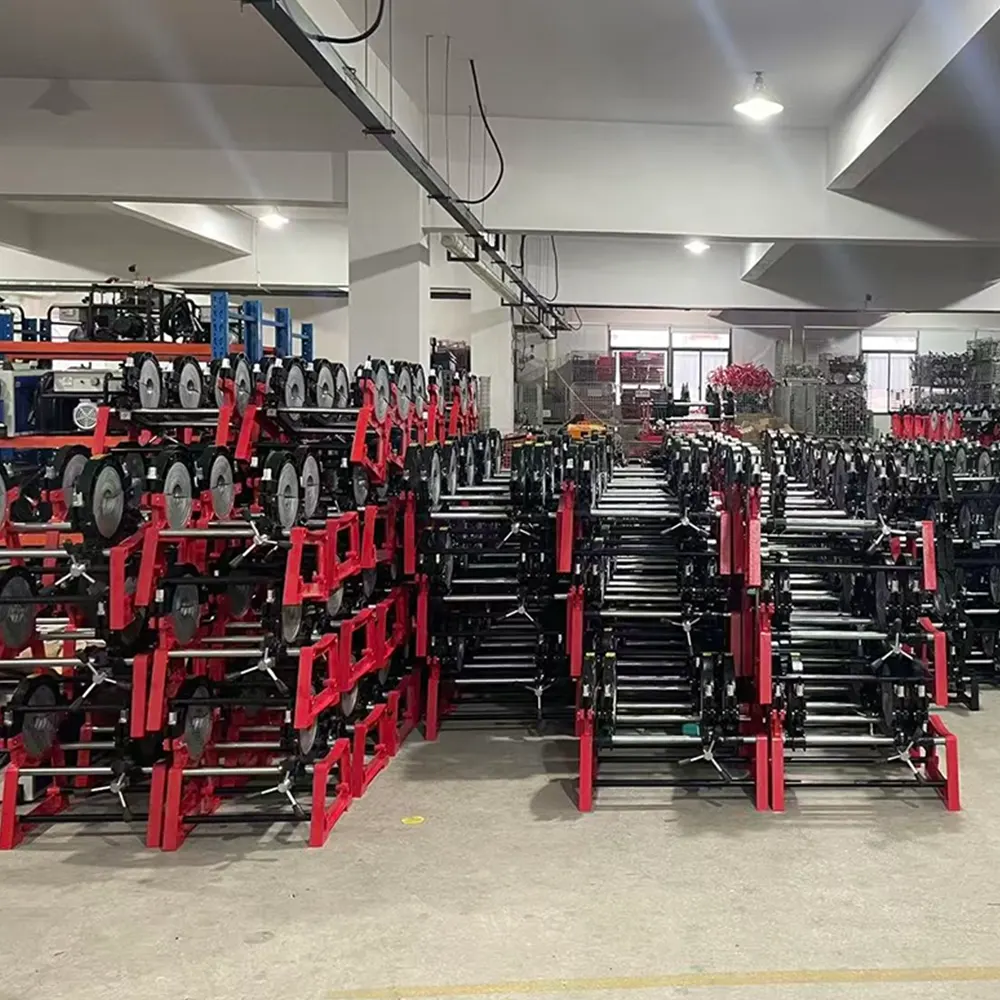
When HDPE pipelines are installed in water supply, gas distribution, mining, and industrial projects, welding quality becomes the foundation of long-term safety and performance. A well-executed fusion joint can deliver decades of reliable service, while poor welding practices can lead to leaks, weak joints, project delays, and costly rework. That is why every contractor, technician, and project manager should understand the most important safety guidelines before beginning any HDPE pipe welding task.
HDPE pipe welding is not only about joining two pipe ends together. It involves precise temperature control, proper alignment, clean working conditions, correct pressure management, and strict operator discipline. Whether you are working with manual equipment, hydraulic systems, or advanced CNC solutions, the same safety principles apply: protect the operator, protect the equipment, and protect the integrity of the pipeline.
For projects that demand stable fusion performance, many teams rely on a dependable butt fusion machine to achieve accurate heating and consistent pressure control. Reliable equipment supports both safety and weld quality, especially when the installation environment is demanding and the pipe sizes vary widely.
1. Understand the Welding Process Before Starting Work
Before any welding begins, operators should have a clear understanding of the HDPE fusion process. Butt fusion welding typically includes clamping the pipe ends, facing them to create smooth surfaces, heating the ends with a controlled hot plate, removing the heater at the correct moment, and joining the molten ends under precise pressure. Each step must be performed in sequence and without shortcuts.
Important: Never allow untrained personnel to operate welding equipment. A lack of process knowledge can result in unsafe handling, poor joint quality, or damage to the pipeline system.
Operators should also be familiar with the pipe specifications, material grade, wall thickness, and diameter range. These factors influence heating time, fusion pressure, and cooling duration. If the wrong parameters are applied, the joint may look acceptable on the surface but fail under real operating conditions.
2. Use Proper Personal Protective Equipment
Safety begins with personal protective equipment, or PPE. HDPE welding involves heated plates, hot pipe surfaces, moving hydraulic components, and sharp pipe edges. Every worker in the welding area should wear the proper protective gear before work starts.
Recommended PPE includes:
• Heat-resistant gloves for handling hot components
• Safety glasses or face shields to protect against splashes and debris
• Safety shoes with anti-slip soles
• Workwear that covers arms and legs
• Hearing protection if the work site is noisy
Loose clothing, jewelry, and any item that could catch in moving parts should be removed before welding. In addition, workers should avoid touching freshly heated pipe ends or plates until the area has cooled to a safe temperature.
3. Inspect the Equipment Before Every Welding Session
Equipment inspection is one of the most overlooked safety steps, yet it is one of the most important. A butt fusion system should be checked before each operation to make sure all mechanical, electrical, and hydraulic parts are functioning correctly.
Pay special attention to the heating plate temperature, hydraulic pressure gauge, clamp alignment, electrical cables, emergency stop function, and facer blade condition. If the machine shows any sign of instability, it should be repaired or replaced before use.
Safety note: Do not continue welding if the hot plate temperature is inconsistent. Temperature fluctuation can create weak fusion layers and increase the chance of joint failure.
Many high-quality systems are designed with stable control features, which makes it easier to maintain safe operation. Choosing equipment from an experienced manufacturer can reduce the risk of hidden faults and improve overall job-site confidence. For example, companies with strong manufacturing capability and strict quality control, such as JQ-Fusion, often provide machines that are tested for temperature accuracy, hydraulic stability, and clamp precision before delivery.
4. Prepare a Clean and Safe Welding Area
Welding area preparation has a direct impact on both safety and joint quality. HDPE pipe ends must be kept clean, dry, and free from dust, oil, mud, and moisture. Contamination on the pipe surface can weaken the bond during fusion and create a joint that is vulnerable to failure.
In addition to surface cleanliness, the work area should be organized and free of unnecessary obstacles. Cables should be managed properly, tools should be placed within reach, and the surrounding area should be clear of flammable materials. If welding is performed outdoors, workers should also consider wind, rain, and uneven ground.
A safe site should include:
• Adequate lighting
• Stable working surface
• Good ventilation
• Clearance around the machine
• Protection from water and dust
When the site is prepared properly, operators can focus on the welding task itself instead of reacting to avoidable hazards.
5. Follow Correct Pipe Handling and Alignment Procedures
Pipe handling is a major safety concern, especially on large-diameter projects. HDPE pipe sections can be heavy, awkward to move, and difficult to align manually. Workers should use suitable lifting tools, support frames, and safe handling methods to prevent strain or injury.
Alignment is equally important. If the pipes are not properly centered in the clamps, the fusion surface may be uneven, creating an irregular joint. Misalignment can also increase mechanical stress and reduce the long-term reliability of the pipeline.
Key point: Never force pipe ends into position using unsafe leverage or excessive manual pressure. Use the machine’s clamping and alignment system correctly.
For large projects with repeated welds, hydraulic and automatic systems can improve consistency and reduce operator fatigue. When the machine provides accurate alignment support, the risk of human error is significantly reduced.
6. Control Heating Temperature and Timing Carefully
Temperature control is one of the most critical elements in HDPE welding safety. If the heating plate is too hot, the material may degrade and lose strength. If it is too cool, the pipe ends may not fuse fully. Both situations can compromise the weld.
Operators should always use the recommended temperature and heating time for the pipe material and diameter being welded. These values may vary depending on project standards, ambient temperature, and the specific machine configuration. Following the manufacturer’s instructions is essential.
Good practice includes preheating the plate properly, verifying the displayed temperature with reliable tools, and avoiding unnecessary delays between heating and fusion. The transition from heating to joining should be controlled and efficient to prevent surface contamination and heat loss.
If you are using professional-grade equipment with stable temperature performance, the process becomes easier to manage. This is one reason many contractors prefer machines from suppliers that offer full technical support and training alongside the equipment.
7. Manage Hydraulic Pressure and Joining Force Safely
In butt fusion welding, pressure plays a major role in forming a durable joint. However, too much pressure can distort the pipe ends, while too little pressure can prevent proper bonding. Operators must follow the correct fusion pressure values and maintain them consistently throughout the joining cycle.
Hydraulic systems should be checked for leaks, unstable readings, and abnormal operation. Pressure gauges must be readable and accurate. If a machine uses automatic control, the operator should still monitor the process and confirm that the system is working within the expected range.
Pressure safety reminders:
• Do not exceed the recommended joining force
• Keep the hydraulic system in good condition
• Monitor pressure during the entire cycle
• Stop work immediately if the gauge behaves abnormally
8. Respect Cooling Time and Do Not Rush the Process
After the fusion stage, the welded joint must remain undisturbed during the cooling period. This step is often rushed on busy job sites, but moving or loading the pipe too early can damage the weld before it reaches full strength.
The cooling time depends on pipe size, wall thickness, and ambient conditions. Operators should follow the recommended waiting period and avoid applying external force, bending, or handling the joint before it is ready.
Do not forget: A joint that is moved during cooling may look intact but develop hidden internal weakness.
Patience during cooling is not just a quality issue. It is also a safety issue because an unstable joint can later fail under pressure, leading to leaks or system shutdowns.
9. Conduct Quality Checks and Record the Weld
Every welding operation should be followed by a visual inspection and, when required, documented quality verification. Operators should check for bead symmetry, surface contamination, alignment accuracy, and any sign of overheating or underheating.
On larger projects, weld records are essential for traceability. These records may include pipe size, machine model, operator name, date, pressure settings, heating temperature, and cooling time. Keeping organized records helps project teams identify issues and maintain consistent standards across the entire installation.
Quality documentation is especially important when working with international standards or certified products. Suppliers that manufacture under strict quality systems and certifications, such as SGS-compliant operations, can provide additional confidence in project reliability.
10. Train Operators and Maintain a Safety Culture
The safest HDPE welding projects are usually the ones supported by strong training and a clear safety culture. Even the best machine cannot fully compensate for poor operator habits. Workers should receive training on equipment use, maintenance routines, emergency response, and fusion standards.
Supervisors should also encourage open reporting of equipment issues and unsafe site conditions. If a machine needs calibration, if a pipe is contaminated, or if weather conditions are unfavorable, the job should be paused until the problem is resolved.
When teams work with reliable machines, good support, and clear procedures, the result is safer installation and stronger long-term performance. This is why many buyers choose manufacturers that provide not only equipment, but also technical guidance, customization, and global after-sales support.
11. Choose Equipment Built for Reliability and Safety
Equipment selection is a major factor in welding safety. A well-built butt fusion system should offer stable clamping, accurate heating, responsive controls, and durable construction. For contractors handling multiple project types, flexibility matters as well. Some jobs require manual machines for simpler site work, while others demand hydraulic or fully automatic systems for precision and productivity.
JQ-Fusion, for example, focuses on HDPE pipe welding machines for different project needs, including manual, hydraulic, and CNC automatic butt fusion solutions. With more than 20 years of industry experience, the company supports water supply systems, gas distribution networks, mining projects, and industrial pipeline installations worldwide. Their product range also includes hydraulic butt fusion welding machine, automatic butt fusion welding machine, electrofusion welding machine, and multi-angle pipe fitting welding machine, giving contractors more options for different installation conditions.
A dependable machine helps reduce operator error, improves fusion consistency, and supports safer project execution from start to finish.
12. Final Safety Checklist for HDPE Pipe Welding
Before starting a welding job, every team should confirm the basic safety requirements. This simple checklist can prevent many common problems and improve the overall success rate of the project.
✔ Operator training completed
✔ PPE worn correctly
✔ Machine inspected and calibrated
✔ Pipe ends cleaned and aligned
✔ Heating and pressure settings verified
✔ Cooling time respected
✔ Weld recorded and inspected
When these steps become part of the daily routine, the installation process becomes more efficient, more repeatable, and far safer for everyone involved.
Frequently Asked Questions
Q1: Why is temperature control so important in HDPE pipe welding?
Temperature control determines whether the pipe ends melt evenly and fuse correctly. If the heating plate is too hot or too cold, the joint may become weak, uneven, or unreliable.
Q2: Can HDPE welding be done safely in outdoor environments?
Yes, but the site must be prepared carefully. Workers should protect the welding area from rain, wind, dust, and uneven ground, and they should confirm that the equipment and pipe ends remain clean and stable.
Q3: What should be checked before using a butt fusion machine?
Before operation, inspect the heating plate, hydraulic system, clamps, cables, alignment, and temperature display. Any unstable or damaged component should be corrected before welding begins.
Q4: Why do workers need to wait for the cooling period?
The cooling period allows the welded joint to stabilize and gain strength. Moving or loading the pipe too early can create hidden weakness and reduce long-term reliability.
Q5: How can project teams improve welding safety on a regular basis?
They can improve safety by using trained operators, maintaining equipment properly, following correct fusion parameters, keeping the workspace organized, and choosing reliable machines with strong technical support.



