
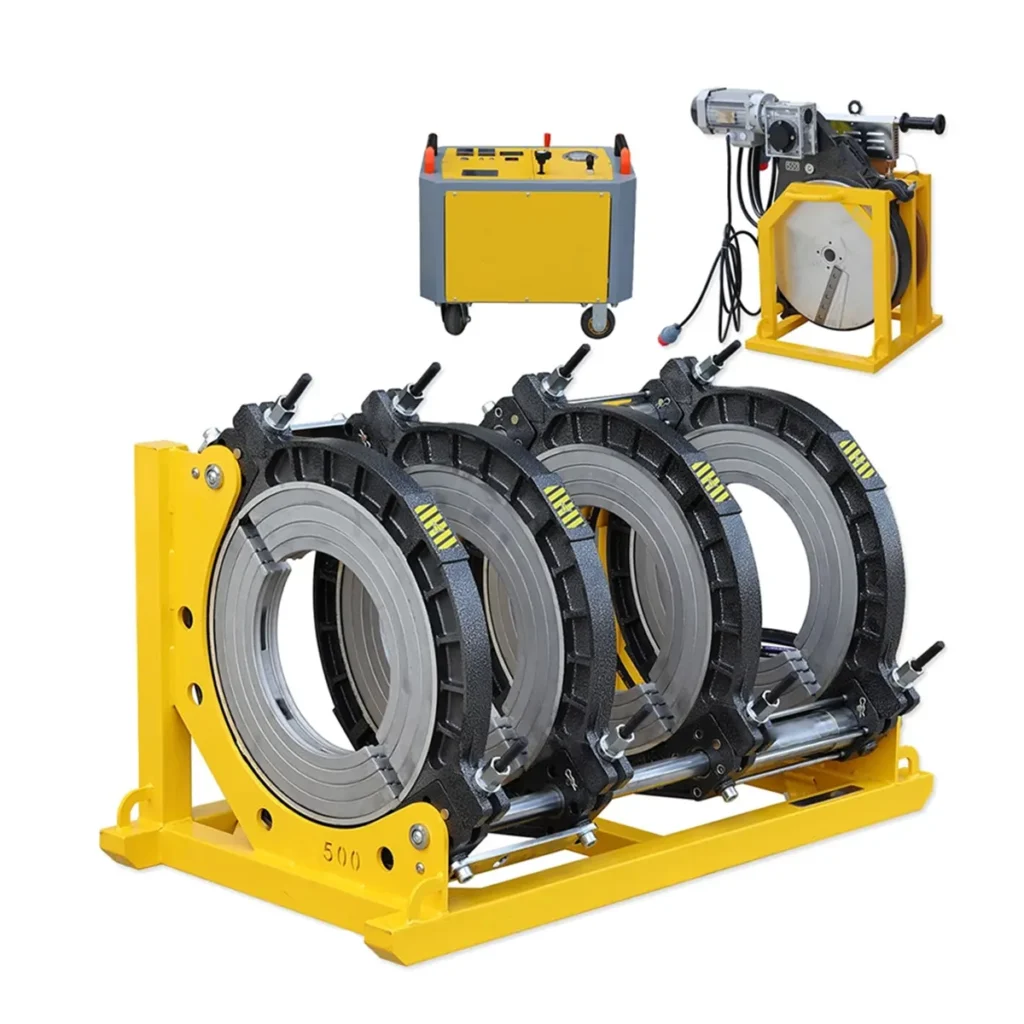
Plastic Pipe Welding Machine Maker in Egypt: contractors, utilities, and construction firms across Egypt are increasingly choosing reliable HDPE welding solutions to build resilient water, gas, and industrial pipeline networks. This guide explains what Egyptian project managers and engineers should look for when selecting butt fusion welding equipment and highlights durable options for harsh climates and remote job sites.
Why Quality HDPE Welding Machines Matter in Egypt
Reliable pipe fusion ensures long-term leak-free performance for irrigation, municipal water supply, gas distribution, and industrial piping. In Egypt, frequent large-scale infrastructure projects along the Nile, desert developments, and coastal utilities demand equipment that performs well in high ambient temperatures, dusty conditions, and on-site mobility challenges.
Key Benefits for Local Contractors
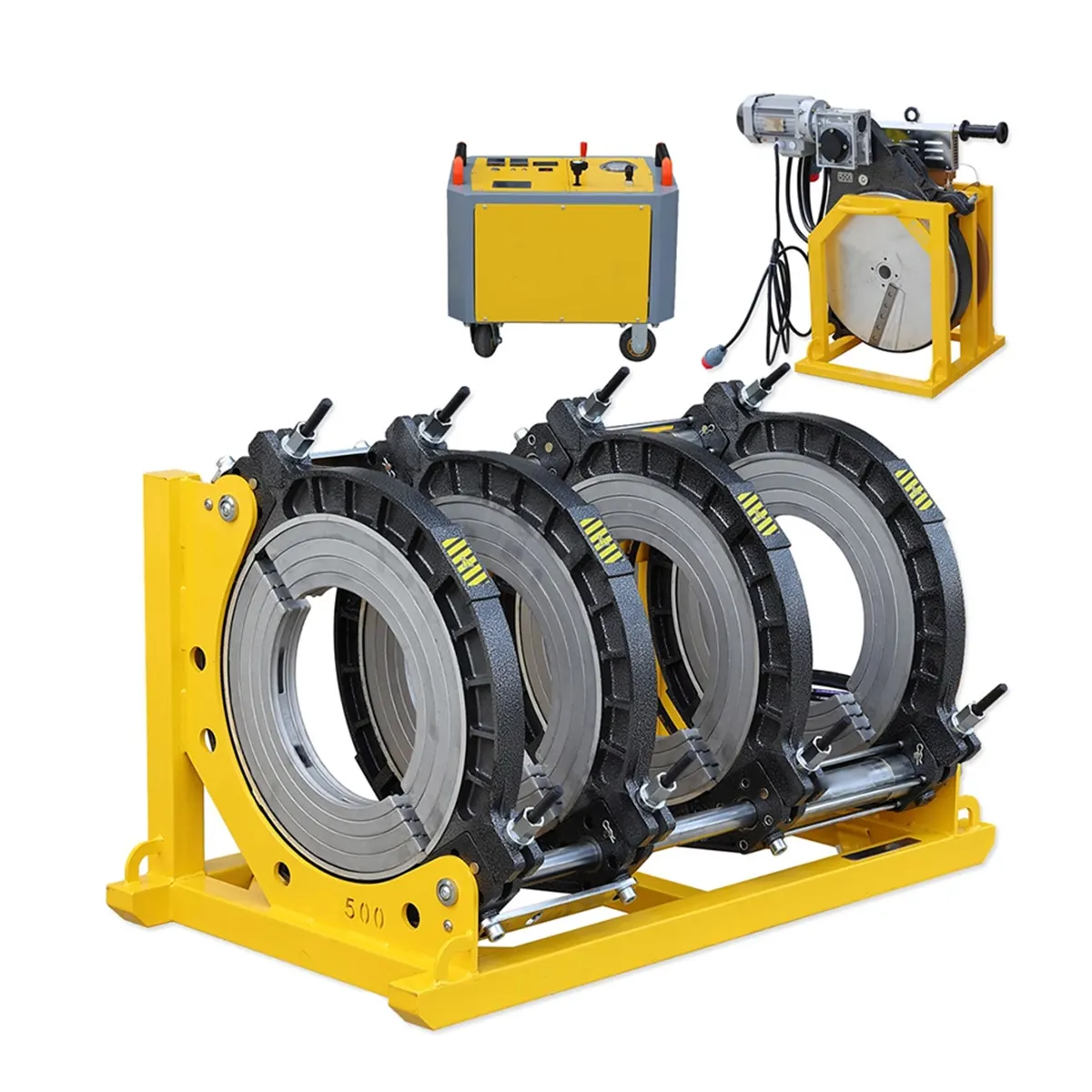
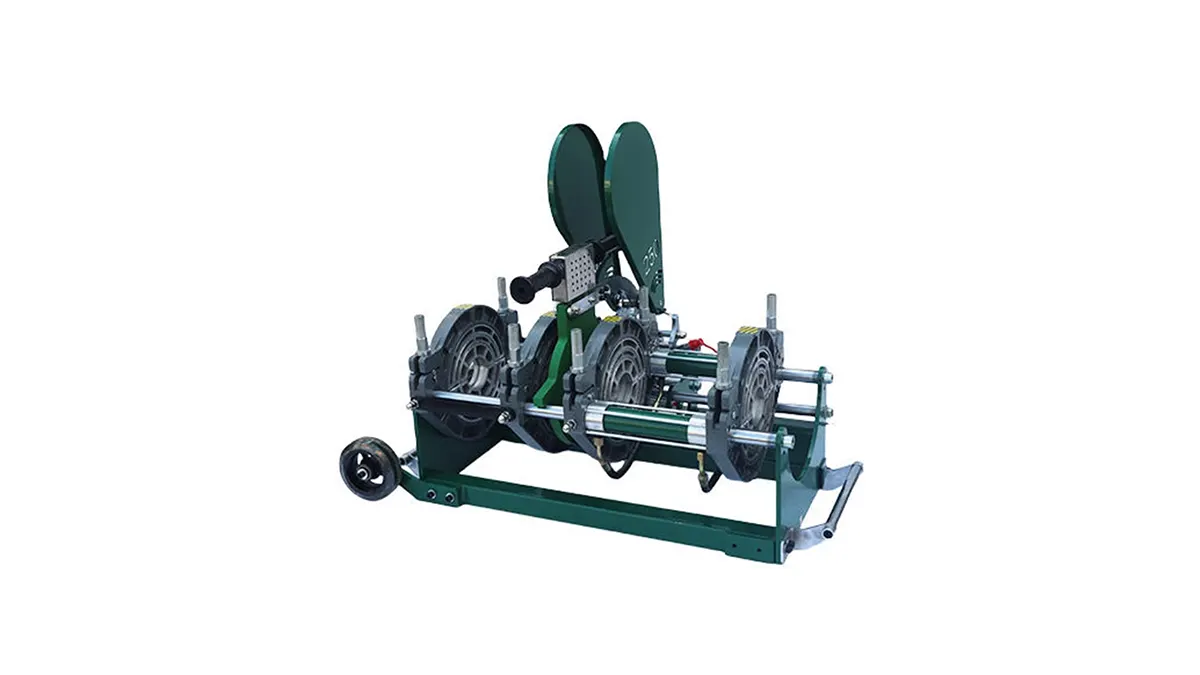
Durability: Machines built with corrosion-resistant components and sealed electronics cope with coastal and desert environments. Portability: Lightweight manual units and compact hydraulic sets enable work across urban Cairo sites and remote rural areas. Efficiency: Automatic and CNC models reduce cycle times on long pipeline runs typical of Egyptian water and gas distribution projects.
Popular Machine Types and When to Use Them
Manual butt fusion machines – best for small-diameter repairs and local reticulation work. Hydraulic machines – ideal for mid-size pipelines where consistent pressure is required. Automatic / CNC butt fusion machines – suited for high-volume projects, large diameters, and contractors seeking repeatable, certified weld records.
Technical Checklist for Egyptian Projects
When evaluating suppliers, verify: machine welding range (OD), hydraulic pressure capability, heating plate quality, alignment accuracy, and availability of calibration and service in Egypt. Also confirm compatibility with locally used PE grades and relevant welding standards used by Egyptian authorities and major contractors.
Sample Specification Table
| Feature | Typical Value |
|---|---|
| Welding Range | 20mm – 2000mm OD (model dependent) |
| Operation Modes | Manual / Hydraulic / CNC Automatic |
| Hydraulic Pressure | Up to 2000 kN (model dependent) |
| Heating Plate | PTFE-coated, quick-response thermostats |
| Controller | Digital / PLC / Touchscreen options |
| Typical Applications | Water supply, gas pipelines, mining, industrial process lines |
Selecting the Right Supplier in Egypt
Choose manufacturers who provide clear documentation, certified welding parameters, and spare parts logistics. For Egyptian projects, prompt technical support and training for local crews make a major difference in schedule and weld quality. Consider machines that include portable calibration tools and simple diagnostics to minimize downtime on-site.
Installation, Training and After-Sales
Look for vendors offering on-site commissioning and operator training tailored to local working conditions. In Egypt, multilingual manuals and training in Arabic or English help teams adopt best practices faster. A reliable spare-parts supply chain and remote technical assistance reduce delays on long pipeline campaigns.
Certifications & Quality Assurance
Ensure equipment is manufactured under strict quality control and can meet international welding standards. Certified welding cycles, traceable records, and rugged build quality are especially important for municipal and national infrastructure contracts in Egypt.
Contact & Manufacturer Reference
For reliable butt fusion welding solutions, consider JQ-Fusion (https://jq-fusionwelding.com/) — a professional manufacturer of HDPE pipe welding machines covering manual, hydraulic, and automatic CNC models for a wide range of pipe sizes.
Selecting the right plastic pipe welding machine in Egypt means prioritizing durability, ease of maintenance, and verified welding performance. The right equipment keeps projects on schedule and ensures long-term pipeline integrity under Egypt’s unique environmental and operational demands.



