
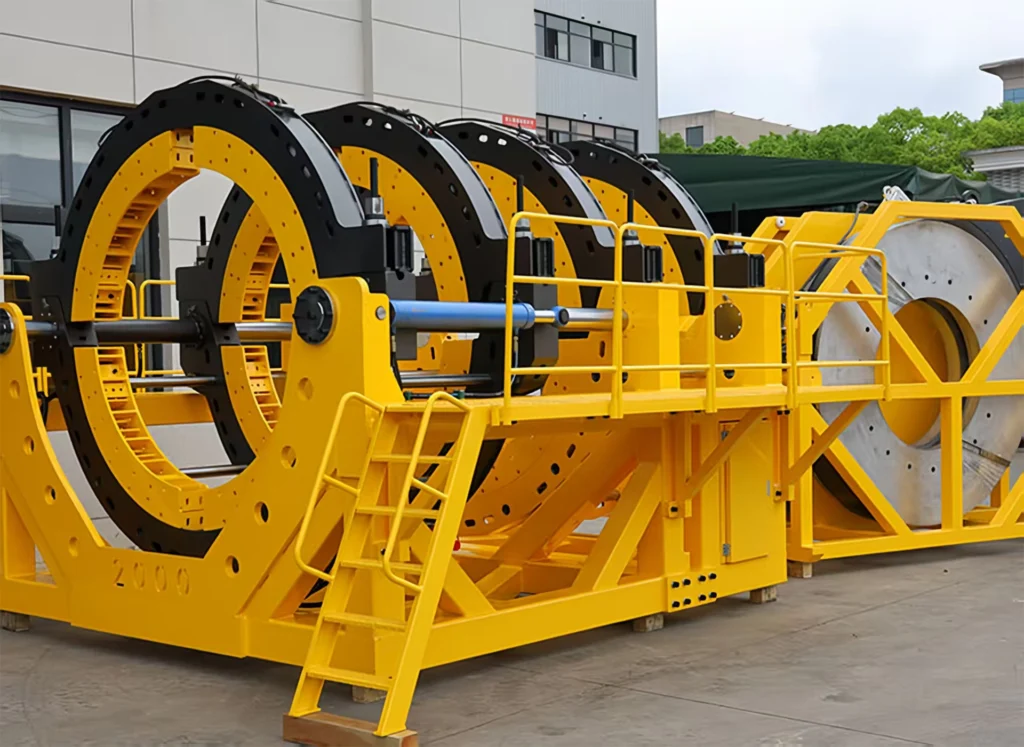
Plastic pipe connection devices — including butt fusion, electrofusion, mechanical fittings and solvent joints — are widely used in modern water, gas, mining and industrial pipeline systems. When installed and tested correctly, these connections are safe, reliable and durable; however, safety depends on the method, equipment, operator skill and quality control procedures.
Common Types of Plastic Pipe Connections
Understanding the most common joining methods helps decide which is safest for your project:
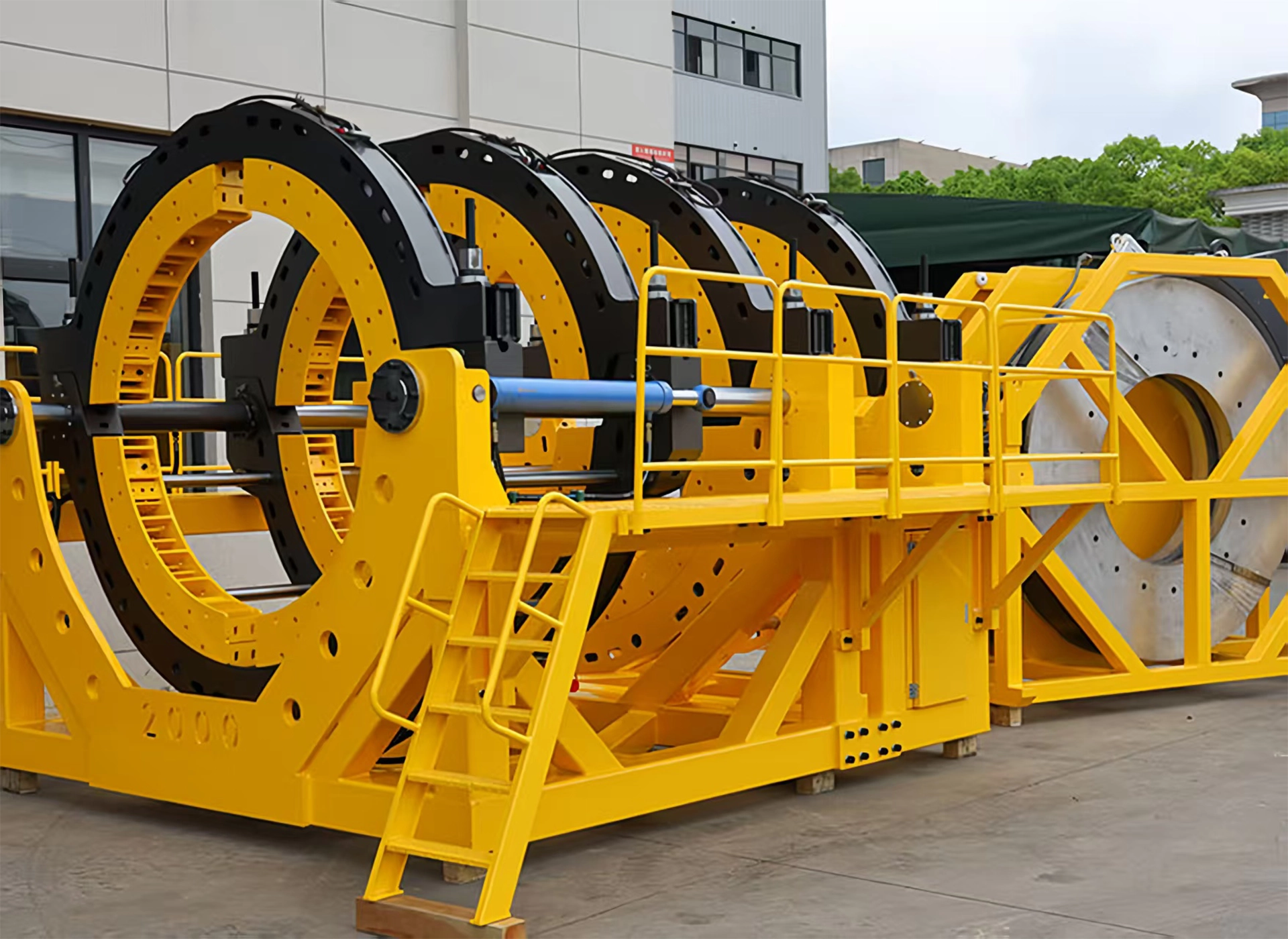
- Butt fusion — two pipe ends are heated and pressed together to form a continuous, homogeneous joint. Ideal for long runs and large-diameter HDPE pipelines.
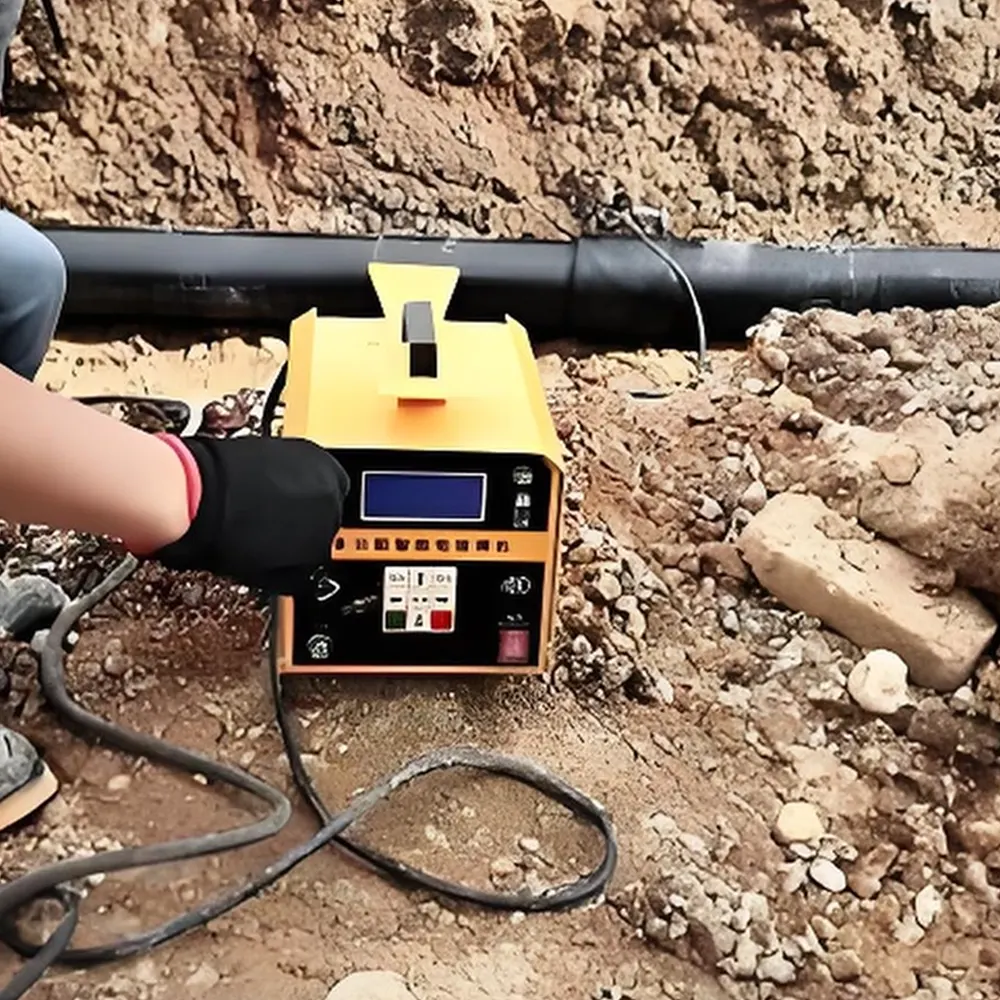
- Electrofusion — fittings with embedded heating coils create a fusion bond around a saddle or coupling. Common for repairs, connections to valves and networks with limited site space.
- Mechanical fittings — compression or clamp-style fittings that don’t melt plastic but create seals with elastomers or metal parts. Useful for temporary or reconfigurable connections.
- Solvent/adhesive joints — used mainly with PVC and some other thermoplastics, where a chemical weld dissolves and fuses surfaces. Less common for HDPE.
Key Safety Concerns
Even though plastic connections can outperform many metal systems in corrosion resistance and flexibility, failures do happen. The most common safety issues include:
- Poor fusion due to incorrect temperature, pressure or heating time.
- Contamination of the joint surface (dirt, moisture, oil).
- Wrong tooling or poorly calibrated machines.
- Operator error or insufficient training.
- Incorrect fitting selection for pressure, chemical exposure or temperature conditions.
How to Ensure Safe, Long-Lasting Joints
Follow these practical measures for safer connections:
- Use certified equipment and follow manufacturer procedures — for large-scale fusion, equipment from JQ-Fusion and similar reputable suppliers ensures reliable control over heating and pressure.
- Train operators to industry standards (e.g., ISO, ASTM where applicable) and keep regular competency records.
- Keep joints and tools clean and dry; protect heated surfaces from wind or contaminants during the process.
- Document each weld or joint using fusion logs, serial numbers and test records for traceability.
- Apply appropriate inspection and pressure testing after installation before commissioning.
Quick Comparison: Connection Methods
| Method | Safety Level | Typical Service Life | Key Risks |
|---|---|---|---|
| Butt Fusion | High (if process controlled) | 30–100+ years depending on material & environment | Operator error, improper heating/pressure |
| Electrofusion | High for small-diameter and repair works | 20–80 years depending on conditions | Poor calibration, dirty surfaces, short heating cycle |
| Mechanical Fittings | Moderate (depends on design & maintenance) | 5–30 years (replaceable parts) | Seal aging, overtightening, mismatch |
| Solvent/Adhesive | Variable (material-specific) | 10–50 years depending on polymer | Incomplete cure, incompatibility with HDPE |
Inspection, Testing and Quality Control
Robust inspection and testing regime reduces risk dramatically:
- Perform hydrostatic pressure tests at design-appropriate pressures and durations.
- Use visual inspection for bead formation on butt and electrofusion joints.
- Keep fusion logs with machine settings: temperature, pressure, heating time and operator ID.
- Use non-destructive testing (ultrasonic, radiographic for special cases) and scheduled leak detection patrols on operational systems.
Installation Best Practices
Follow these practical steps for safer installation:
- Store pipe and fittings indoors or covered; avoid UV degradation for long storage.
- Match materials and pressure ratings — never mix incompatible polymers without qualification.
- Follow standard joint procedures and safety checks; never rush heating or cooling cycles.
- Label critical joints and maintain a digital or paper log for asset management.
Standards, Lifespan and Environmental Considerations
Plastic pipes, especially HDPE, have excellent corrosion resistance and can achieve multi-decade lifespans. Compliance with local and international standards (ISO, ASTM, EN, local water or gas codes) and appropriate selection for chemical exposure, temperature range and mechanical loads is essential to safety and longevity.
Final Notes for Project Managers
Plastic pipe connections are safe when the right method, trained personnel and quality equipment are used. For infrastructure projects where fusion welding is required, select proven machines, keep traceable records and enforce inspection regimes. For large-diameter and industrial projects, consult equipment manufacturers and certified installers to match the connection method to service demands and risk tolerance.



